CVS in 2026, why people are suddenly searching it again
CVS is not exactly a niche search term. People type it in because they need something practical, fast: a prescription refill, a vaccine appointment, a nearby pharmacy, or a way to speak to someone who can fix a problem. But in 2026, that everyday intent is colliding with a more complicated reality. The headlines and community chatter are not about a shiny new product launch. They are about access, and in some places, the lack of it.
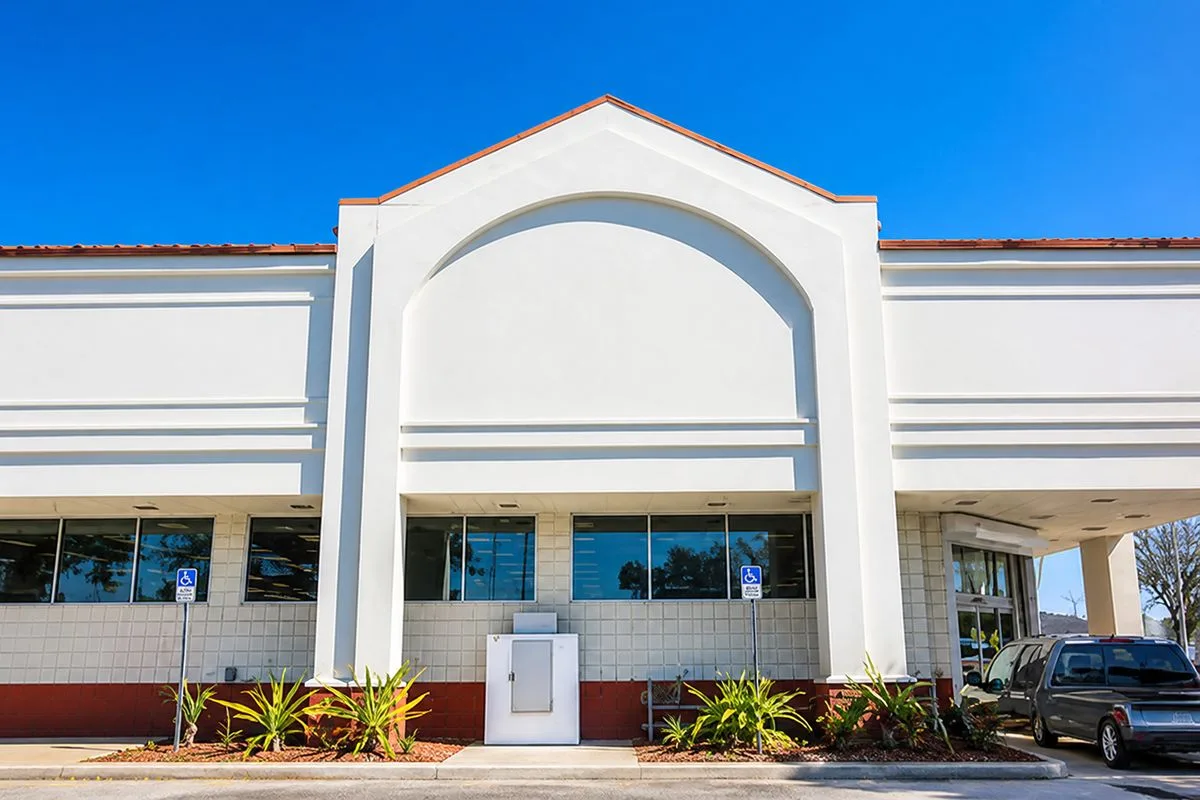
The clearest flashpoint in the source material is local but telling: a community post about an El Camino CVS in Sunnyvale closing on 2 June 2026. Shelves emptying quickly, signage on the door, and a sense of resignation from locals who rely on that branch. Alongside that, there is a longer running complaint that CVS “doesn’t allow phone calls anymore”, a claim that has circulated in healthcare communities for years and still pops up because it speaks to a real frustration: when something goes wrong, customers want a human being, not a maze.
Put those together and a pattern emerges. CVS is still very much present, still pushing online refills, transfers, deals, and appointment scheduling. But the experience is increasingly shaped by consolidation and digital-first design. For some customers, that is convenient. For others, it is a barrier. And that tension is the story.
The 2026 development, a CVS store closure and the ripple effect
The most concrete event in the provided material is the reported closure of the El Camino CVS in Sunnyvale, discussed in a local community thread dated 4 May 2026. The post says the store is closing on 2 June 2026, and notes that shelves are already emptying. There are no corporate statements included in the source material, no explanation of lease terms, footfall, staffing, or profitability. But the on-the-ground detail matters because it captures what closures feel like in real life: not a line item, but a disruption.
It is also a reminder that “CVS” is not one uniform experience. In one postcode, it is a short walk. In another, it becomes a drive, a bus journey, or a dependency on delivery. And when a branch closes, the pressure does not disappear. It shifts to neighbouring stores, to mail order, to other chains, or to independent pharmacies. That can mean longer waits, more crowded counters, and a higher chance that something simple becomes a hassle.
There is a second, less tidy development that keeps resurfacing: complaints about difficulty reaching CVS by phone. The source material includes a healthcare community discussion from 23 August 2024 alleging CVS intends there to be “no way for a patient to speak to a human immediately”, and that staff are directed not to transfer calls. This is not a verified corporate policy in the material provided, and it is important not to overstate it. But it is relevant because it reflects a persistent perception: that CVS is harder to contact than it used to be, particularly when a prescription issue is urgent.
In 2026, those two threads, physical closures and perceived communication barriers, reinforce each other. If the nearest store is further away, the ability to resolve issues remotely becomes more important. And if remote access feels blocked, frustration spikes. That is why a single closure post can become a wider conversation about what CVS is becoming.
What CVS is offering right now, online pharmacy, vaccines, and convenience tools
CVS positions itself as an “online drugstore” as well as a bricks-and-mortar pharmacy. The source material highlights the core pillars customers are pushed towards: refill and transfer prescriptions online, find a CVS Pharmacy near you, shop online, and locate MinuteClinic services. It also points to a dedicated flow for scheduling vaccine appointments online, with the option to book in the way “most convenient”, including by phone via the main customer number listed in the material.
That matters because it shows the direction of travel. CVS is not merely tolerating digital tools, it is organising the customer journey around them. For many people, that is a win. Online refills reduce queueing. Vaccine scheduling avoids guesswork. Store finders help when travelling or when a local branch shuts. And for routine needs, a digital-first approach can be smoother than the old model of repeated calls and hold music.

But convenience is not evenly distributed. Digital systems work best when the problem is predictable: a standard refill, a straightforward booking, a simple transfer. They work less well when the issue is messy: a prescription that needs clarification, an insurance snag, a medication out of stock, a patient who cannot easily navigate apps, or a carer trying to coordinate care for someone else. In those moments, the ability to reach a person quickly is not a luxury. It is the difference between a delay and a resolution.
And there is another subtle point here. CVS is a brand people search because it is ubiquitous. The Yelp listing in the material, for example, shows a specific branch in San Jose, California with an address and phone number. That is how customers think about CVS: as a network of local nodes. When nodes close, or when contact feels harder, the brand promise of “nearby and accessible” gets tested.
CVS Health, the bigger organisation behind the pharmacy counter
It is easy to talk about CVS as if it is just a shop with a pharmacy at the back. But the source material points to the broader identity: CVS Health describes itself as a “leading health solutions company” that aims to “reach more people and improve the health of communities”. That language is corporate, sure. But it also signals that CVS sees itself as part of the healthcare delivery system, not merely retail.
This matters when interpreting closures and service changes. A company that thinks of itself as a health solutions platform will naturally invest in scalable systems: centralised scheduling, online prescription management, standardised workflows, and a push towards self-service. Those systems can improve consistency and reduce costs. They can also, if handled poorly, make customers feel like they are being processed rather than cared for.
CVS also maintains a huge social presence, with the source material noting a Facebook page with 2,250,433 followers, plus active discussion. That number does not tell the whole story, but it does show scale. A brand with that reach is constantly balancing two pressures: keep the service simple enough to operate at volume, and keep it human enough that people trust it with their health. That is a hard line to walk, especially when staffing is tight and demand is high.
And then there is the community layer. The existence of a dedicated CVS subreddit, plus recurring threads about phone access and store operations, is a signal in itself. People do not create ongoing forums for brands that feel frictionless. They do it when the brand is central to daily life and occasionally maddening. CVS is both.
CVS closures and “no phone calls”, what it means for patients and the pharmacy industry
Start with the closure in Sunnyvale. One store shutting is not, on its own, proof of a national strategy. The source material does not provide a corporate rationale or a wider list of closures. But it does illustrate a broader industry reality: pharmacies are under pressure to rationalise footprints, manage labour costs, and steer customers into lower-cost channels. When a branch closes, the immediate impact is practical: longer travel times, disrupted routines, and a scramble to transfer prescriptions.
Now add the communication issue. The healthcare community discussion from 2024 claims CVS intends to prevent immediate access to a human by phone. Again, the material does not include CVS confirmation, so it cannot be treated as settled fact. But the persistence of the complaint suggests something important: customers and clinicians feel that the system is not designed around exceptions. And healthcare is basically made of exceptions. People lose medication. Doctors change dosages. Insurance rejects a claim. A patient is discharged from hospital late on a Friday and needs a prescription sorted now, not after a series of automated prompts.
For the industry, this is the tension between efficiency and resilience. Digital-first systems are efficient when everything goes to plan. Resilience is what you need when it does not. Pharmacies that get this right tend to offer multiple routes to resolution: online tools for routine tasks, plus reliable escalation paths for urgent or complex cases. If customers believe escalation paths are blocked, trust erodes quickly.
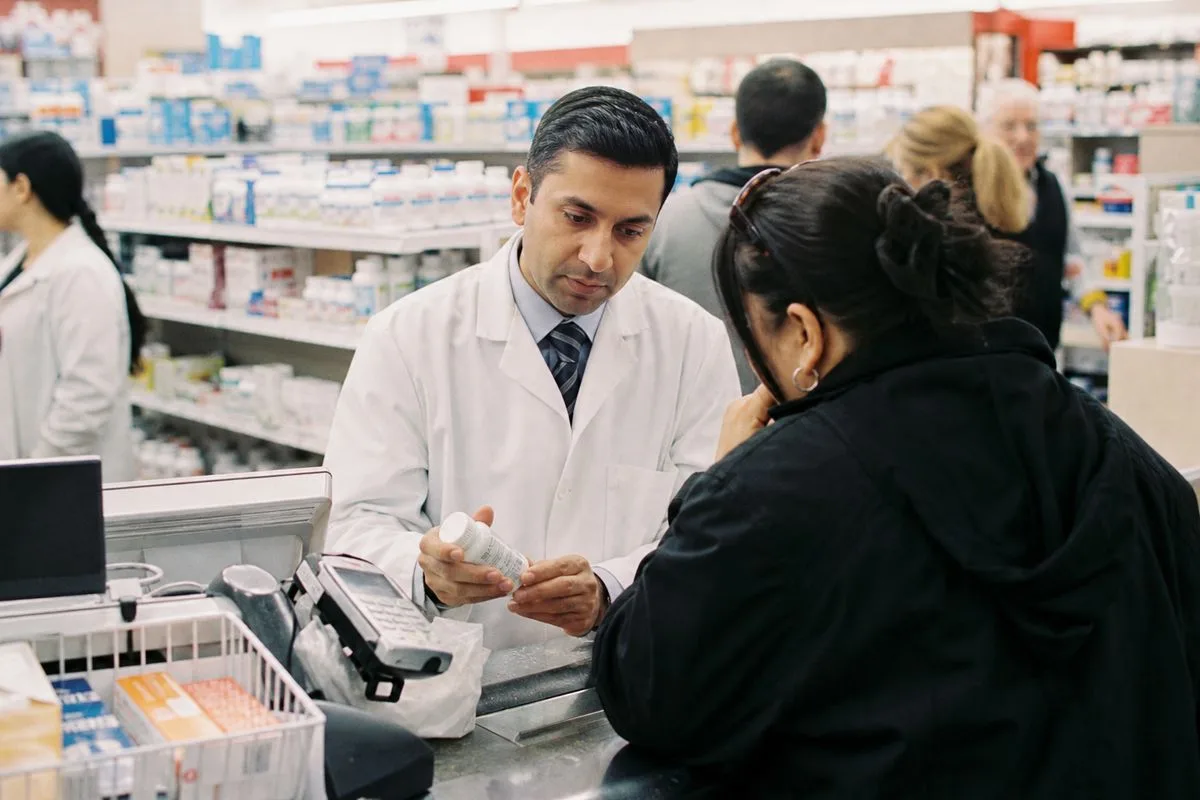
There is also a competitive angle. When CVS becomes harder to reach or less physically present in a neighbourhood, alternatives become more attractive. That might be another chain, a supermarket pharmacy, or an independent. It might be mail order. But the key point is that loyalty in pharmacy is often less about brand love and more about reliability. People stick with what works. The moment it stops working, they move, even if they would rather not.
How customers are adapting, and what to do if a CVS closes nearby
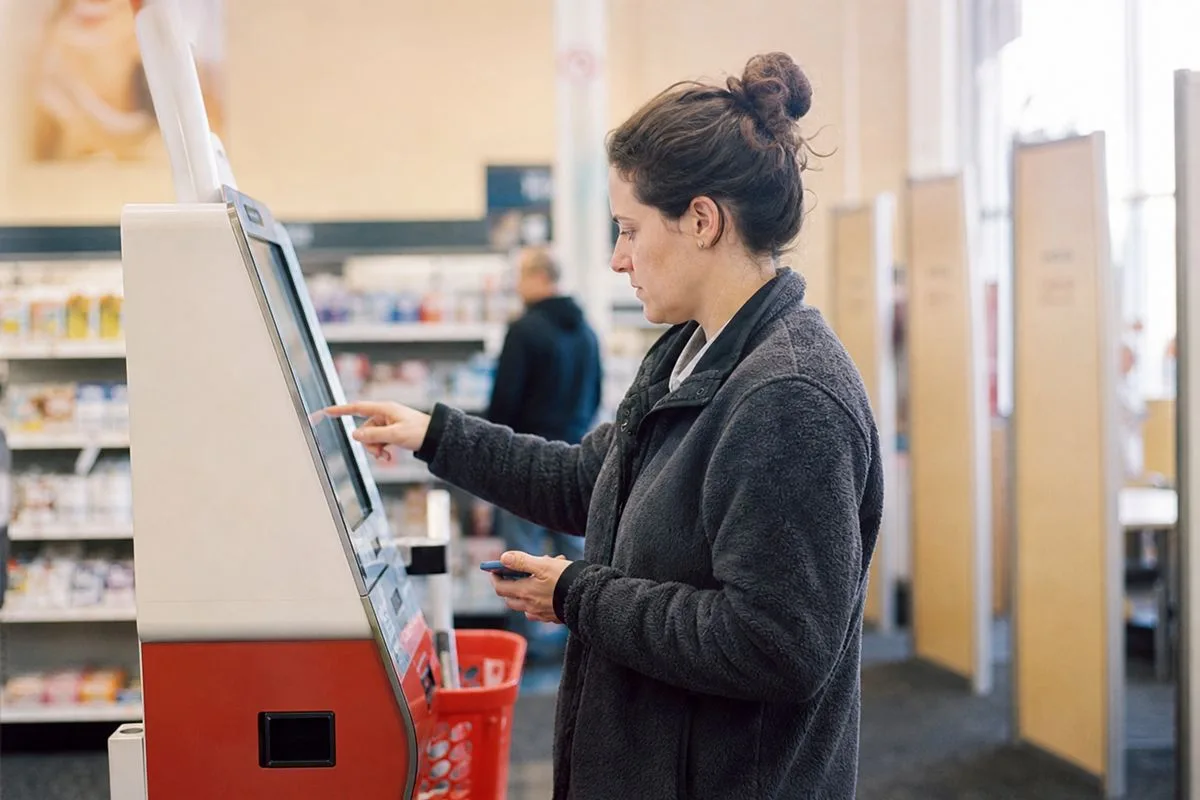
When a CVS store closes, customers typically do three things: they transfer prescriptions to another CVS, they transfer to a different pharmacy, or they shift some portion of their needs online. The source material explicitly highlights online refills and transfers, which suggests CVS expects customers to use those tools rather than relying on in-store assistance. For a confident digital user, that can be fine. For someone juggling multiple medications, or caring for an elderly relative, it can be stressful.
Practical adaptation often comes down to information. Customers need to know where the next nearest CVS Pharmacy is, whether it can handle the same services, and how to schedule appointments, including vaccines. The material indicates that CVS offers online vaccine scheduling and also provides a phone number for booking. That dual channel is important, at least in theory, because it gives people options. The problem, as community discussions suggest, is whether those options feel usable in practice when the issue is urgent.
There is also a behavioural shift happening. People increasingly treat pharmacies like logistics providers. They want predictable fulfilment, clear status updates, and minimal friction. That is why online tools are attractive. But it is also why communication failures sting. If a delivery is delayed, you want a tracking update. If a prescription is delayed, you want a person who can explain why and what happens next. The emotional stakes are higher.
And yes, communities fill the gaps. A local thread about a closure becomes a crowdsourced help desk: which branch is least chaotic, how early to arrive, whether shelves are being cleared, what to expect. That is not a replacement for official communication, but it is a sign of how customers cope when they feel they are not being told enough.
What’s Next
In the near term, expect the CVS experience to keep splitting into two tracks. Routine care becomes more digital, more scheduled, more self-managed. That includes refills, transfers, and vaccine bookings, all of which CVS already pushes through online pathways. For many customers, that will be genuinely better. Less time on hold, fewer wasted trips, more control. Fair enough.
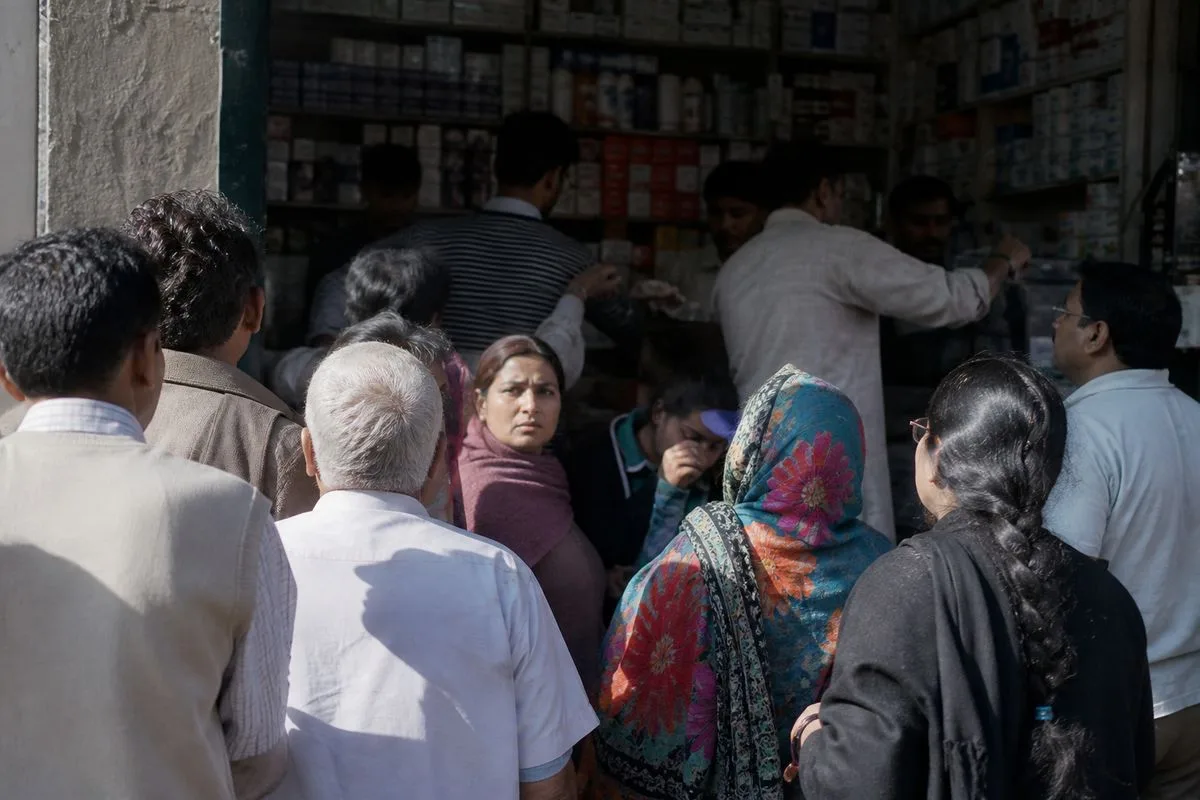
But the second track, the messy human track, is where CVS will be judged. If more stores close in specific areas, the remaining branches will carry heavier loads. That makes staffing and communication even more critical. The company does not need to abandon automation, but it does need credible escalation routes. Otherwise the perception that “you cannot reach anyone” becomes sticky, and once that narrative takes hold, it is hard to shake.
There is also a reputational risk that is easy to underestimate. CVS Health frames itself as improving community health. Store closures and access friction can be read, fairly or not, as retreat. The company can counter that by showing how care is being reorganised, not simply reduced, for example by pointing customers clearly to alternative locations, strengthening appointment availability, and making transfers painless. The source material does not provide detail on how CVS is handling that in Sunnyvale. That absence is part of the problem. In 2026, silence gets filled by speculation.
Closing thoughts, CVS is still everywhere, but access is the real story
CVS remains a giant in everyday healthcare, and the basics are still there: pharmacies, online refills, vaccine scheduling, and a sprawling footprint that makes it a default option for millions. The brand’s own messaging is built around convenience and community health, and its scale is obvious, even down to social followings in the millions.
But the 2026 conversation is not really about branding. It is about whether people can get what they need when they need it. A store closure in Sunnyvale, dated and specific, brings that into focus. So do recurring complaints about phone access, even if those complaints are not backed by formal policy statements in the material provided. Together they point to the same underlying issue: healthcare retail is being redesigned around efficiency, and customers are testing where the new system bends, and where it breaks.
If CVS wants to keep being the first search result in people’s minds, it has to keep being the easiest answer in real life. Not just for the straightforward stuff, but for the complicated moments too. That is the bar now. And it is a big deal.