McDonald’s leans into Halloween nostalgia with a Disney Villains twist
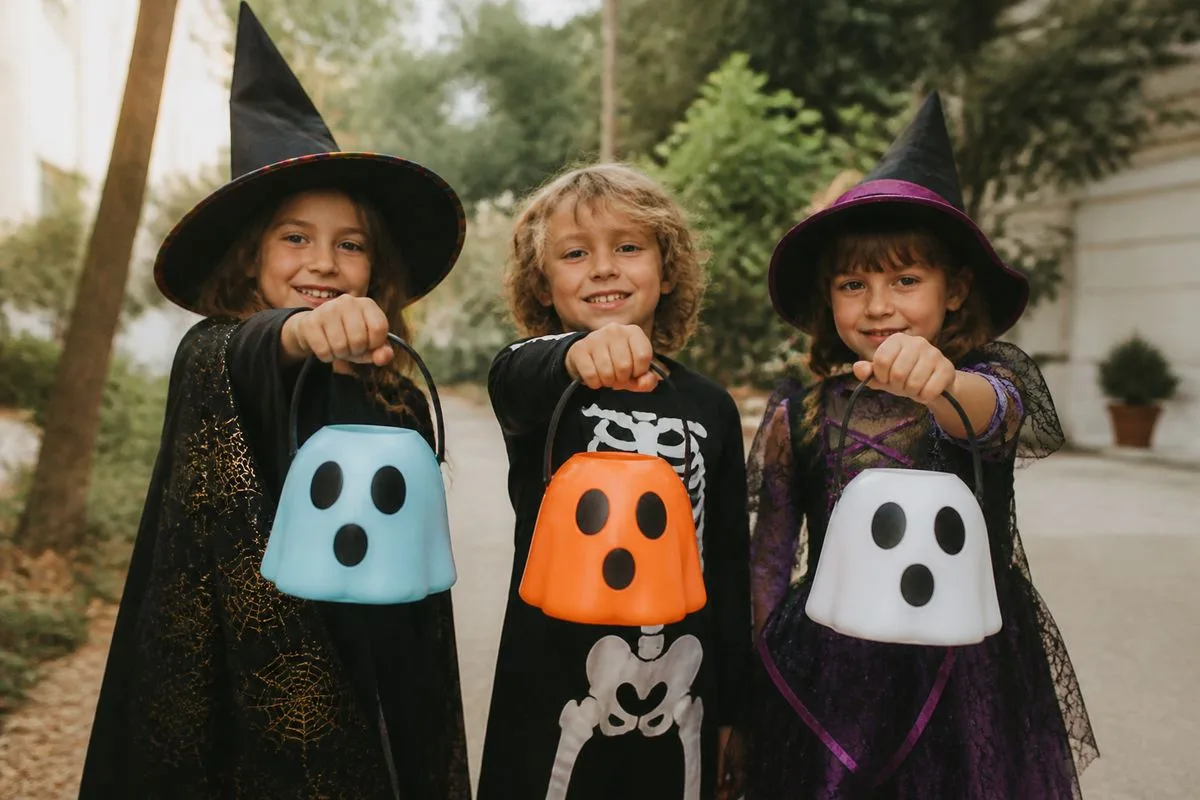
McDonald’s is back in the Halloween business, again, and it is doing it in the most McDonald’s way possible: by turning a kids’ add on into a full blown collector moment. From 20 October 2026, the chain starts selling Disney Villains Boo Buckets as part of its Happy Meal line up, bringing five new designs to restaurants for a limited time, while supplies last. And yes, it is exactly the sort of thing that makes adults who grew up in the 1990s suddenly remember the smell of fries and the thrill of getting the “right” bucket.
This year’s hook is simple and smart. Instead of reworking the classic pumpkin, ghost, and witch shapes yet again, McDonald’s partners with Disney and goes straight for recognisable characters: Jafar, Cruella, Scar, Ursula, and Maleficent. It is a neat bit of brand maths. Disney Villains have cross generational appeal, they are visually bold, and they fit Halloween without needing much explanation. Put them on a plastic bucket with a lid, add stickers, and you have something that feels like a toy, a prop, and a keepsake all at once.
There is also a bigger story here than five bits of plastic. McDonald’s is using seasonal merchandise to keep the Happy Meal culturally relevant in a world where parents are more selective, kids have more entertainment options, and grown ups are increasingly willing to buy “kids’ stuff” for themselves (fair enough, nostalgia is powerful). Boo Buckets are not just a Halloween extra anymore. They are a marketing event.
What’s new in 2026: Disney Villains Boo Buckets, release date, and designs
The key detail for anyone searching for the practical information is the start date. McDonald’s begins offering the Disney Villains Boo Buckets Happy Meal on Tuesday, 20 October 2026. Availability is limited time only, and the company frames it clearly as “while supplies last”. In other words, this is not a month long guaranteed run, it is a seasonal drop. Some locations will run out faster than others, and the most popular designs can disappear early.
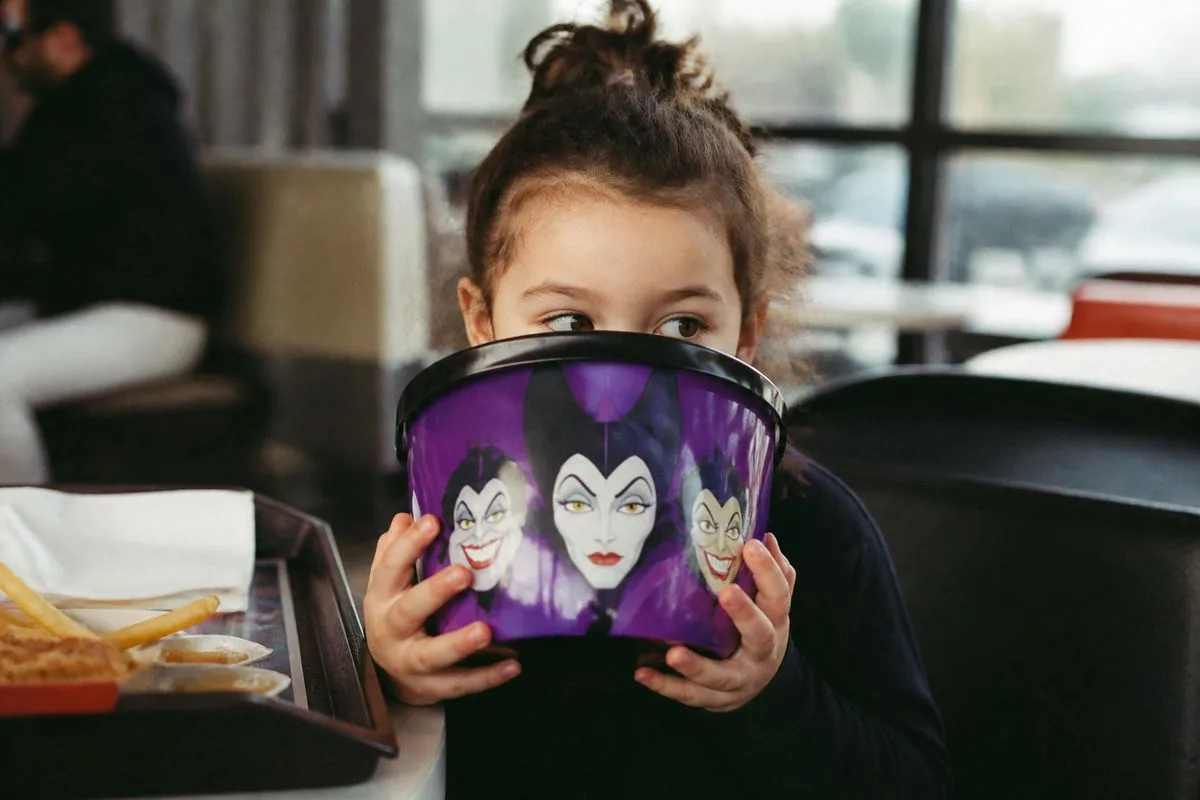
McDonald’s and Disney create five collectible buckets for the 2026 Halloween season. The characters are: Jafar, Cruella, Scar, Ursula, and Maleficent. According to the product description shared in the coverage, the buckets come with villain inspired lids and stickers featuring “iconic characters and details true fans will recognise”. That sticker element matters more than it sounds. It turns the bucket into something customisable, and it gives McDonald’s a way to make the product feel richer without changing the basic manufacturing format.
McDonald’s messaging also positions each villain as a different “type” of fan identity, from “fabulous flair” to “mystical magic” and “sea witch swagger”. That is marketing copy, sure, but it signals the intent: these are not generic Halloween pails. They are personality coded collectibles. And that is exactly how modern fast food promotions work, they are designed to be photographed, compared, swapped, and posted.
One thing the source material does not provide is pricing, regional availability beyond “local restaurant”, or whether the buckets can be purchased without a Happy Meal. McDonald’s often varies these details by market and franchise, so it is worth noting the absence rather than guessing. The only confirmed facts here are the date, the limited run, and the five designs.
Why McDonald’s Boo Buckets matter, and why they keep coming back
Boo Buckets are not new. They first appear in 1986, then become a genuine phenomenon in the 1990s, when kids routinely persuade parents to stop at McDonald’s partly for the bucket itself. That is the important historical context: Boo Buckets are one of the rare fast food items that live in memory as an object, not just a meal. People remember the shape, the colours, the lid, and the feeling of carrying it around on Halloween. That is brand equity you cannot easily manufacture from scratch.
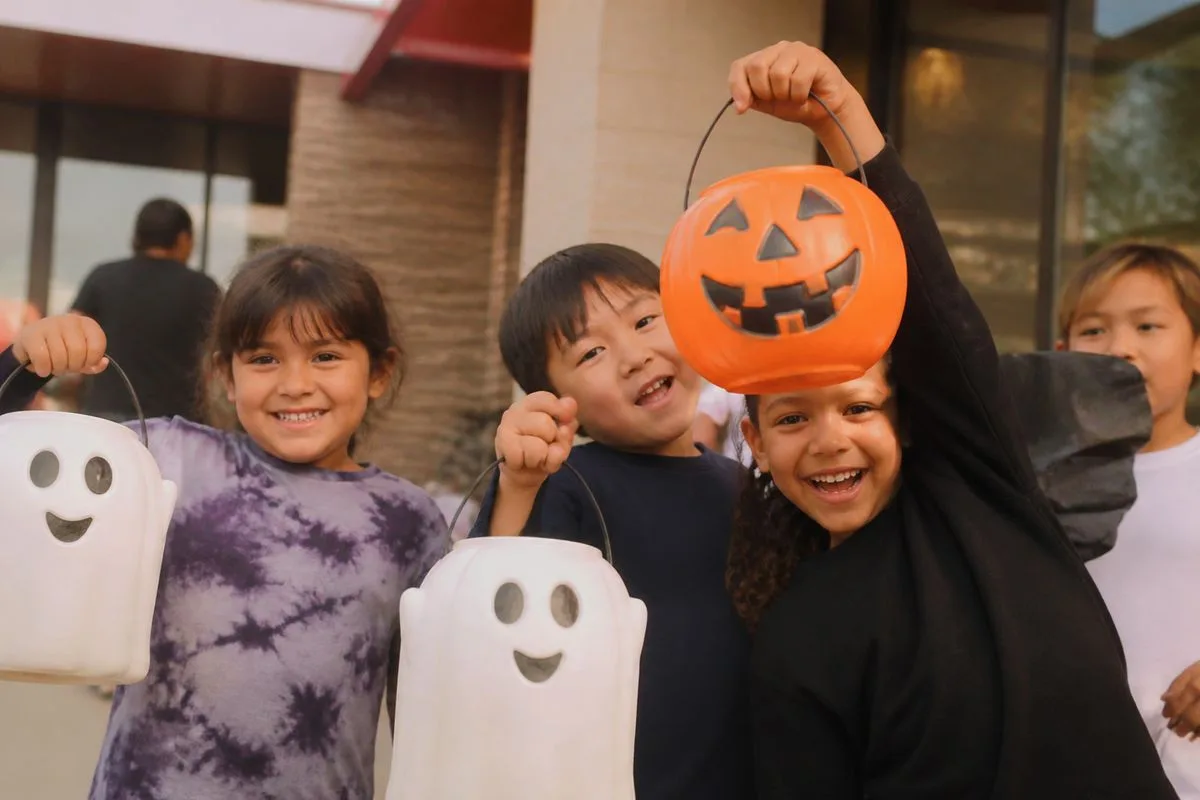
The designs evolve over time. Early versions begin as a trio of orange only designs, then later shift into ghost themed variations. In the modern era, McDonald’s treats Boo Buckets as a recurring seasonal platform, not a fixed product. The company brings them back in 2022 with updated witch, pumpkin, and ghost designs, then follows in 2023 with four new buckets: Monster (green), Skeleton (orange), Mummy (white), and Vampire (purple). That is a clear pattern of experimentation, with McDonald’s testing how far it can stretch the concept without losing the core nostalgia.
Not every year lands. The coverage notes that many fans are not thrilled with the 2024 Boo Buckets, which include white, orange, green, and blue monster designs. That reaction is telling. It suggests that consumers are not just happy Boo Buckets exist, they have opinions about what counts as a “real” Boo Bucket. In other words, McDonald’s has accidentally created a fandom with expectations. And once that happens, every design choice becomes a statement.
Then comes 2025, when McDonald’s releases 15 Boo Buckets, ranging from returning options like ghosts, pumpkins, and goblins to cats and zombies. That is a huge jump in volume, and it reads like a deliberate correction. If 2024 disappoints, 2025 overwhelms with variety. Now 2026 pivots again, away from sheer quantity and towards branded character power via Disney Villains. Different strategy, same goal: make the Halloween Happy Meal feel like a must have.
The Disney partnership: what it signals about McDonald’s strategy in 2026
On the surface, the Disney Villains collaboration is just a licensing deal. But it also signals how McDonald’s is thinking about attention in 2026. Seasonal promotions are no longer competing only with other fast food chains. They are competing with streaming releases, gaming, social media trends, and the endless churn of limited edition products in every category. A generic pumpkin bucket is cute. A Maleficent bucket is instantly legible, even to someone who has not thought about Boo Buckets in years.
Disney Villains are also a clever choice because they are both family friendly and slightly edgy. Halloween wants a bit of menace, but not too much. Villains hit that sweet spot. And because the characters are well known, the design can do less work. McDonald’s does not need to explain who Ursula is. The silhouette and colour palette do it for them. That makes the product more “collectible” in the modern sense, it looks good in photos and it is easy to show off.
There is another layer here: McDonald’s is effectively using the Happy Meal as a retail shelf. The bucket is the hero product, the meal is the delivery mechanism. That is not a criticism, it is just the reality of how these promotions function. The chain has a built in distribution network, predictable footfall, and a customer base that includes families. A limited run collectible gives those customers a reason to choose McDonald’s over another quick dinner option on a busy weeknight.
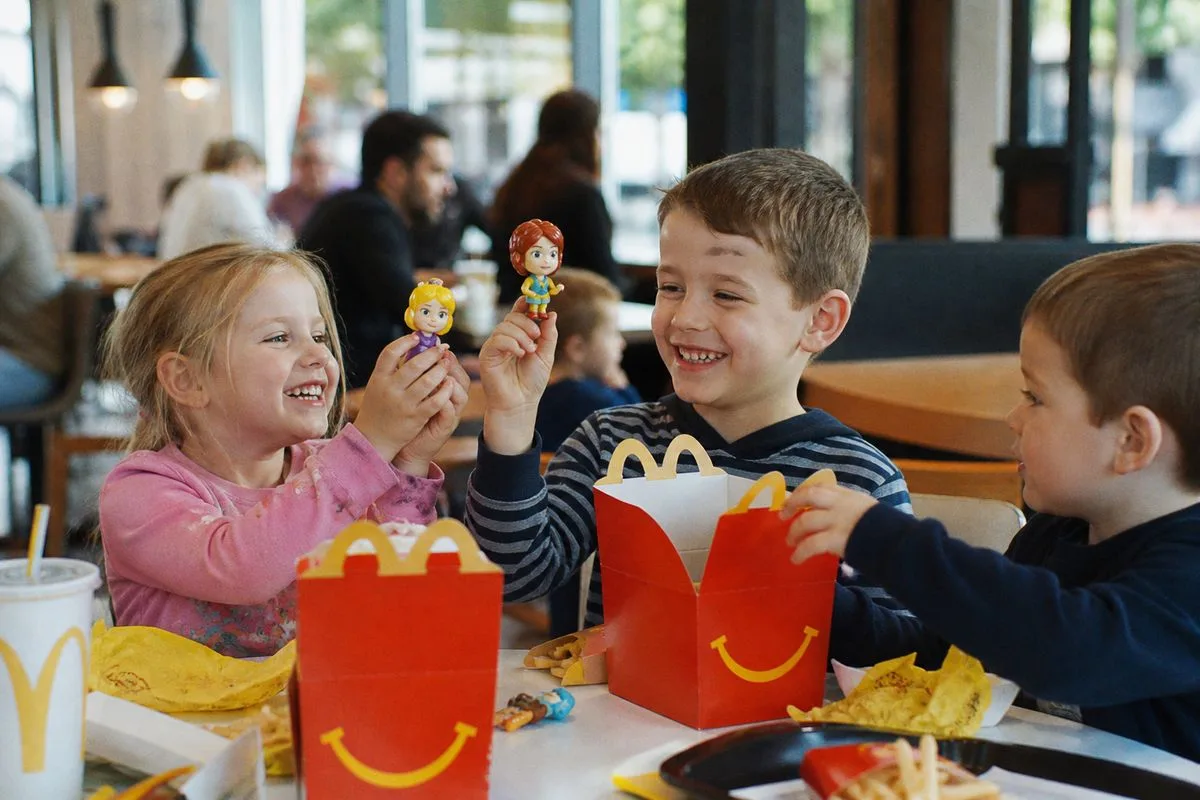
What the source material does not spell out, but is hard to ignore, is how this kind of promotion also courts adult collectors. McDonald’s does not say “adults, come buy these”, but it does not have to. The nostalgia is baked in. The villain theme is not strictly for toddlers. And the limited supply framing nudges the exact behaviour that drives collector culture: buy now, decide later.
How this fits into the wider fast food playbook, and what competitors learn
Fast food promotions used to be relatively straightforward: a toy, a film tie in, maybe a seasonal cup. Now they are closer to product drops, with scarcity, collectability, and social sharing built into the launch. McDonald’s Boo Buckets are a clean example because they sit at the intersection of three powerful forces: nostalgia, seasonal ritual, and franchise storytelling. That combination is hard for competitors to replicate without their own long running icon.
The recent Boo Bucket history also shows a brand learning in public. In 2022, McDonald’s tests the comeback. In 2023, it expands with new monster archetypes. In 2024, it misreads the room, at least among vocal fans, with monster designs that do not hit the nostalgic nerve. In 2025, it overcorrects with 15 designs, turning the promotion into a bigger hunt. In 2026, it tightens the range to five and adds Disney Villains, shifting the conversation from “which colour did you get” to “which character did you get”. That is a more emotionally resonant question, and it is easier to debate online.
For the industry, the lesson is that physical objects still matter. Digital loyalty schemes and app deals are important, but they do not replace the cultural impact of something you can hold, display, and reuse. A Boo Bucket is not just packaging. It becomes part of Halloween decor, a trick or treat container, a desk organiser, or a nostalgic shelf item. That longevity extends the marketing far beyond the day of purchase.
And there is a subtle operational advantage too. A bucket is a standardised item that can be shipped, stacked, and handed out quickly. It is not a complex menu innovation that risks slowing kitchens down. In a business where seconds matter at the drive thru window, that is a big deal. McDonald’s gets a fresh headline without reinventing its food line up.
What This Means For You
For families, the practical takeaway is timing. The Disney Villains Boo Buckets launch on 20 October 2026 and are available only while supplies last. Anyone who genuinely cares about getting a specific character should treat the first week as the safest window, not the last. That is especially true for households with more than one child, where the “wrong” bucket can become a whole thing. Planning one McDonald’s visit earlier in the season can save a lot of hassle later.
For collectors, or adults chasing a nostalgia hit, the key is to be realistic about scarcity. McDonald’s does not publish guaranteed stock levels in the source material, and availability can vary by restaurant. That means the smartest approach is simple: decide which designs matter most, check locally sooner rather than later, and do not assume a second chance. And if the goal is the full set of five, it is worth remembering that duplicates are likely. Swapping with friends or family can be more effective than repeatedly buying more meals than anyone actually wants.
For everyone else, there is a broader consumer point. Promotions like this are designed to trigger urgency and collectability. That can be fun, but it can also nudge spending in ways people do not notice until they have three buckets and no real plan for them. The sensible move is to treat the bucket as a bonus, not a mission. If a McDonald’s run already fits the week, great. If it does not, the bucket probably is not worth bending the whole schedule around (unless Halloween nostalgia is the point, in which case, carry on).
Closing thoughts: McDonald’s turns a kids’ freebie into a seasonal headline again
McDonald’s does not need Boo Buckets to sell burgers and fries. But it does need reasons to stay culturally loud, especially in a crowded fast food market where menu changes blur together. The Disney Villains Boo Buckets are a tidy solution: familiar format, fresh theme, and a built in audience that spans kids, parents, and grown ups who still remember the originals.
The bigger takeaway is that McDonald’s is getting more deliberate about how it uses nostalgia. It is not simply replaying the past. It is remixing it, year by year, learning what fans respond to, and then attaching the concept to something with instant recognition, like Disney villains. That is not exactly groundbreaking, but it is effective. And come late October, plenty of people will prove it by walking out of McDonald’s with a Happy Meal and a villain’s face grinning back at them.