
Ticketmaster in 2026, the queue, the app, and the growing backlash
Ticketmaster sits in a strange place in live entertainment. It is, for many fans, the front door to concerts, comedy, theatre, and sport. It is also the brand people blame when buying tickets feels like a stress test. In late October 2026, that tension is on full display again, not because of one single corporate announcement, but because the same set of pain points keeps resurfacing across Ticketmaster’s own help materials, its app experience, and the wider online conversation.
The immediate “news” here is less a single headline moment and more a clear pattern: fans are actively looking for ways to “fight back” against Ticketmaster, while other buyers swap practical tactics for getting through the waiting room and queue. At the same time, Ticketmaster continues to push its core proposition, verified tickets, a centralised app for entry, and customer support content that stresses that event information can change. Put bluntly, Ticketmaster is still the dominant pipe that most major tours flow through, and that dominance shapes everything, from pricing to the psychology of the queue.
And the details matter. Ticketmaster’s own app guidance says ticket barcodes are typically available within three days before the event. That one line, small as it looks, is a big deal. It affects resale timing, travel planning, and even whether a buyer feels in control of what they have paid for. Meanwhile, community advice about the waiting room says people can enter whenever they like before the sale begins, but they will be randomly placed into the queue when the sale starts. That randomness is exactly what makes the process feel opaque, and why frustration keeps boiling over.
What is actually happening, and why Ticketmaster keeps trending for the wrong reasons
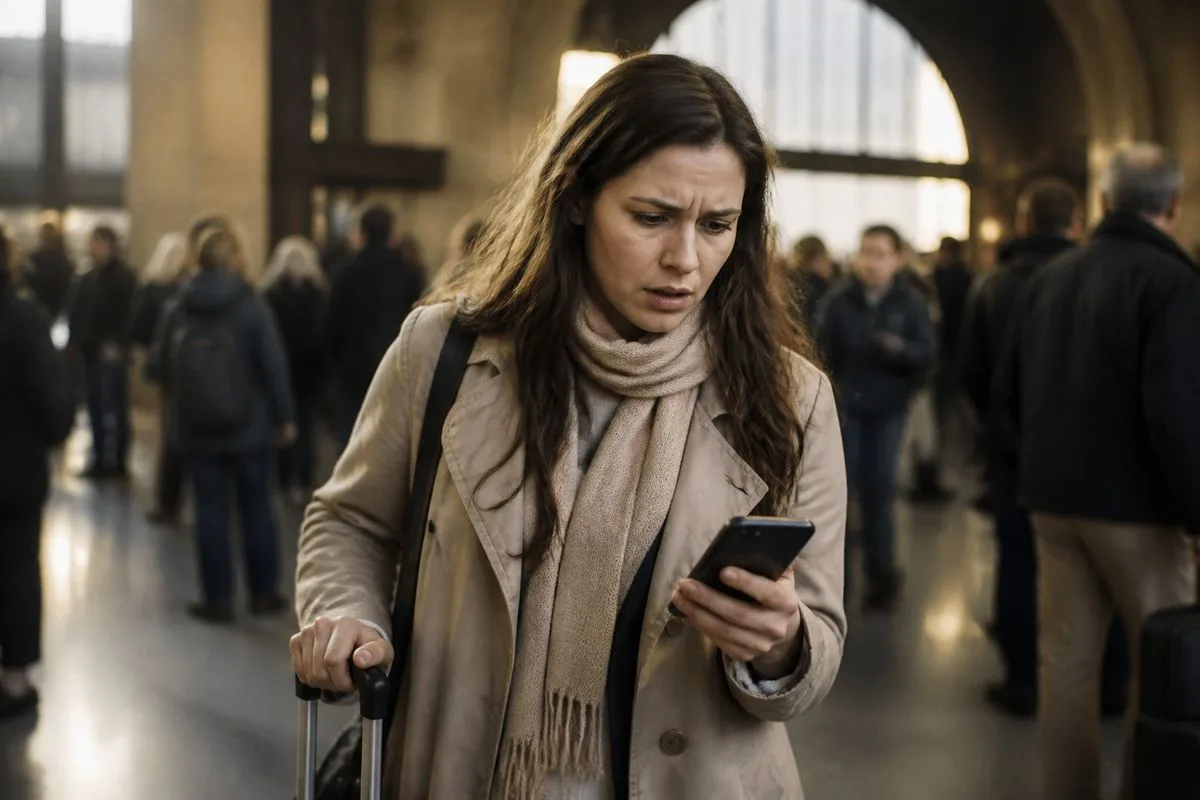
The current cycle of attention around Ticketmaster is driven by two parallel storylines. First, there is the consumer backlash narrative, captured neatly in community discussions asking whether fans can “fight back” at all. The blunt response from other users is telling: it is “impossible” to avoid Ticketmaster for most major shows, and opting out often means only seeing events at small venues such as bars. That is not a statistic, but it is a widely shared lived experience, and it points to the structural issue: Ticketmaster is not just a retailer, it is frequently the default infrastructure.
Second, there is the practical, almost survivalist, narrative: people trading tips on how to navigate Ticketmaster’s mechanics. One recurring piece of advice is that the waiting room is not a first come, first served line. Buyers can join early, but placement in the queue is randomised at the moment sales open. That changes how fans behave. It encourages superstition, multiple devices, and a sense that “doing everything right” still might not matter. Fair enough, that is exactly the kind of system that breeds resentment.
Layered on top is the continuing shift towards mobile first ticketing. Ticketmaster’s app messaging emphasises that tickets can be viewed and managed in the app, and that barcodes typically appear within three days of the event. For venues and promoters, delayed barcode release can be a tool to reduce certain types of fraud. For fans, it can feel like a lack of certainty, especially when travel and accommodation are involved. It also intersects with resale, because a buyer cannot always transfer what they cannot yet access.
None of this is new, but the combination is combustible. A randomised queue, delayed ticket access, and a near unavoidable market position is exactly the recipe that keeps Ticketmaster in the conversation, even when the company is simply doing what it has been doing for years.
Ticketmaster’s ecosystem, app access, verified tickets, and support content
Ticketmaster presents itself as the connector between fans and live events. Its public facing materials focus on browsing concerts and tour dates, buying “verified” tickets, and managing entry through the Ticketmaster app on Apple or Android. The company also maintains large social media presences, including an Instagram account that frames the brand around being “there live”, and a Facebook page with a follower count displayed in the millions. Those channels matter because they are where customer sentiment often surfaces first, long before it reaches formal complaints.
The app is central to the modern Ticketmaster experience. The practical promise is convenience: tickets in one place, entry via barcode, and account based management. But the app also becomes the enforcement point for ticketing rules, including when barcodes appear. Ticketmaster’s own wording is careful, barcodes are “typically” available within three days before the event, which leaves room for variation by organiser, venue, or event policy. That “typically” is doing a lot of work. It means fans cannot assume uniform behaviour across events, and it means anxiety spikes when a ticket is not visible yet.
Then there is the support layer. Ticketmaster Help pages often include event specific notes and disclaimers that information may change. One example in the source material references a chart for a specific artist’s events and warns that details can change, encouraging fans to check the relevant event page. This is standard customer service language, but it also signals something important: Ticketmaster is not always the ultimate decision maker. Artists, promoters, and venues can opt into programmes and set policies that Ticketmaster then implements.

That distinction is crucial when discussing pricing and so called “dynamic” adjustments. Community discussion describes an opt in programme where first time sold tickets can be priced in a way that adjusts dynamically. The key phrase there is “opt in”. It suggests Ticketmaster can provide the mechanism, but the artist or organiser chooses whether to use it. Fans, however, often experience it as “Ticketmaster did this”, because Ticketmaster is the interface. The nuance gets lost in the heat of a stressful onsale.
How Ticketmaster queues and pricing feel to fans, and why that perception sticks
Ticketmaster’s onsale flow is now familiar to anyone who has tried to buy a hot ticket: waiting room, queue, then a scramble for seats. The community tip that queue placement is randomised at the start of the sale is a small piece of information with big implications. It means arriving early does not necessarily improve odds. It also means the process is not legible in the way a physical queue is legible. People can accept disappointment when the rules feel clear. They struggle when the rules feel like a black box.
And that black box feeling is amplified by the stakes. Live events are emotional purchases. Fans are not buying a toaster, they are buying a night they have been looking forward to for months, sometimes years. When the onsale experience feels arbitrary, frustration quickly turns into suspicion. That is why queue mechanics become a lightning rod. Even if the randomisation is intended to reduce bot advantage or prevent server overload, it can still feel unfair to a human being staring at a spinning wheel.
Pricing is the other pressure point. The source material does not provide numbers, so it is not possible to cite specific price jumps or fee totals here. But it does provide an important clue about how pricing can work: an opt in programme where initial ticket prices adjust dynamically. Whether fans call that “dynamic pricing” or “platinum” style pricing, the lived experience is the same, the price a buyer expects is not always the price they see at checkout. Add service fees, delivery rules, and the fear of missing out, and the whole thing can feel like being negotiated with by an algorithm.
There is also a deeper issue, and it is psychological. Ticketmaster is often unavoidable for major tours, as community commenters point out. When consumers feel trapped, they stop treating the company as a normal retailer and start treating it as a gatekeeper. Gatekeepers attract anger. It is not exactly groundbreaking, but it is true. The more centralised the system, the more every failure, delay, or confusing policy becomes “Ticketmaster’s fault”, even when the policy originates elsewhere.
The bigger industry picture, why Ticketmaster’s dominance shapes the market
Ticketmaster’s scale is the story behind the story. When fans say avoiding Ticketmaster would mean only going to small venues, they are describing market concentration in plain language. The practical effect is that Ticketmaster’s design choices become industry norms. If Ticketmaster decides mobile entry is standard, mobile entry becomes standard. If Ticketmaster’s queue is the default experience, then the queue becomes part of the culture of buying tickets.
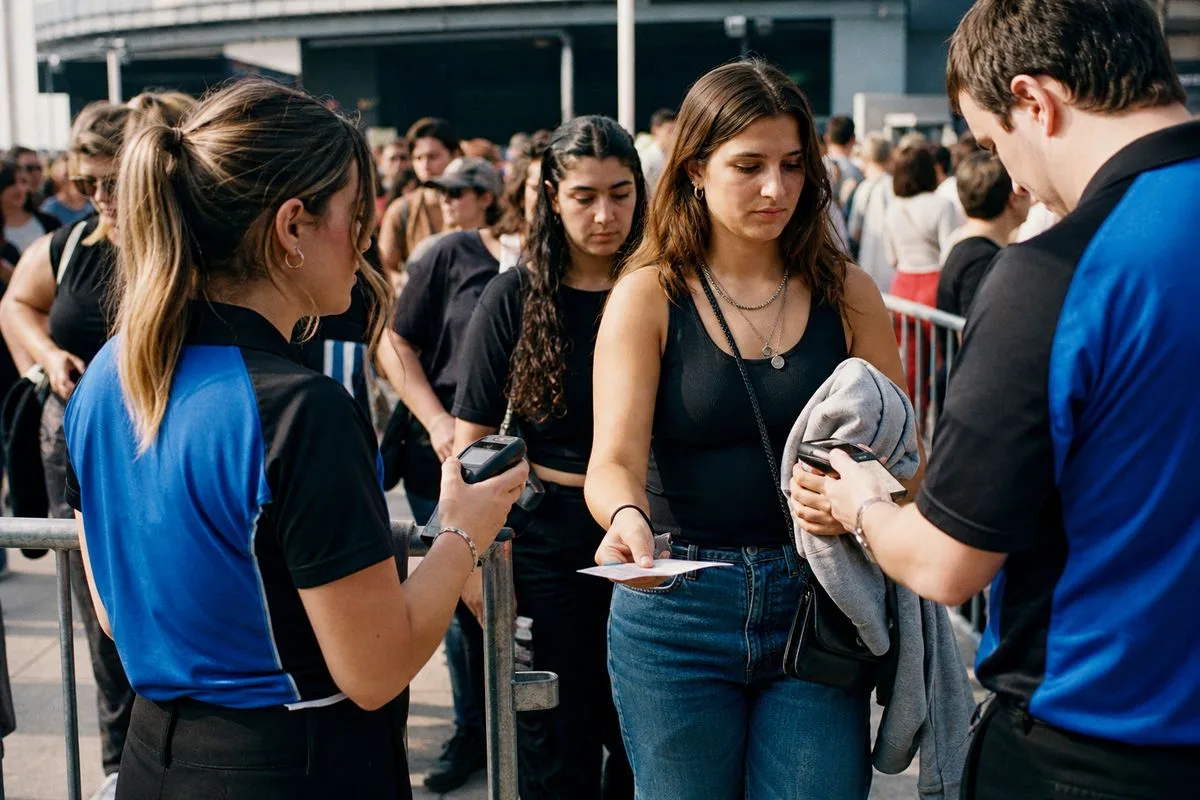
This matters for artists and promoters too. A centralised platform can offer reach, infrastructure, fraud controls, and customer service systems that would be expensive to replicate independently. It can also offer data, marketing tools, and integrations that make tours easier to run. The trade off is that the platform’s reputation becomes part of the artist’s relationship with fans. When fans are furious about queues or pricing, that anger splashes onto everyone involved, even if the organiser opted into the pricing programme or set the ticket release rules.
Delayed barcode release, for example, can be seen as a security measure. If barcodes are not live until close to the event, it can reduce certain forms of screenshot fraud and limit some speculative resale behaviours. But it also changes the secondary market dynamic and can make legitimate buyers nervous. And nervous buyers behave differently. They contact support more, they post online more, and they are more likely to assume something is wrong even when it is normal policy.
Historically, ticketing has always had friction, phone lines, physical box offices, and sell outs in minutes are not new. What is new is the visibility of the process. In the past, a fan might simply be told “sold out”. Now they watch the queue, watch the seats disappear, and watch the price change in real time. That transparency should build trust, but when the logic is not explained, it can do the opposite. It turns disappointment into a narrative of manipulation, whether or not manipulation is actually occurring.
Ticketmaster and the online backlash, what “fight back” really means in 2026
The phrase “fight back against Ticketmaster” pops up because people are searching for leverage. But leverage is hard to find when a platform is embedded across venues and tours. The community response that “almost all shows now use Ticketmaster” is not a formal market share claim, but it reflects a widespread consumer perception of ubiquity. And perception drives behaviour. If fans believe there is no alternative, they stop shopping around and start venting.
So what does “fight back” look like in practice? In online communities, it often means sharing tactics, warning others about common pitfalls, and encouraging people to buy only what they can afford. It can also mean pushing artists and organisers to choose different ticketing arrangements, or at least to avoid opt in pricing schemes that fans perceive as exploitative. But that is a slow process. Tours are booked far in advance, venue contracts are complex, and ticketing is tied into staffing, scanning hardware, and settlement systems.
There is also a subtle shift in expectations. Fans increasingly want clear explanations: why the queue is randomised, why barcodes are delayed, what is controlled by the organiser versus Ticketmaster. When those explanations are missing, the internet fills the gap with speculation. And once a narrative sets in, it is sticky. Ticketmaster can publish help pages, but the emotional truth for many fans is formed in the moment of a failed purchase, not in a FAQ.
None of this means Ticketmaster is uniquely villainous compared with every other player in live entertainment. It means Ticketmaster is visible. It is the interface. It is where the frustration lands. In 2026, that visibility is both its strength and its biggest reputational risk.
What This Means For You
For anyone buying through Ticketmaster in 2026, the most useful mindset shift is to treat the onsale like a lottery with rules, not a traditional queue. Community advice indicates that joining the waiting room early does not guarantee a better place in line, because placement is randomised when the sale begins. That means the best preparation is practical, not performative: be logged in, have payment details ready, and decide in advance what price level is acceptable. If the price on screen is higher than expected, the buyer can walk away rather than panic buying and regretting it later.

Ticket access timing is the other key planning issue. Ticketmaster’s app guidance says barcodes are typically available within three days of the event. So if a buyer cannot see a barcode immediately after purchase, that is not automatically a red flag. But it does affect planning. Anyone travelling should keep confirmation emails and order details organised, and avoid making assumptions about transferability until the ticket is actually visible in the app. If a buyer is purchasing as a gift or coordinating a group, it is worth agreeing early on who holds the tickets and how entry will work on the day.
And for fans who want to “fight back”, the most realistic leverage is upstream. Ticketmaster implements systems, but organisers often choose options. Fans can direct feedback not only at Ticketmaster support channels, but also at artists, promoters, and venues, especially around opt in pricing programmes and transparency. It is not instant gratification, but it is how incentives change over time. In the meantime, the best defence is information: understand that event details can change, that queues can be randomised, and that the app is now the ticket.
Closing thoughts, where Ticketmaster goes from here
Ticketmaster in 2026 is not just a ticket shop. It is an operating system for live events, with all the baggage that comes with being infrastructure. The same features that make it efficient at scale, centralised app entry, controlled barcode release, queue management, also make it feel impersonal and, at times, unfair. That is the trade off, and it is why the company remains a magnet for criticism.
The most telling thing in the current conversation is that fans are not only complaining, they are trying to reverse engineer the system. They are asking how the waiting room works, why the queue behaves the way it does, and what control they actually have. That is a signal of mistrust, but it is also an opportunity. If Ticketmaster and event organisers want to cool the temperature, clearer explanations and more consistent policies would help. Not because it makes sell outs less painful, but because it makes the pain feel less arbitrary.
Until then, Ticketmaster will keep trending for the same reason it always does. It is where the dream of a great night out meets the reality of limited supply, high demand, and a checkout button that does not always cooperate.