Philease Dogg Daycare

Don't Let Your Side Gig Get Out of Hand
After leaving SAP to try and start something of my own, I looked for gig work walking dogs so I wouldn’t have to rely solely on my savings. I started by listing myself on the DogBuddy app and handing out some flyers with my mum’s three Scotties. Relatively quickly, I received my first request to walk and look after a puppy, which was really hard work (he wasn’t being trained at home at all, and he was quite a large pup). I actually ended up having to say I couldn’t look after him anymore, as he was causing more damage than I was earning.
Nevertheless, it wasn’t long until I got another few enquiries and received a few reviews, which made my profile look far more legitimate. This was 2019, pre-pandemic, meaning going to the office was still the norm, and it also appeared that a lot of people wanted to own dogs but just couldn’t be with them every day. So there was no shortage of demand. Word spread, and within four months I had about 20 intermittent clients, some of whom had become almost full time.
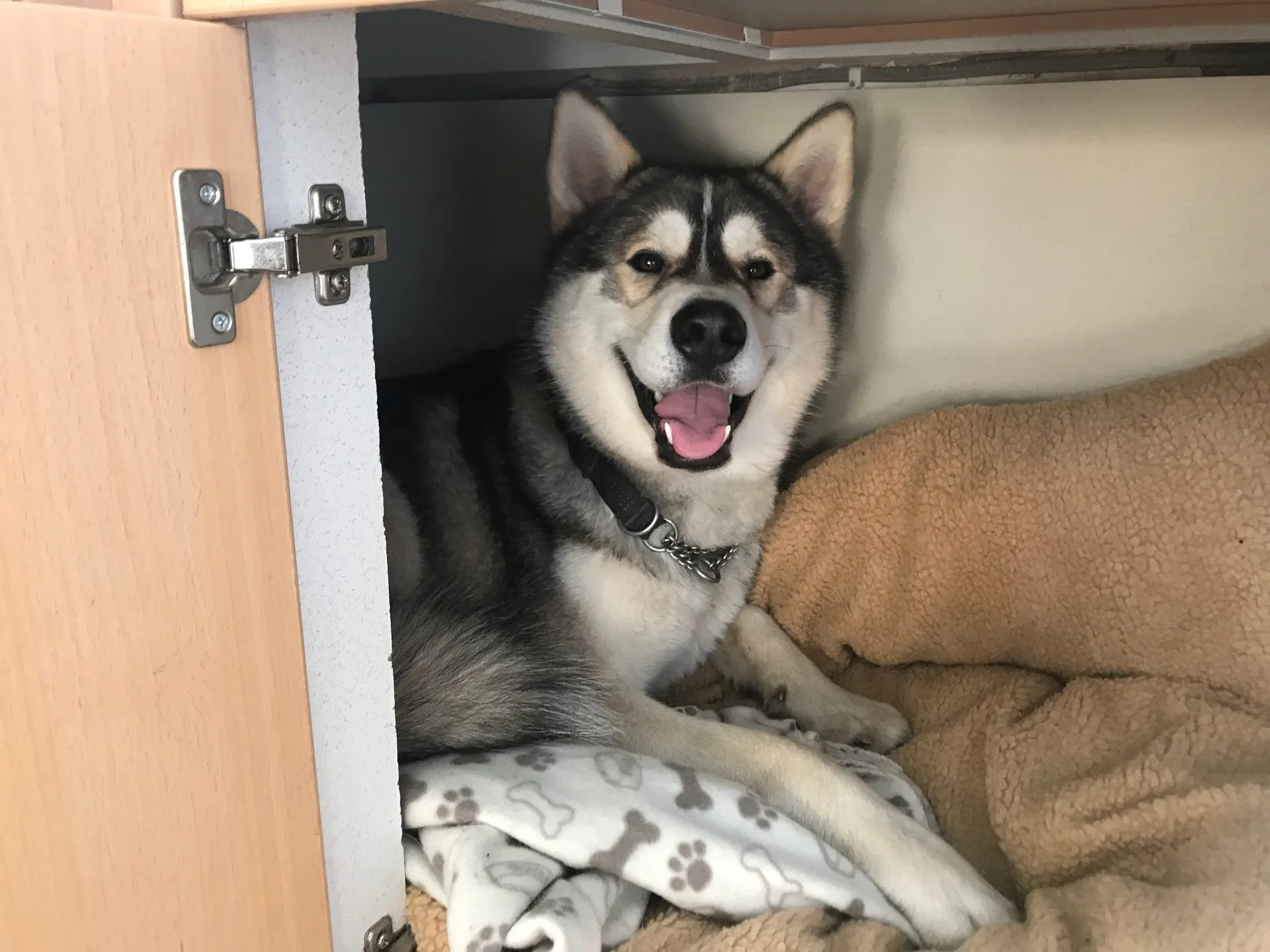
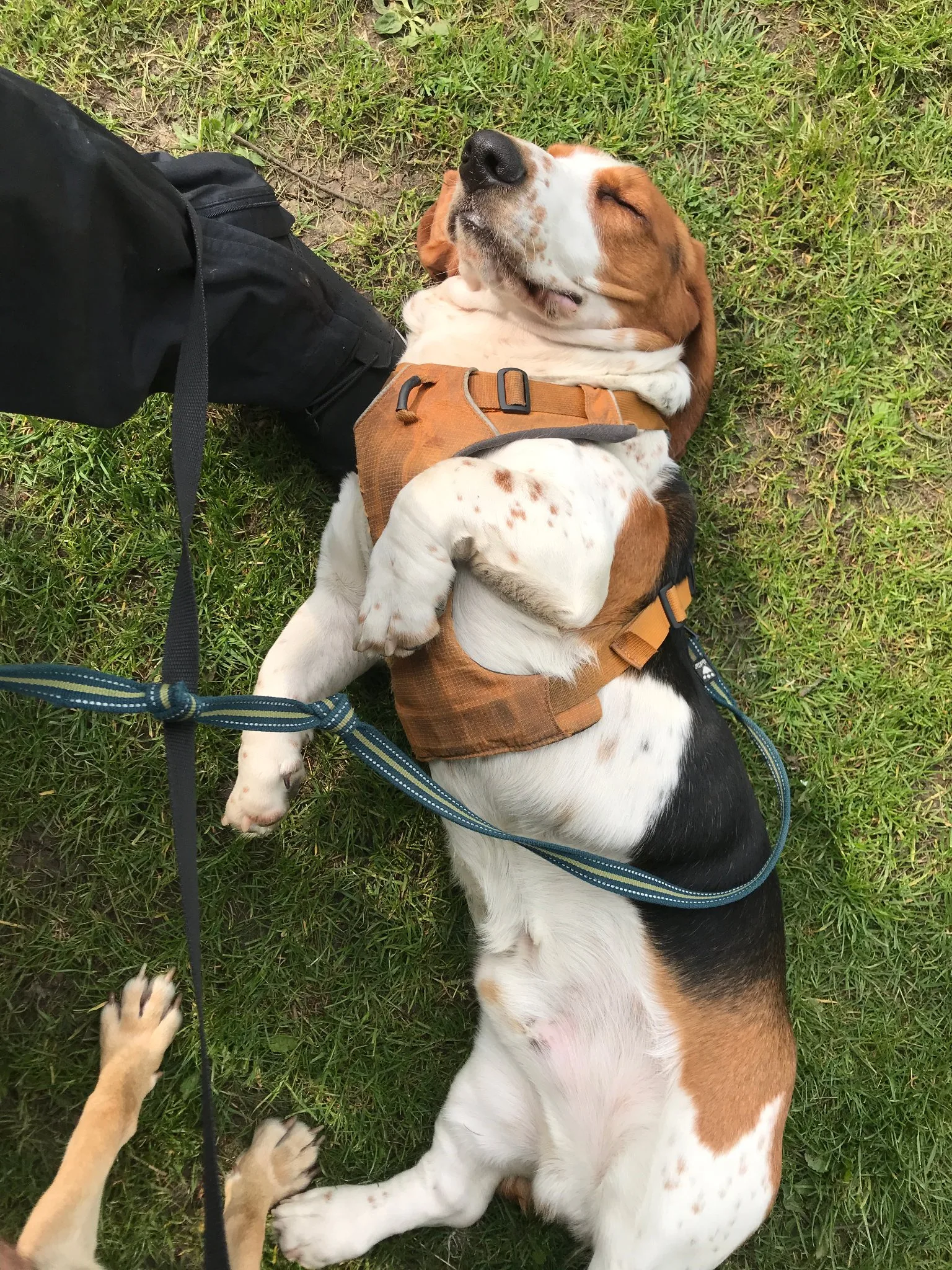
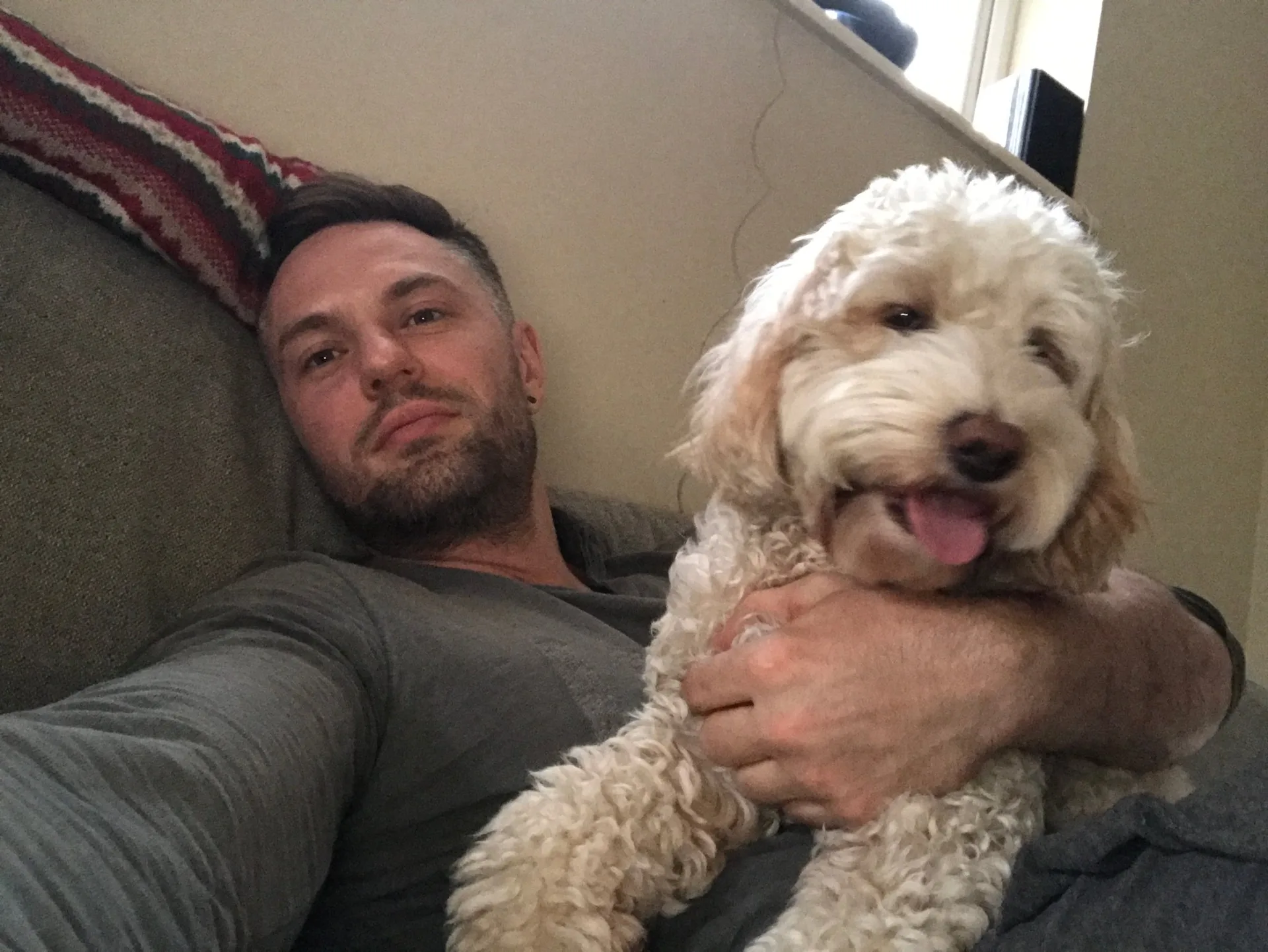
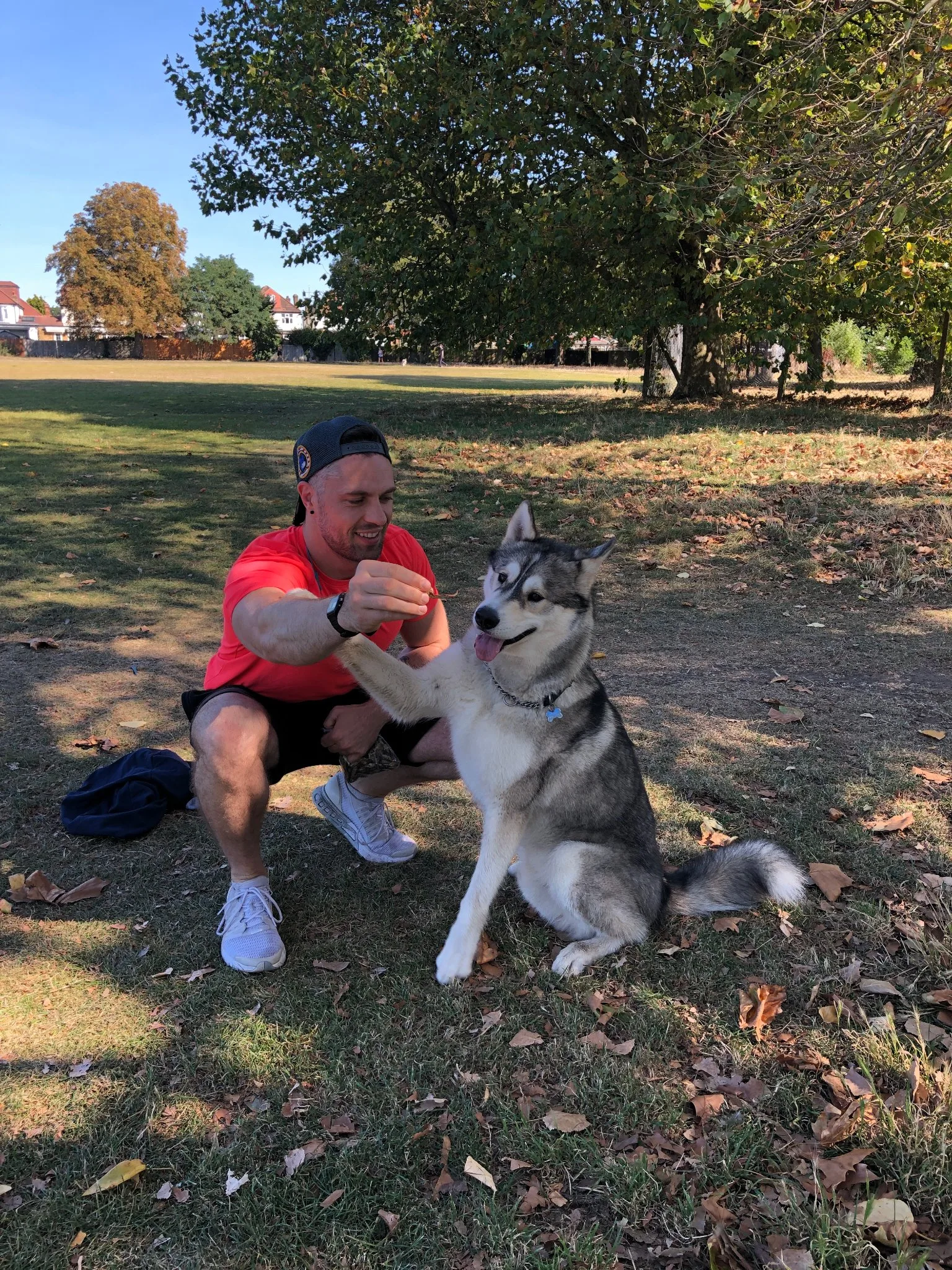
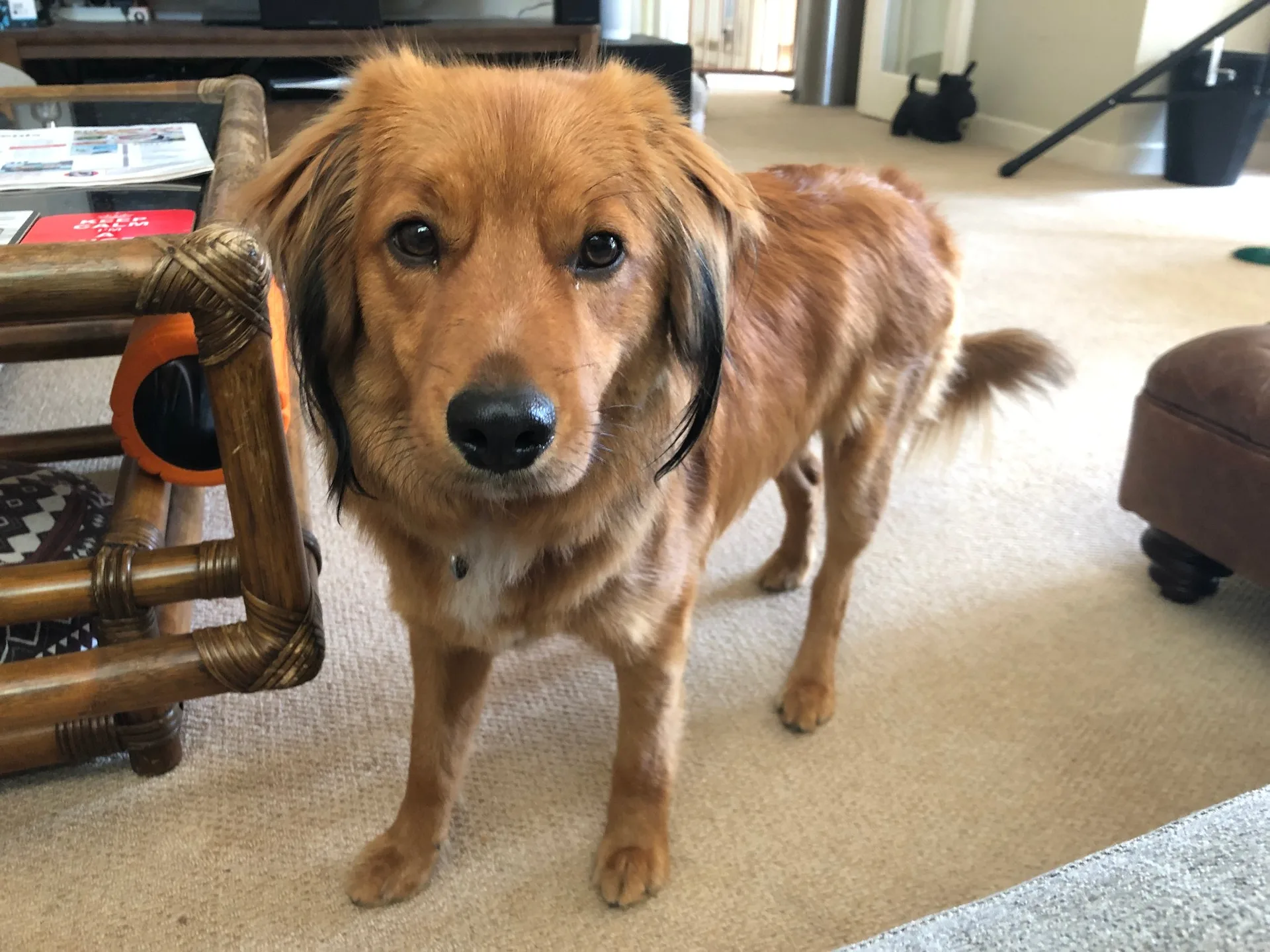
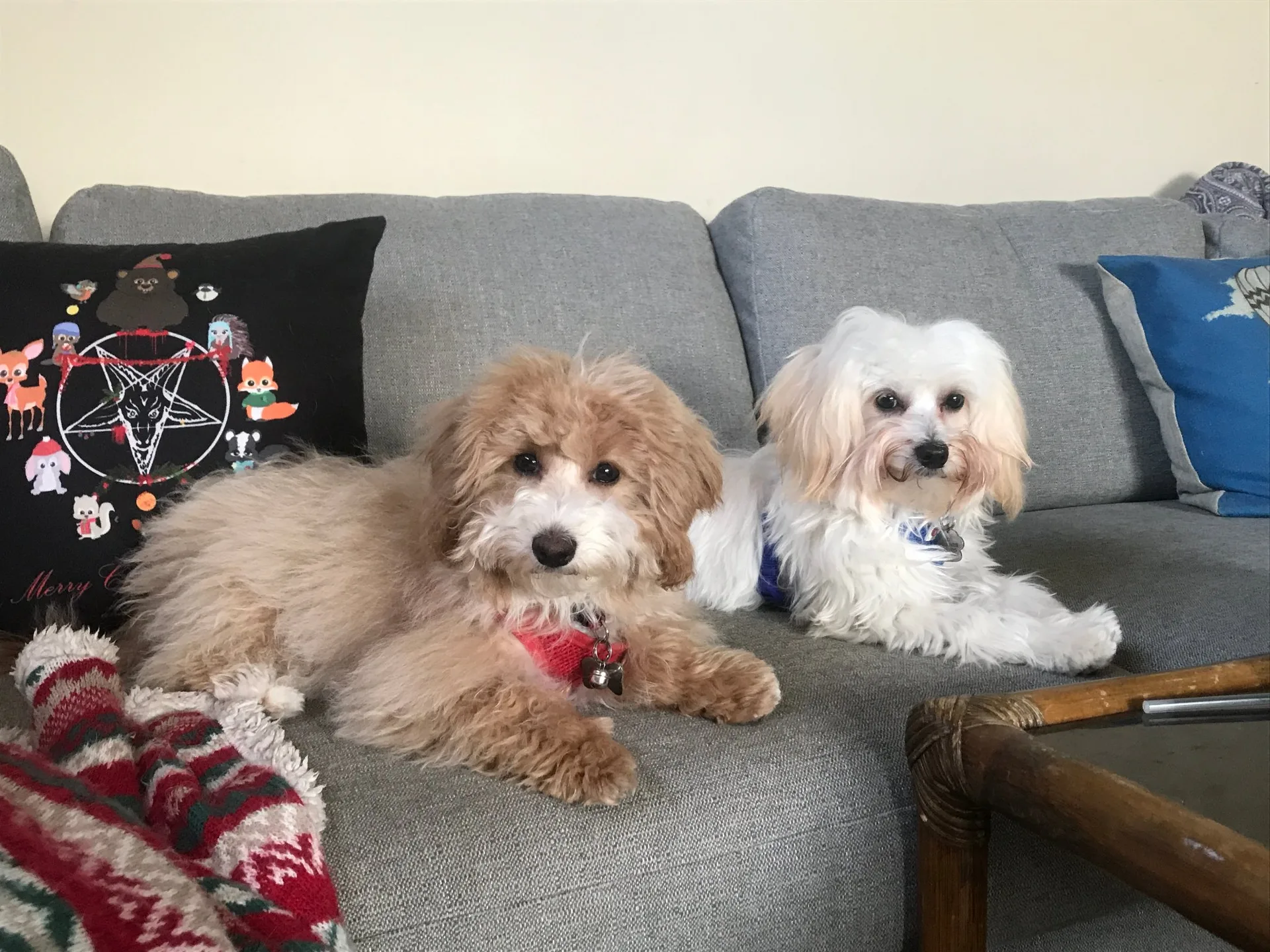
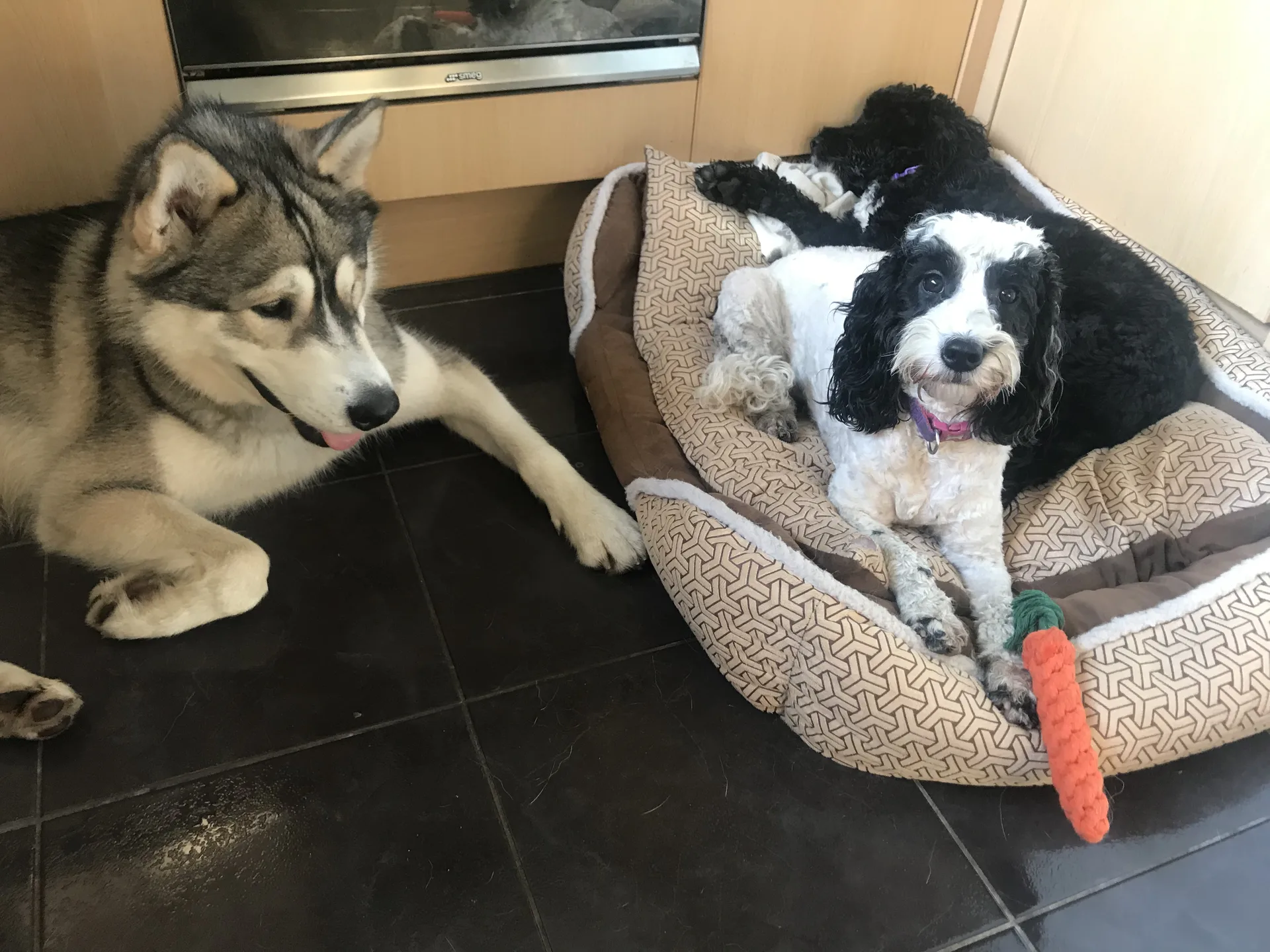
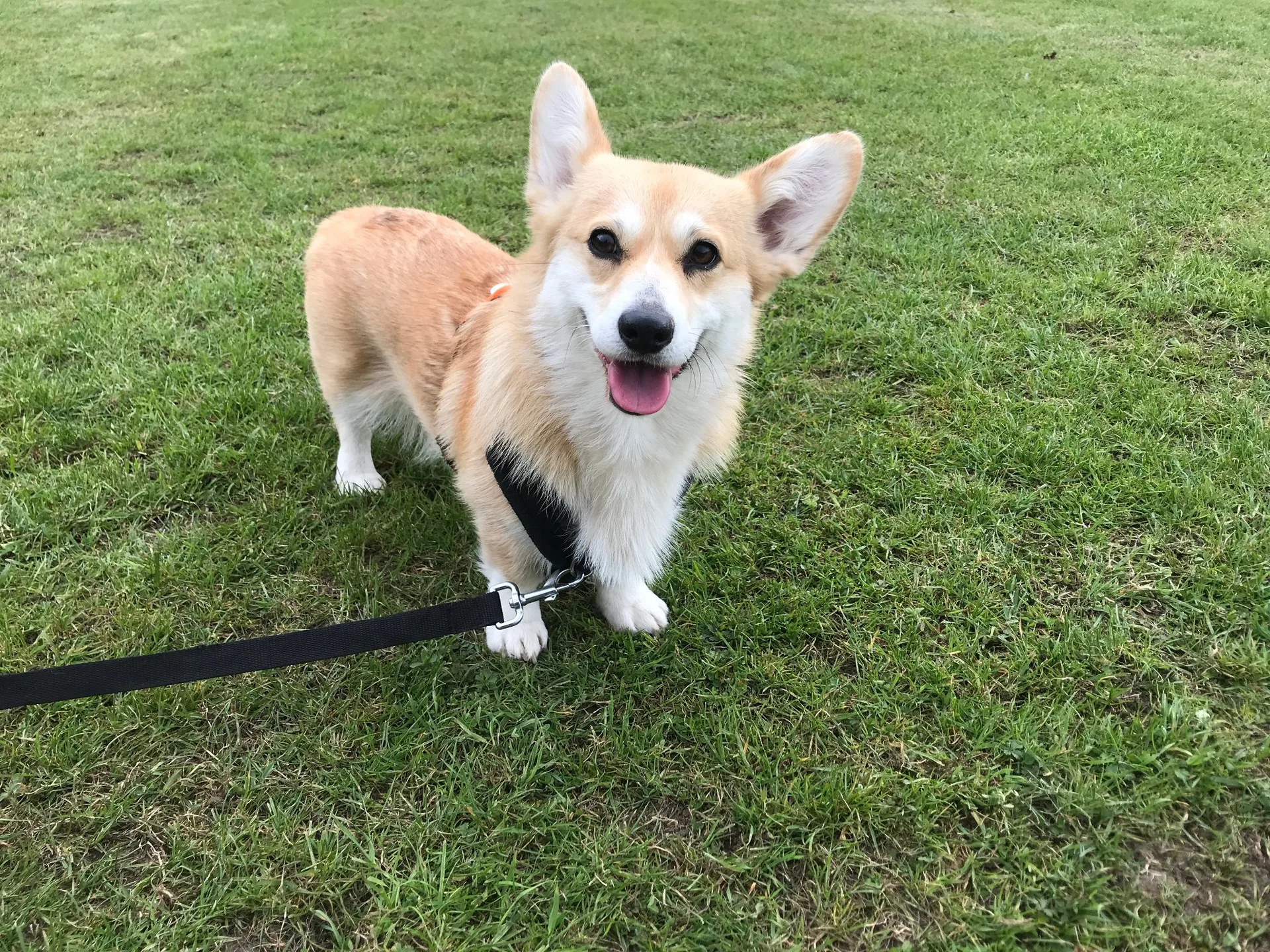
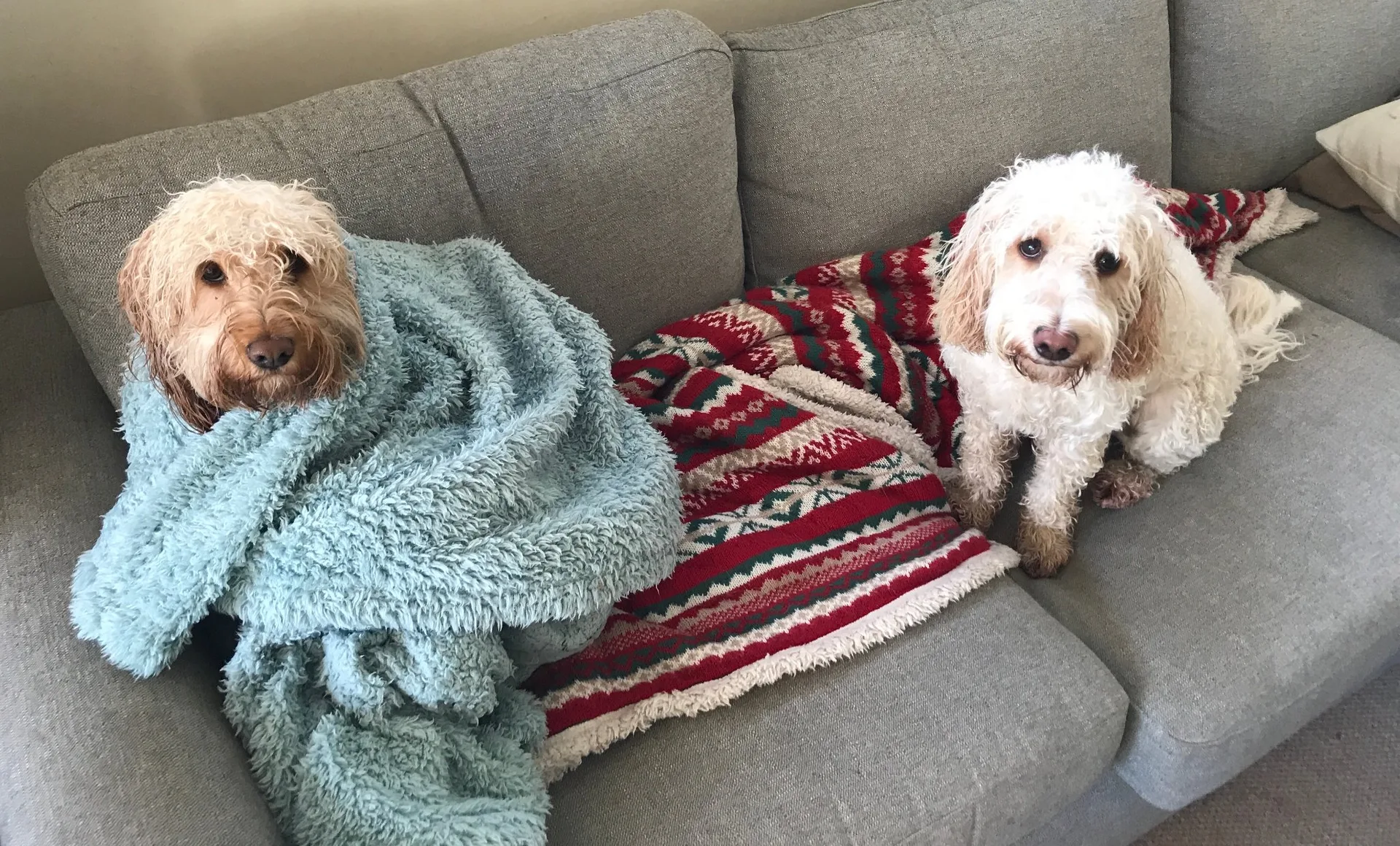
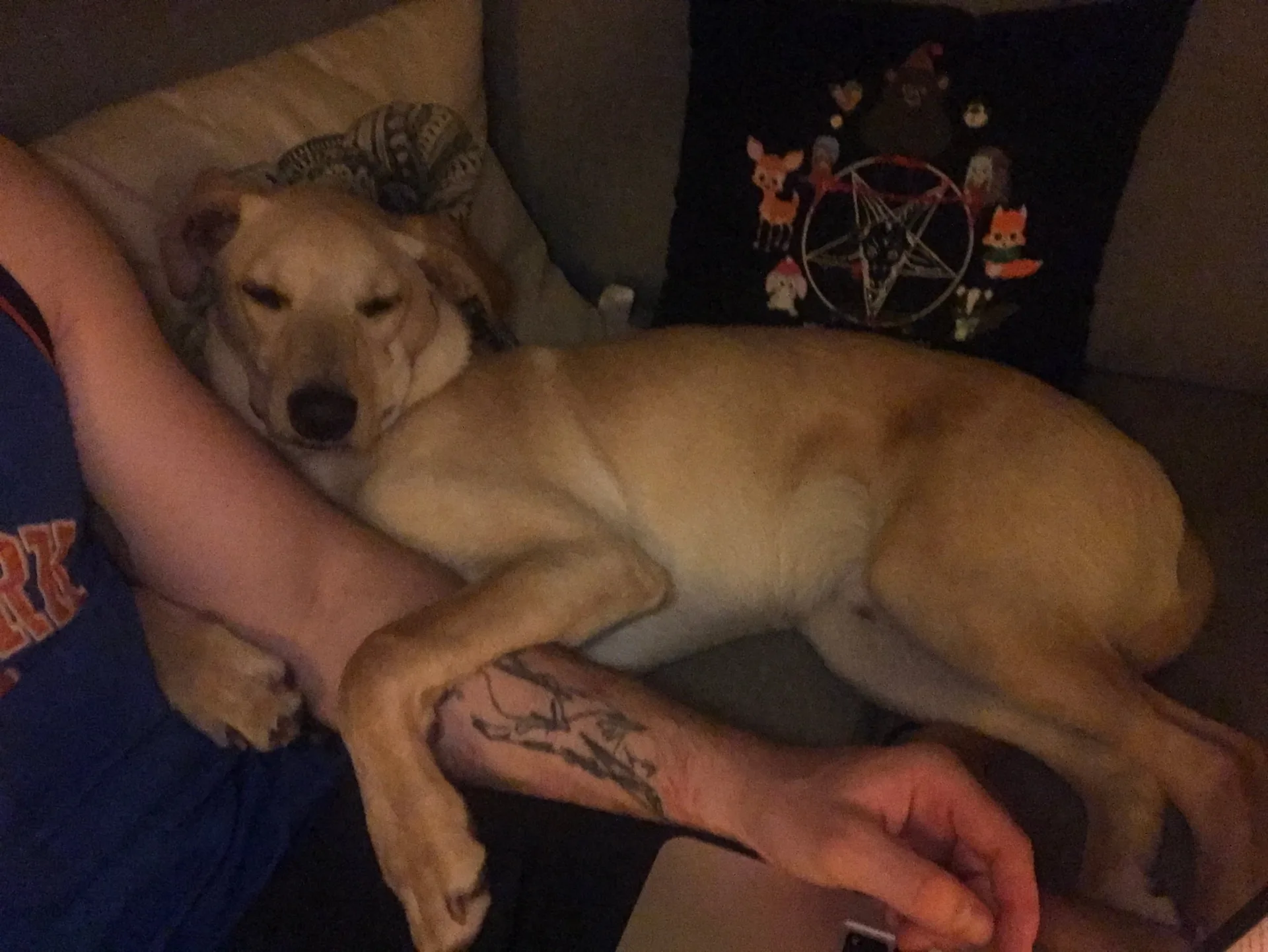
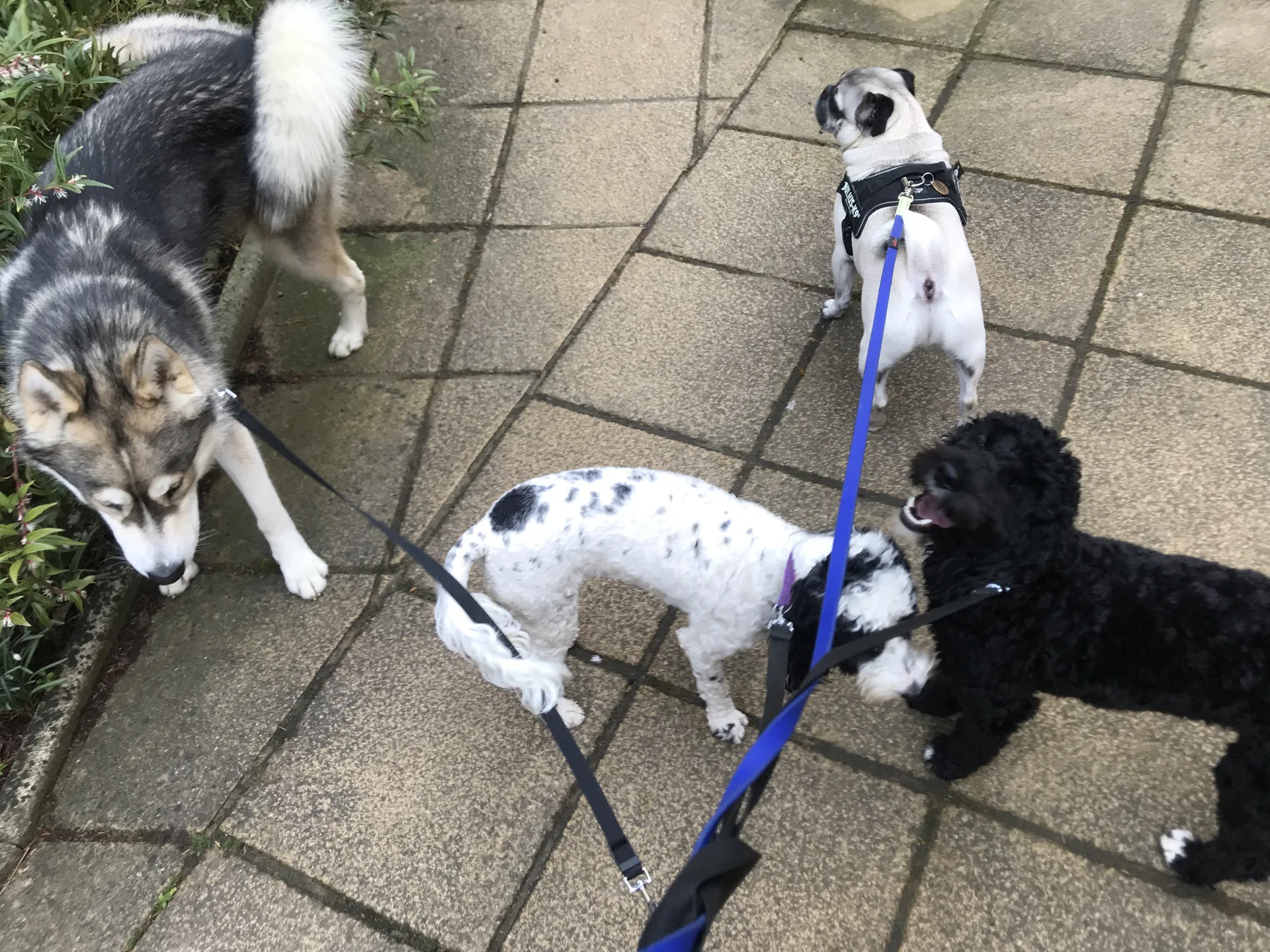
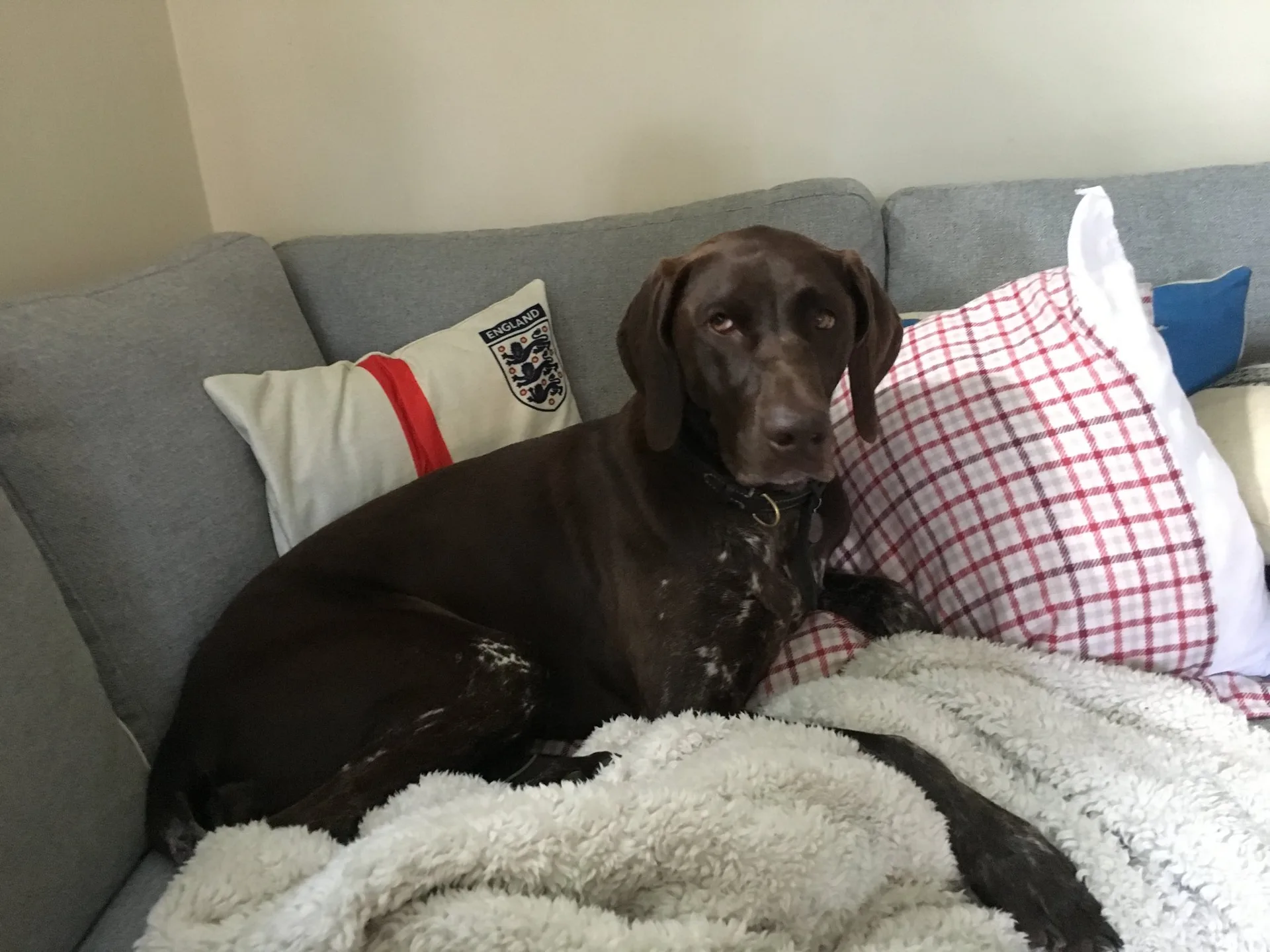
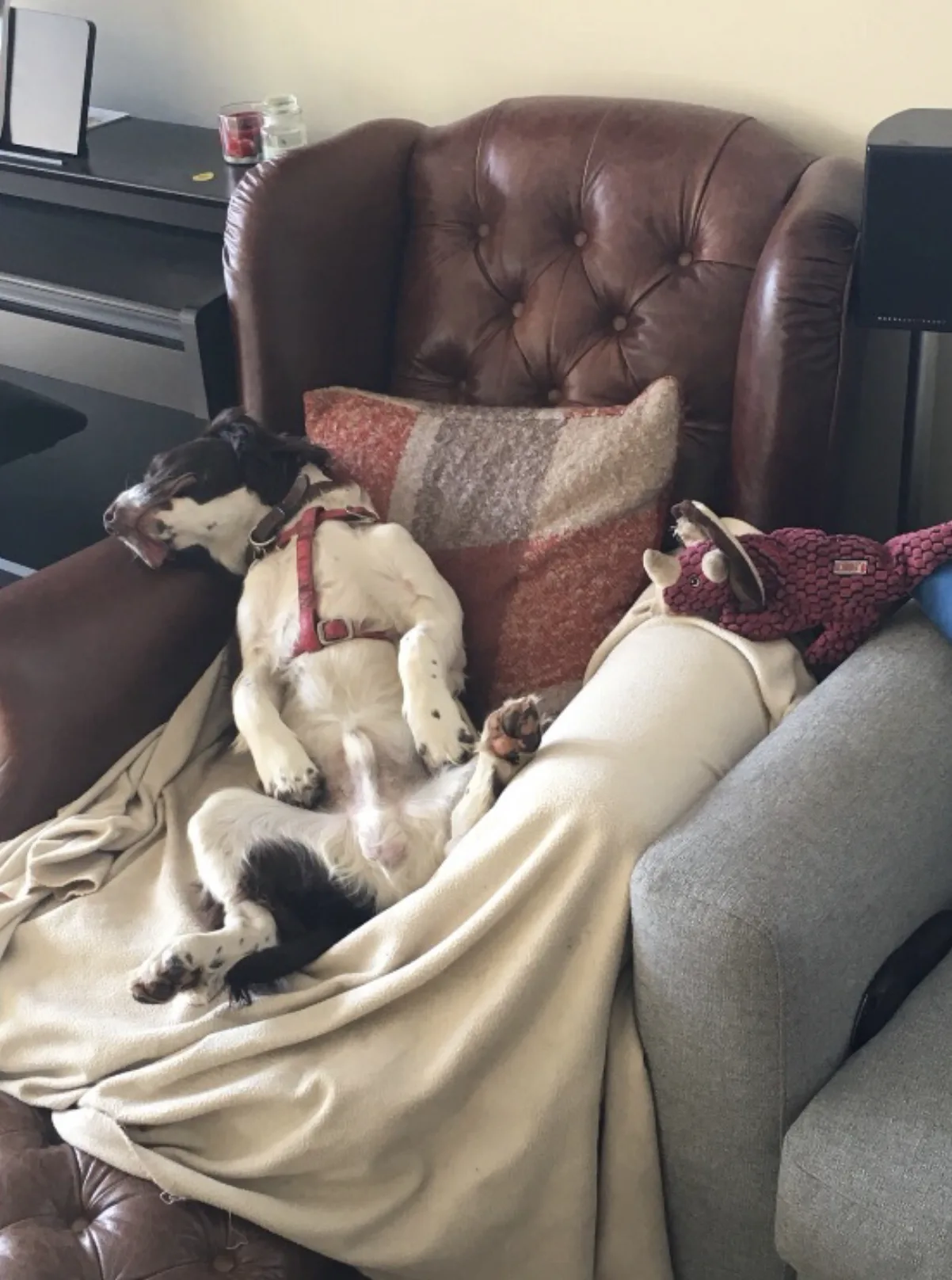
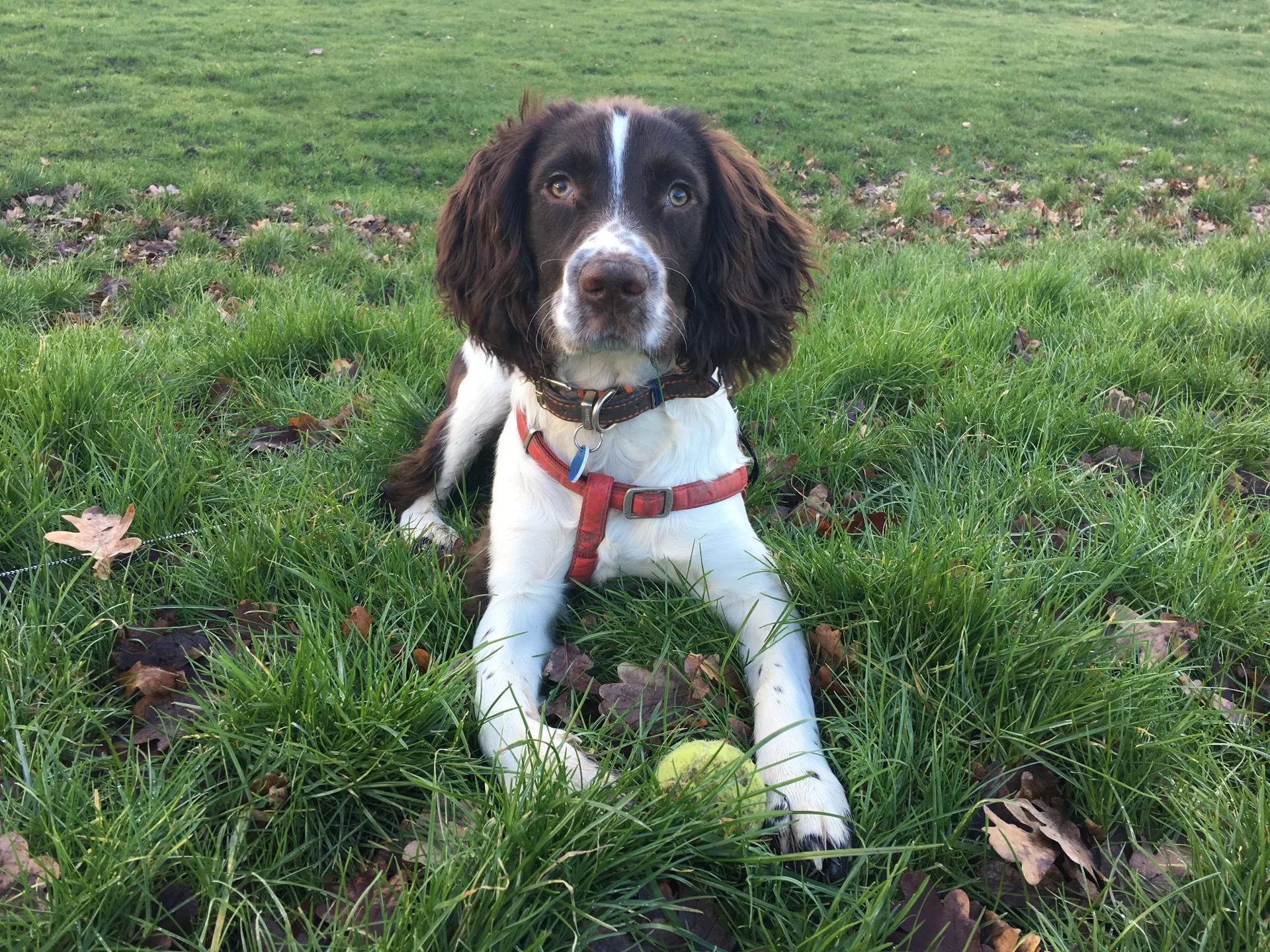
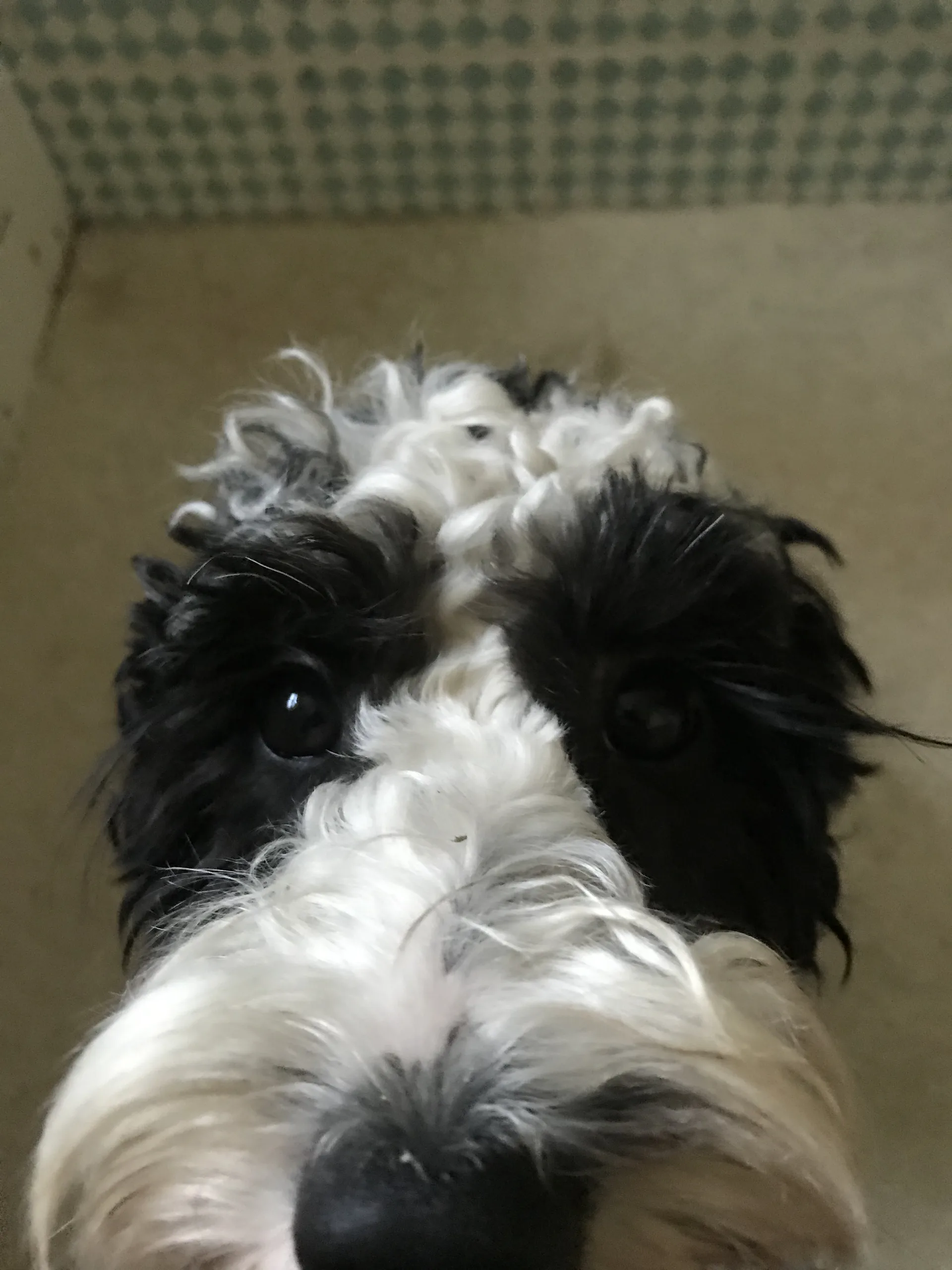
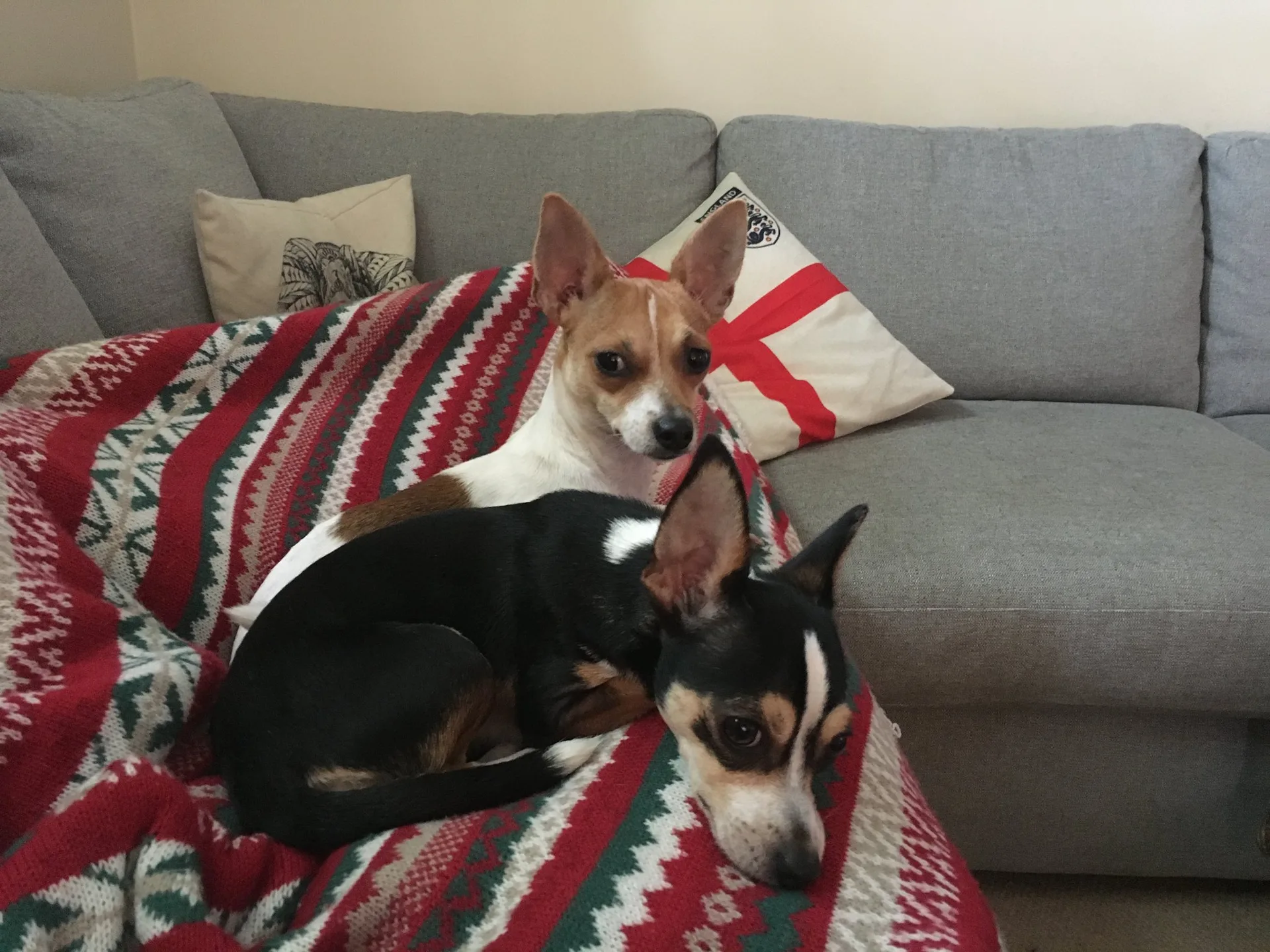
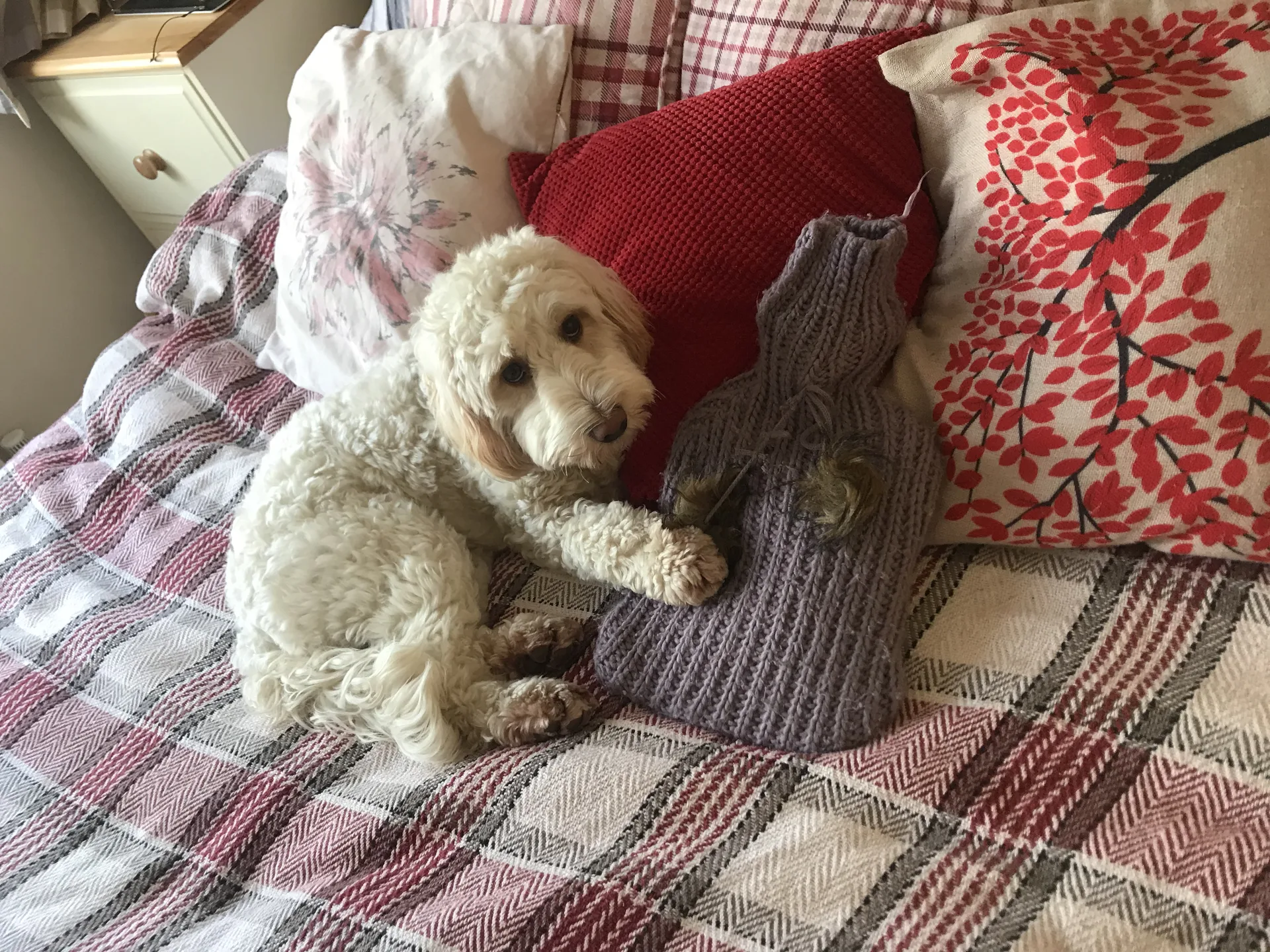
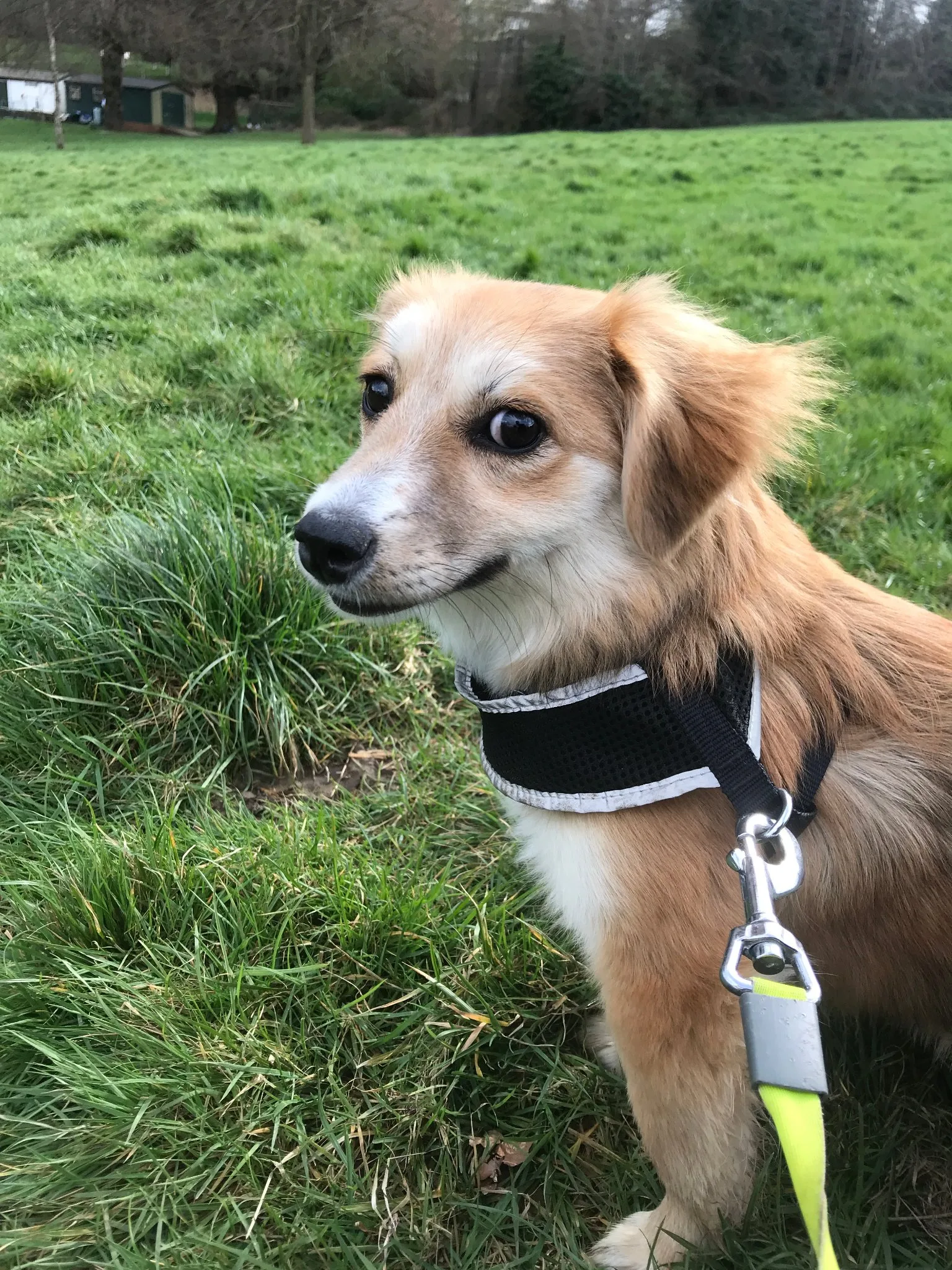
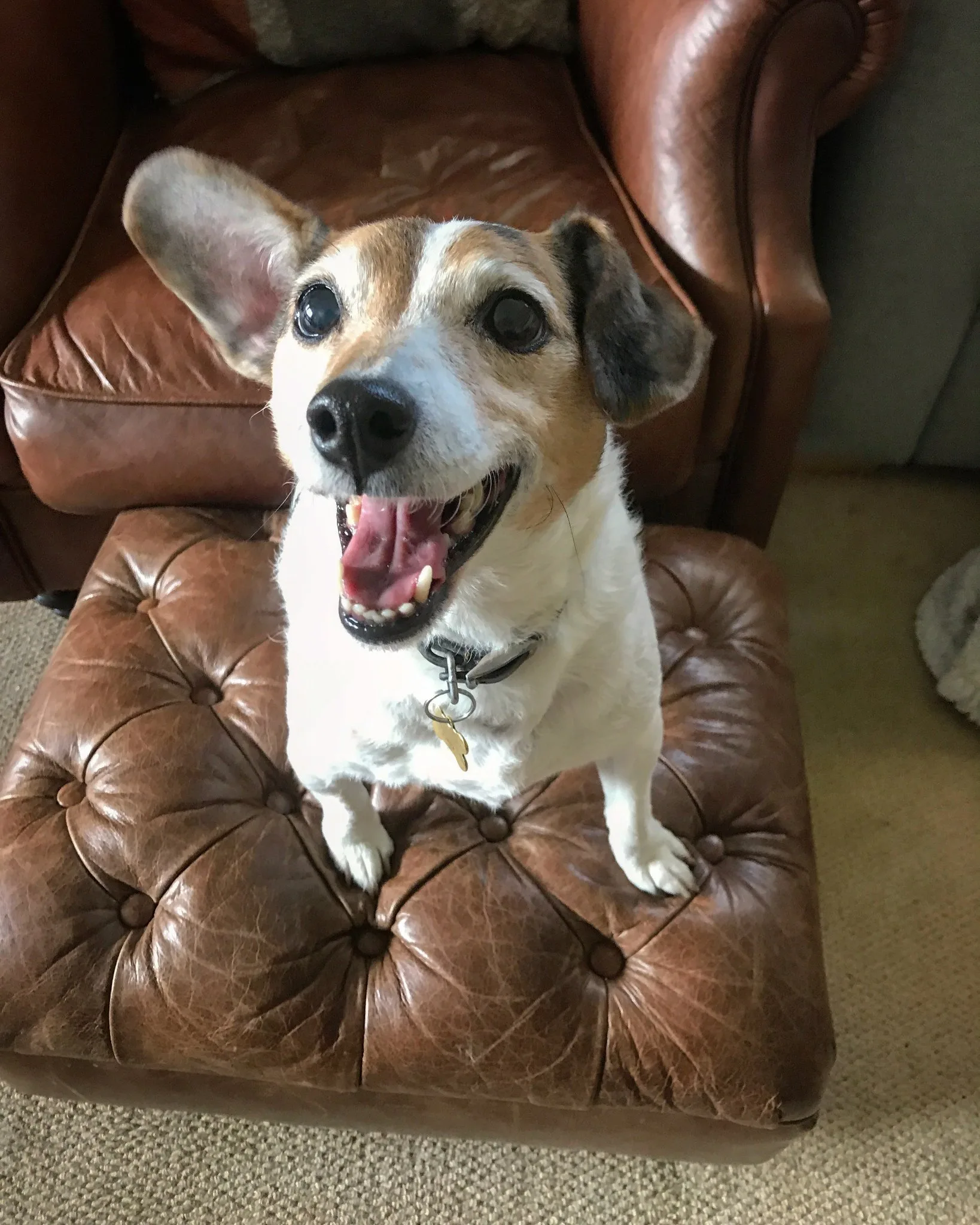
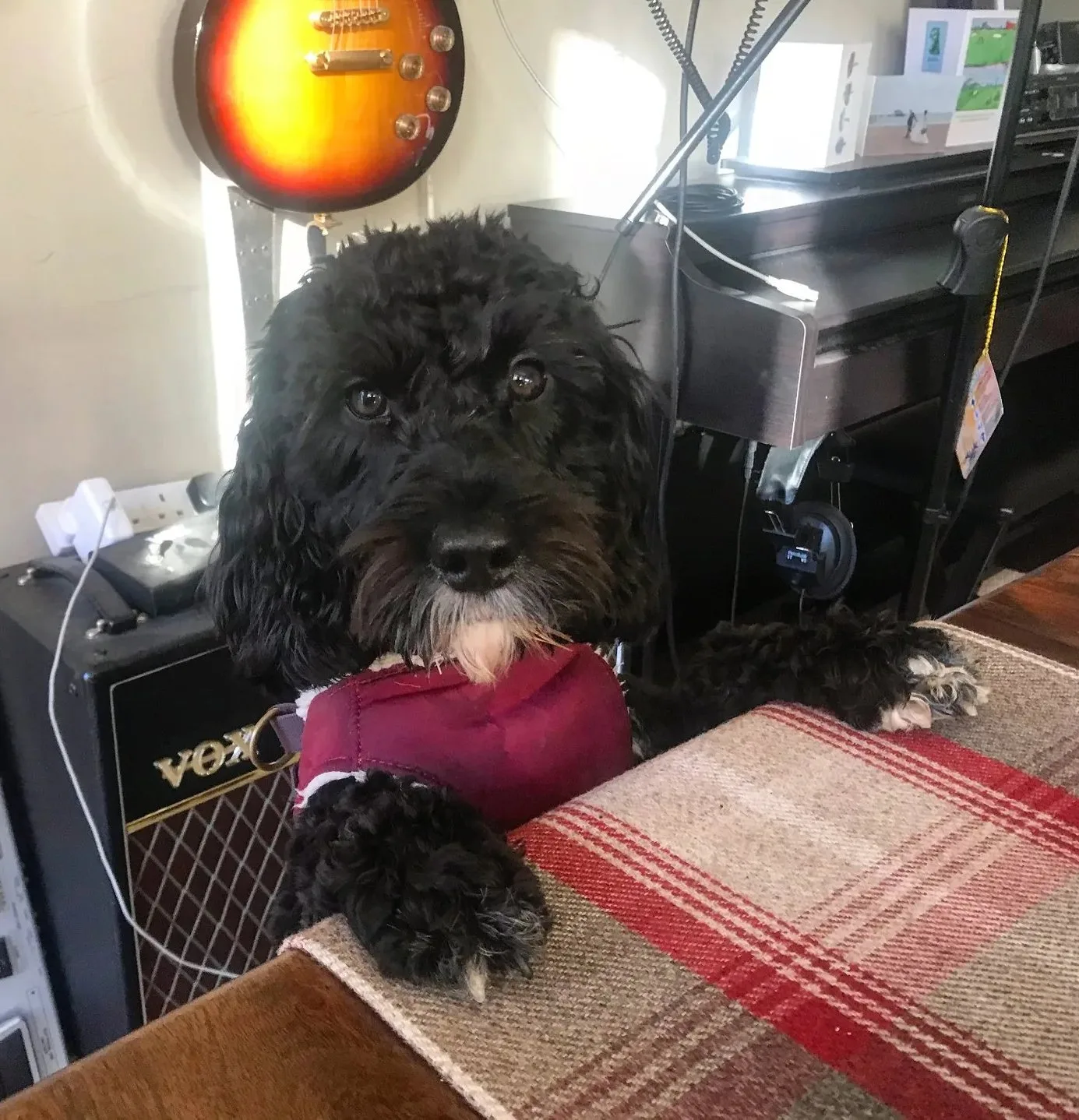
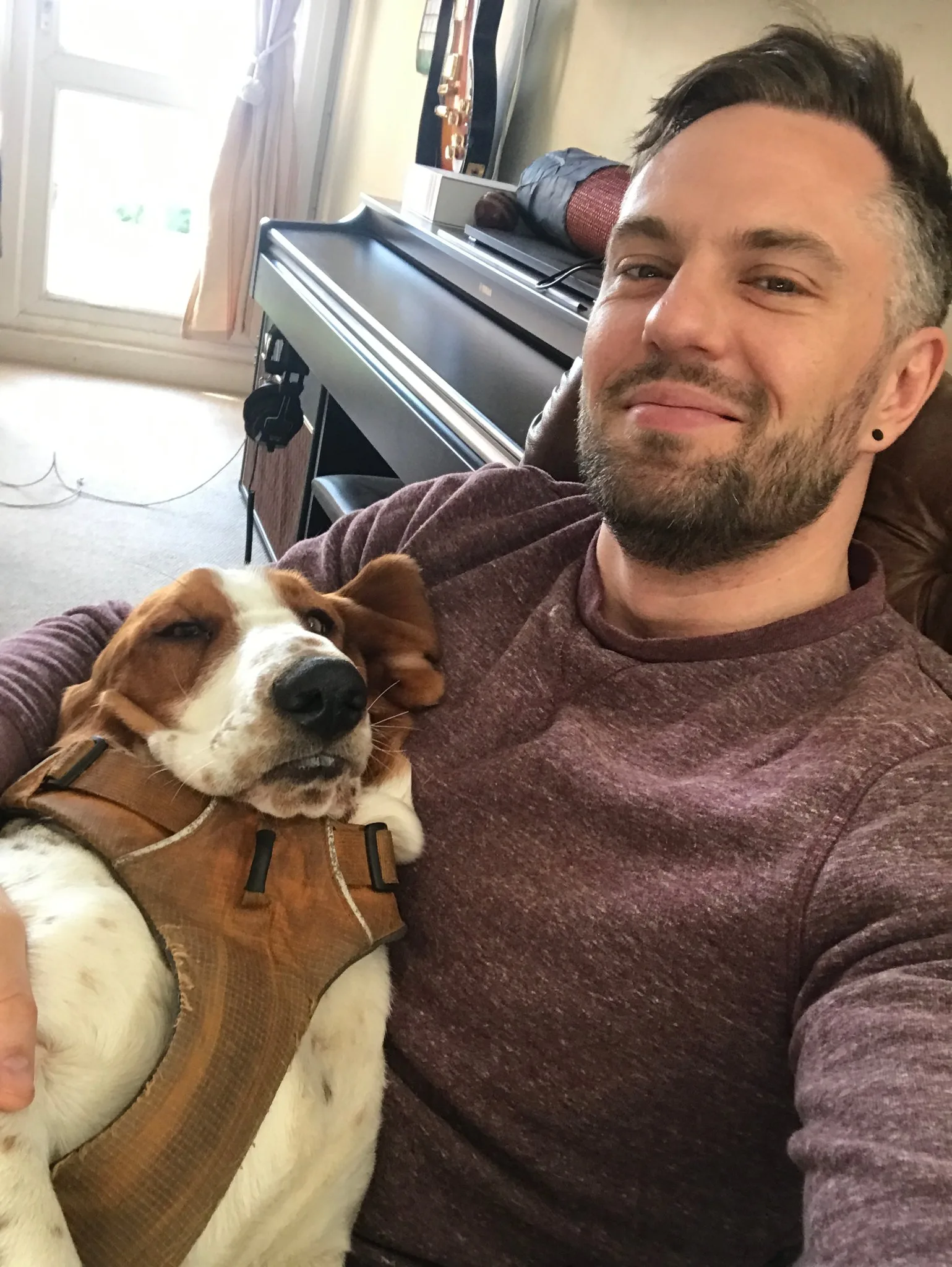
DogBuddy didn’t require much in the way of documentation, safety checks, or qualifications. However, once I was consistently looking after four dogs a day, I decided to make sure I was doing as much as I could by the book. First, my local council only lets you walk four dogs at a time, which I stuck to. I found a local vet and put together an emergency plan in case something went wrong, I bought insurance, and I followed the council’s guidance on making my home suitable for dog sitting.
I used baby gates to section off rooms into feeding, relaxation, play areas, and quarantine (if a dog was sick). Baby gates were great (other than for naughty cockapoos who can jump really high), because the dogs could still see you through the gate, which created much less separation anxiety.
Then things grew again. I was being asked to look after up to eight dogs a day, which meant I had to start interviewing for temporary help. I actually went onto the DogBuddy app and messaged local people to ask if they could come and help me for one to two hours a day. And then the issues began. While only 40% of the property was being used for the dogs, four to eight people were visiting the property each day, and the constant ins and outs for walking were getting noticed. I received a letter asking me to stop. Instead, I started looking for a commercial premises to move into.
A Crash Course Into The High Street
I looked around several commercial properties, as well as residential ones that were more secluded, where I could still use around 40% of the property space. I spoke to the council about a professional licence, and I looked at my competition. The long and the short of it is that, at the time, no one was doing this to the standards the council had set out. And the reason is simple: the council didn’t have the resources to properly check, and if someone did try to fully stick to the standards, they’d either make no money or have to charge so much per client that they’d have no clients.
The trouble is that you need a certain amount of space for each dog based on their size (which is fairly arbitrary — small, medium, large). You need to do fairly extensive checks on each dog, and you need all of those designated spaces I mentioned earlier, each with the right amount of space per dog. It’s a typical case of the letter of the law losing the spirit of the law, combined with no real enforcement resources behind it.
The companies that were getting away with not sticking to the rules did have some clear advantages. They often owned residential properties they’d had for 20+ years, which were secluded and had large outdoor areas. That meant that even if they didn’t follow the rules, who was going to complain? They’d been running for over a decade. Even though clients told me they’d used them before and found me because they didn’t like how big and unsafe those operations felt, those same clients weren’t actually willing to pay the higher prices needed to deliver the facilities they said they wanted.
After about a year, I decided I was going to have to say goodbye to my fluffy companions and concentrate on a different project. Moreover, BucketRace was becoming busier and busier, and I was struggling to balance both workloads. So in May 2019, I closed the door on Philease Dogg (which, given the pandemic — when no one would have needed dog sitting or walking — turned out to be lucky timing) and focused fully on BucketRace.
Technologies
Insights
| Wins | Helped dogs.Profitable.Nice memories.Good experience (for starting disabled dog charity). | |
| Losses | My furniture.Time. | |
| Takeaways | Solving a real problem, at the right price, drives demand.Solo success ≠ scale.Start as you mean to go on.Trust compounds.Word of mouth works. |