Drew Brees is back in the spotlight, and New Orleans is leaning in
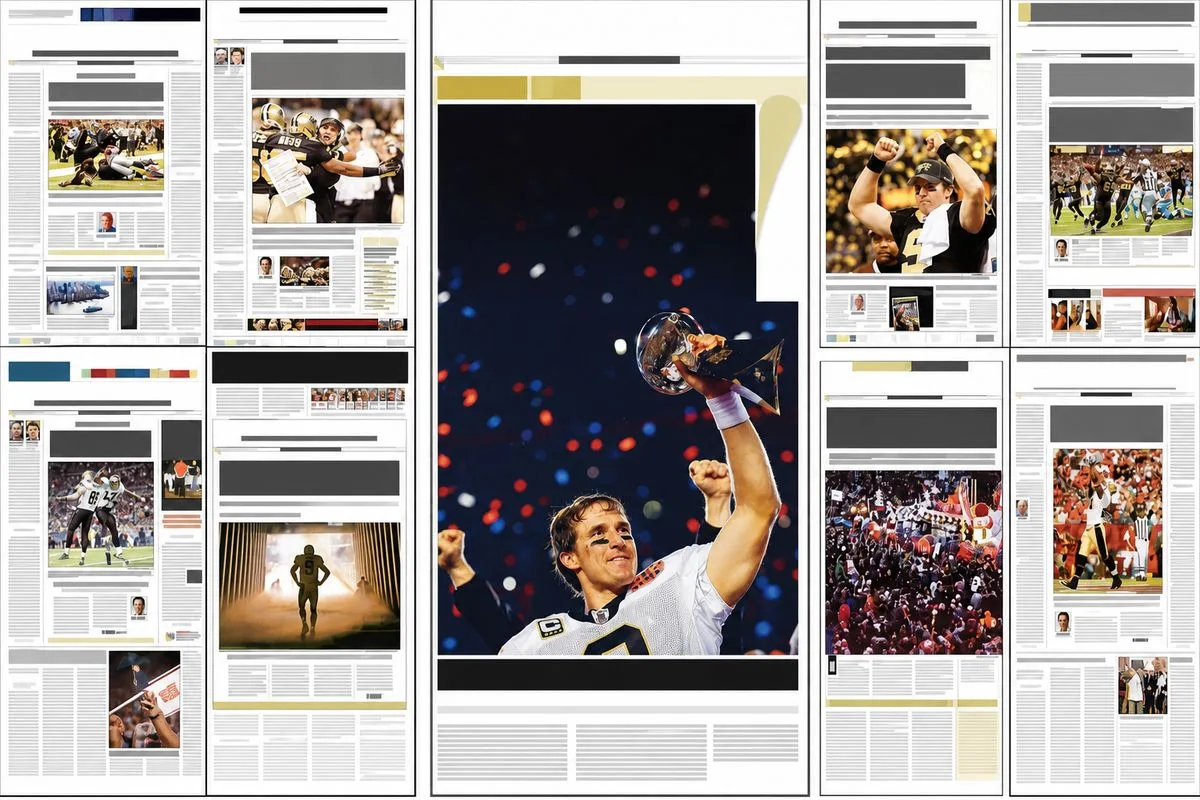
Drew Brees does not need another chapter to prove anything. And yet, in 2026, his story is getting a fresh surge of attention, not because of a comeback rumour or a hot take, but because the Saints and their wider media ecosystem are actively re surfacing the era that made him a civic icon. The clearest signal comes from a newly promoted collection of New Orleans Saints 2009 newspaper headlines, curated as a run from Week 1 all the way to the Super Bowl XLIV victory. It is not exactly subtle. This is an invitation to relive the season that permanently rewired the franchise’s identity.
That matters because 2009 is not just a nostalgic highlight reel. It is the spine of the Drew Brees legacy in New Orleans. The headline archive, presented as a week by week journey, effectively frames the season as a narrative, the kind that turns a great quarterback into a symbol. And in 2026, with Brees being publicly celebrated again in football circles, that framing lands differently. It reads less like a scrapbook and more like a reminder of what elite quarterback play looks like when it is welded to a city’s sense of itself.
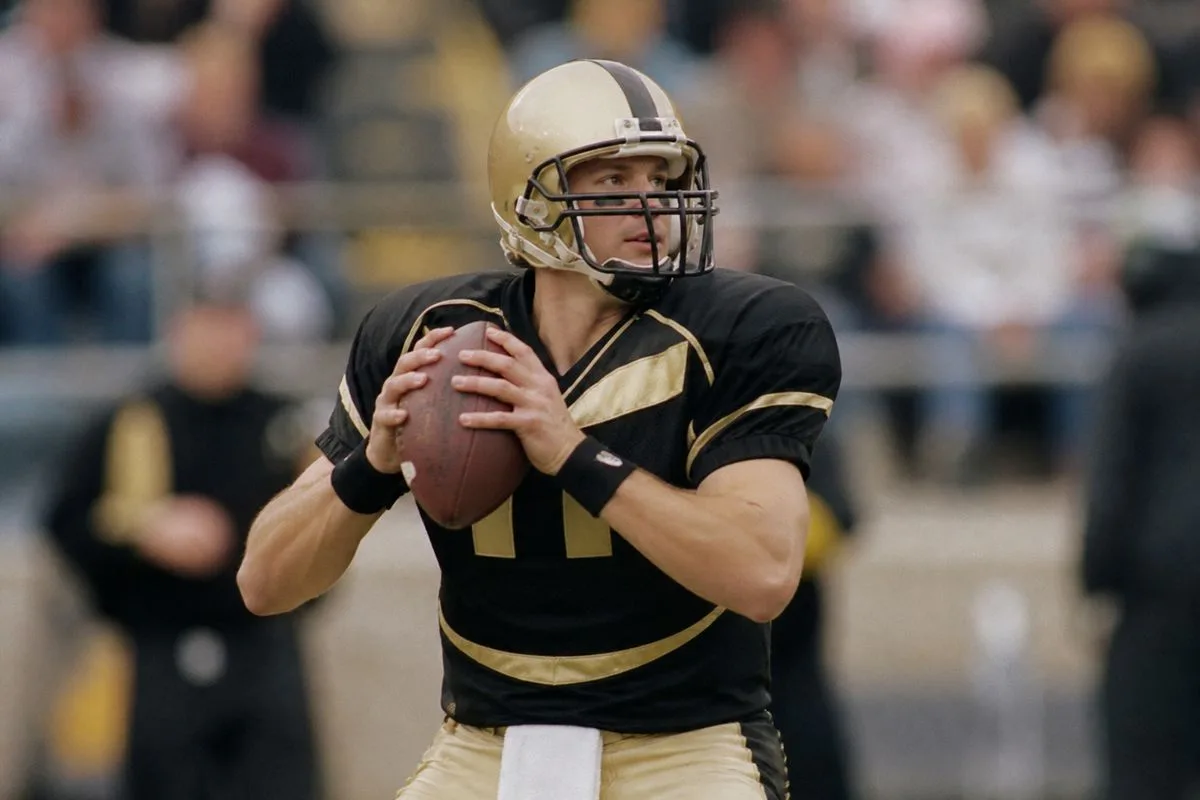
The timing is also telling. In the broader conversation around Brees this year, there is renewed focus on his career arc, from his college days at Purdue to being drafted in 2001 in the second round as the first pick of that round by the then San Diego franchise, now Los Angeles. Those are the basic biographical markers that keep resurfacing in sports bios. But the headline collection is about something else entirely. It is about the Saints years, and specifically the 2009 Saints, the season that still functions as New Orleans’ emotional shorthand for belief.
The specific development: a 2009 headline archive that re frames the Drew Brees era
The central news development here is the publication and promotion of a dedicated set of pages collecting New Orleans Saints 2009 newspaper headlines, organised from the opening week of the season through to the Super Bowl XLIV win. The source material describes it plainly as a collection of 2009 headlines, presented as a continuous run to the championship. There is no claim of newly discovered reporting or previously unseen interviews. The value is in the curation, the sequencing, and the way it encourages readers to experience the season as it unfolded in real time.
That might sound modest, but it is not. Sports memory is usually consumed backwards, through documentaries, anniversary panels, and social media clips that flatten everything into a few famous moments. A week by week headline archive does the opposite. It restores uncertainty. It brings back the rhythm of a season, the small swings in confidence, the local obsessions, the injuries and debates that felt enormous at the time. And because Brees is the quarterback at the centre of that season, the archive inevitably becomes a Drew Brees artefact, even if it is technically a Saints artefact.
There is also a practical media angle. Newspapers and local outlets increasingly package their own historical coverage as a product, not just as a record. In an era when audiences bounce between platforms and attention spans are short, a curated archive is a way to keep readers on a single narrative track. It is also a way to reassert local authority. National coverage can tell you Brees is a legend. Local coverage can show you how it felt, week after week, when that legend was being built.
And yes, it is hard not to connect this kind of packaging to the broader 2026 moment for Brees. Public celebrations, fan conversations, and the constant churn of football history content all create demand. The archive meets that demand with something specific: contemporaneous headlines from the season that defined the Saints, and by extension, defined Brees in the public imagination.
Who is Drew Brees, and why his timeline still drives the conversation
At the basic level, Drew Brees is one of the most recognisable quarterbacks of his generation. The widely circulated biographical details remain consistent: he is born on 15 January 1979 in Austin, Texas; he plays college football at Purdue; and he enters the NFL in 2001, drafted in the second round as the first pick of that round by the Chargers franchise, now based in Los Angeles. Those facts are not the interesting part in 2026, but they are the foundation. They explain why his career always reads like a series of pivots rather than a straight line.
The Saints pivot is the one that matters most to New Orleans. Community discussion this year marks the anniversary of the Saints signing Brees on 14 March 2006, on a six year, 60 million dollar deal. That contract detail is important because it captures the scale of the bet at the time. It is easy to forget, in the glow of a Super Bowl title, that this was a franchise choosing a direction, and choosing it loudly. The money and the term signalled intent. The city received a quarterback, but it also received a promise of relevance.
By the time the 2009 season arrives, Brees is not just a talented passer. He is the engine of an operation that believes it can win every week. That is why a headline archive from that season is, effectively, a Brees archive. Quarterbacks do not simply play in these stories. They organise them. They become the weekly plot device, the reason a city wakes up on Monday feeling either ten feet tall or slightly sick.
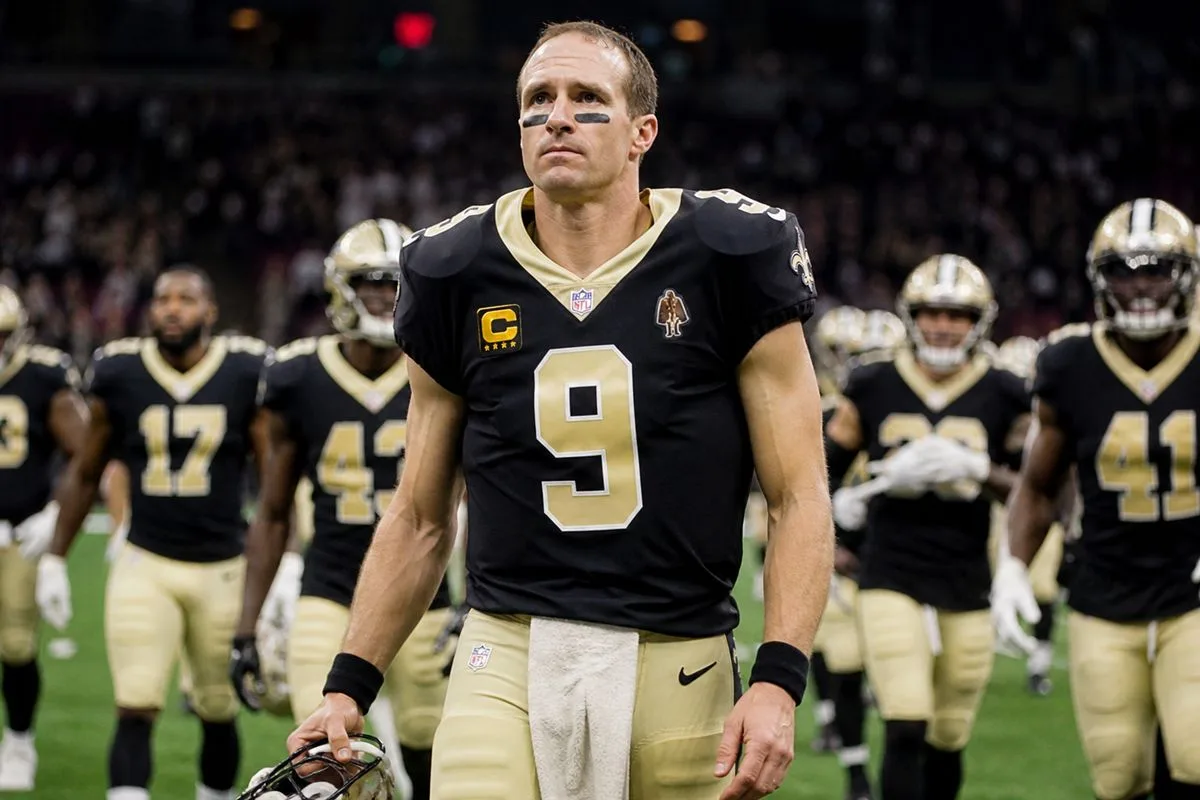
And the 2026 conversation around Brees is not limited to nostalgia. There are community discussions about him having considered returning to the NFL in a high stakes context and ultimately deciding not to. The specifics of that scenario are debated in fan spaces, but the underlying point is clear: even years after retirement, Brees still feels close enough to the present tense of football that people can imagine him stepping back in. That is the mark of a quarterback whose relevance does not fade neatly.
Why the 2009 Saints headlines still hit hard, and what they reveal about Drew Brees
The 2009 Saints season ends with a Super Bowl XLIV victory, and that single fact does a lot of work. Championships always do. But the reason the headline collection matters is that it captures the build up, the week by week accumulation of pressure and expectation. A Super Bowl win can be remembered as destiny after the fact. Living through it is different. The headlines, in sequence, recreate the sensation of momentum, and the creeping fear that momentum can vanish at any time.
For Brees, 2009 functions as a kind of proof of concept. Plenty of quarterbacks put up numbers. Fewer become the face of a franchise’s first championship era, particularly in a market where football is braided into local identity. The archive implicitly argues that Brees is not just the best player on the team, but the central character in a season long drama. That is why local headline framing matters. It shows what the city chose to emphasise each week, what it worried about, what it celebrated, and how it talked itself into believing.
There is also a media literacy point here. Headlines are not neutral. They are a snapshot of what editors think readers care about, and what they think will sell the story of the week. A curated headline run becomes a map of collective attention. In 2009, that attention is inevitably pulled towards the quarterback. That is not because football is simplistic, but because quarterback play is the easiest way to narrate a season. Brees provides the through line. The archive makes that visible.
And in 2026, revisiting 2009 is not just about warm feelings. It is also about contrast. The modern NFL is louder, more fragmented, and more transactional. Players move. Coaches churn. Fan attention is split across endless content streams. A week by week newspaper headline journey from 2009 feels almost quaint, but in a good way. It reminds readers of a time when the local paper’s framing was a primary lens, and when a quarterback could anchor a city’s sports conversation for months without it dissolving into a thousand competing narratives.
What this means for the Saints, the NFL, and the business of sports memory
There is a broader industry story hiding in what looks like a simple archive. Sports organisations and local media are increasingly in the business of memory management. Not in a sinister way, just in a practical one. Attention is scarce, and history is an asset. Packaging a season as a curated journey is a way to monetise and extend interest, but it is also a way to reinforce brand identity. For the Saints, 2009 is not merely a past success. It is the franchise’s clearest modern proof that it can reach the top of the sport.
For the NFL ecosystem, Brees remains a useful figure because his career intersects with multiple narratives that still sell: the drafted quarterback who becomes elite, the franchise changing signing, the championship run, and the enduring post career relevance. Even basic bio details, like being drafted in 2001 and signing with New Orleans in 2006, help anchor timelines for fans who measure eras by quarterbacks. That is why Brees content keeps circulating. It is a way to organise the chaos of two decades of football history into a story people can follow.
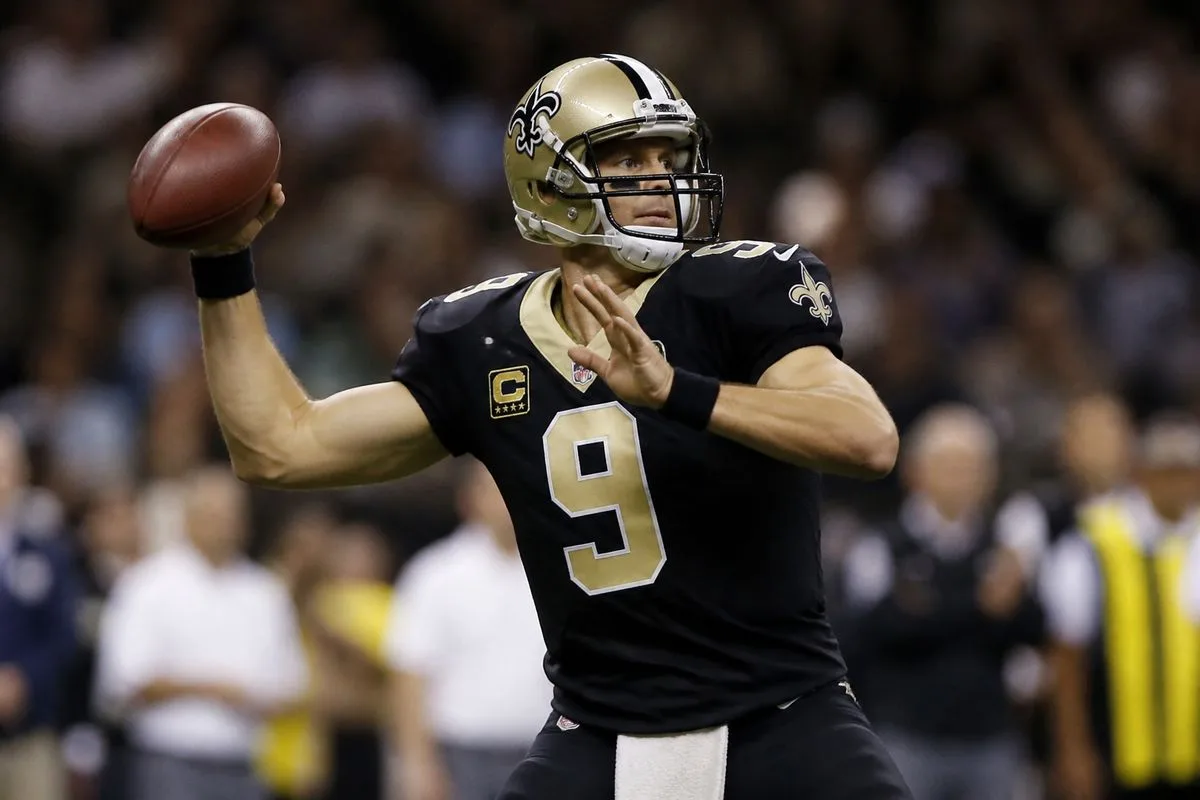
There is also a subtle point about local versus national storytelling. National outlets often compress legacies into a few defining achievements. Local storytelling tends to be messier and more intimate. A headline archive is local storytelling in its rawest form. It does not pretend the season is a neat documentary arc. It shows the week to week mood swings. That is valuable because it humanises greatness. It reminds readers that even a championship season is full of doubt, noise, and argument.
And for fans, this kind of archive scratches a particular itch. It is not just about watching highlights. It is about remembering who they were at the time, where they watched games, what they argued about at work on Monday morning. Brees is central to that memory. When people search for him in 2026, they are often searching for themselves too, or at least for the version of their fandom that felt most alive.
Drew Brees in 2026: legacy conversations, public celebration, and the pull of “what if”
Even without leaning on unverified chatter, it is clear that 2026 is a year when Brees is being talked about in multiple registers at once. On one hand, there is the formal celebration mode, the kind of recognition that tends to come in waves once a player is eligible for the sport’s biggest honours. On the other, there is the informal fan mode, where discussions pop up about anniversaries, hypothetical returns, and the emotional weight of what Brees meant to the Saints.
That combination is powerful. Formal recognition tells the public what history has decided. Informal conversation tells you what people still feel. The headline archive sits right between those two worlds. It is a piece of history, but it is also a prompt for present day emotion. It says, in effect, here is the season again, go and live in it for a while. And because it is built from headlines rather than retrospective essays, it feels immediate. It feels like the past is speaking in the present tense.
It also highlights something about Brees as a figure. He is not only remembered for talent, but for stability. The Saints signing in March 2006, the long tenure, the championship season in 2009, these are milestones that create a sense of continuity. In a sport where continuity is rare, that becomes part of the brand. Fans do not just remember what Brees did. They remember what it felt like to have him there, year after year, making the franchise feel coherent.
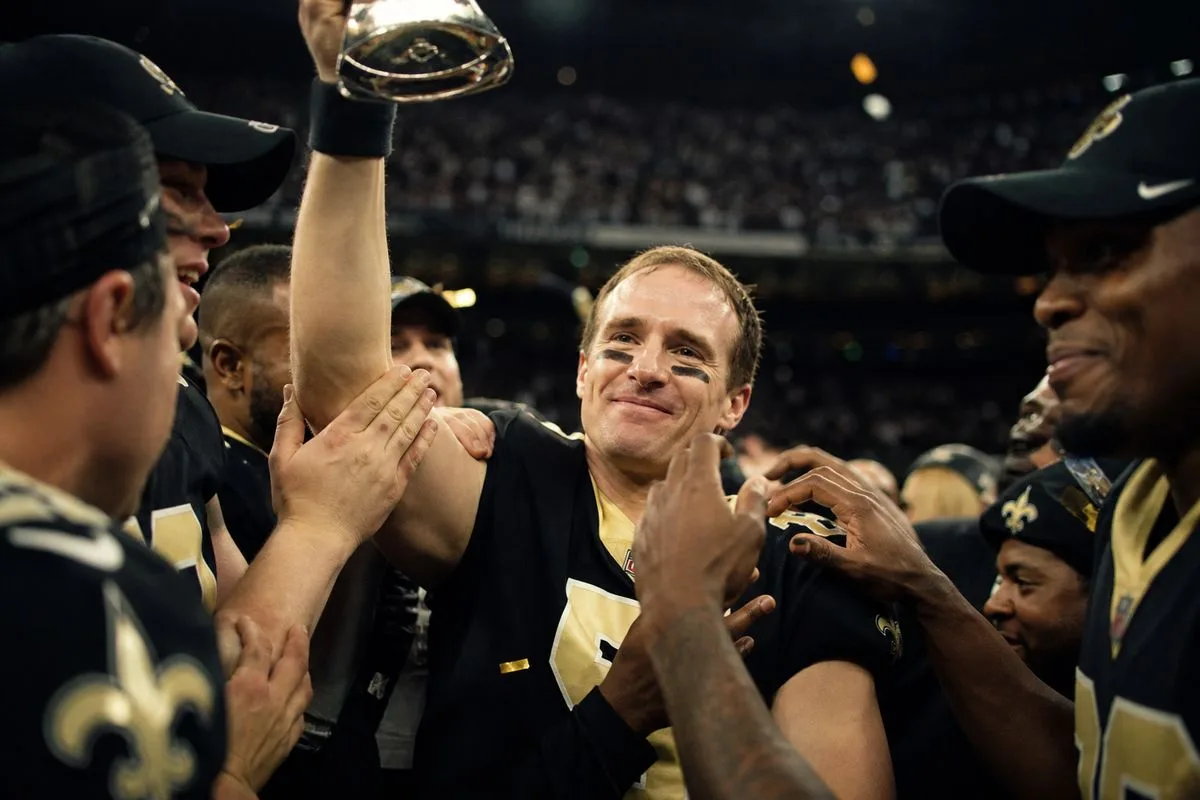
And then there is the “what if” gravity. Community discussions about Brees considering a return, even if only as a thought experiment, show how certain players never fully exit the stage. The idea persists because it is emotionally satisfying. It suggests that greatness can be summoned on demand. Real life does not work like that, fair enough, but fandom is not a courtroom. It is a place where possibility is always on the table.
What’s Next
The most likely next step in this Drew Brees moment is more structured commemoration, not less. Once an athlete’s career is firmly in the legacy phase, the content cycle tends to become seasonal: anniversaries of signings, anniversaries of playoff runs, and periodic re releases of historical material. The 2009 headline archive fits that pattern perfectly. It is modular, it is easy to revisit, and it can be re promoted whenever the calendar hits a meaningful date. Expect it to be used as a reference point whenever the Saints want to reconnect the present day team to the franchise’s most resonant modern achievement.
There is also a wider implication for how the Saints, and local media around them, handle the post Brees era. When a franchise has a defining quarterback, everything after him is compared to him, sometimes unfairly. Curated history can help with that, if it is used wisely. It can remind fans that the 2009 title was the product of a whole organisation, not just one arm and one brain. But it can also raise the bar in a way that makes patience harder. The more vividly 2009 is remembered, the more intense the demand becomes for the next version of that feeling.
For the NFL audience at large, Brees content in 2026 is likely to keep performing well because it sits at the intersection of education and emotion. Younger fans want context. Older fans want validation that what they watched was special. A week by week headline journey provides both. And if the league continues to lean into nostalgia as a business strategy, expect more of these curated archives, not just for Brees and the Saints, but for other era defining quarterbacks too. The difference is that New Orleans has a particularly tight bond with its championship season. That bond makes Brees related storytelling unusually sticky.
Closing thoughts: the point of revisiting Drew Brees is not to live in the past
It is tempting to treat a 2009 headline archive as pure nostalgia, a comfort blanket for fans who miss the certainty of the Brees years. But that undersells what this kind of project does. It restores the texture of a season. It shows how belief is built, how pressure accumulates, how a city talks itself through the long weeks between September and a Super Bowl parade. And because Drew Brees is the quarterback at the centre of that run, it inevitably becomes a fresh lens on his legacy.
The other point is simpler. Great sports stories are not just about the final score. They are about the week to week life around the team, the arguments, the optimism, the dread, the sudden joy. A curated set of headlines captures that better than almost anything else. It is messy and immediate and sometimes dramatic, which is exactly how it felt at the time. In 2026, with Brees being celebrated again and his career timeline being revisited, that immediacy is the hook.
And maybe that is why the Drew Brees story keeps resurfacing. Not because people have run out of new things to talk about, but because his best years in New Orleans still function as a reference point for what a franchise can become when everything clicks. The archive does not just say, remember this. It says, this is what it looked like when it happened. That is a big deal. It always is.