
Glastonbury 2027 is announced, so what should fans actually do now?
Anyone searching for glastonbury 2027 is usually trying to answer one of two questions. First, is it really happening after the fallow year, and when? Second, is the lineup strong enough to justify the cost and the chaos, especially now tickets have crossed a psychological line.
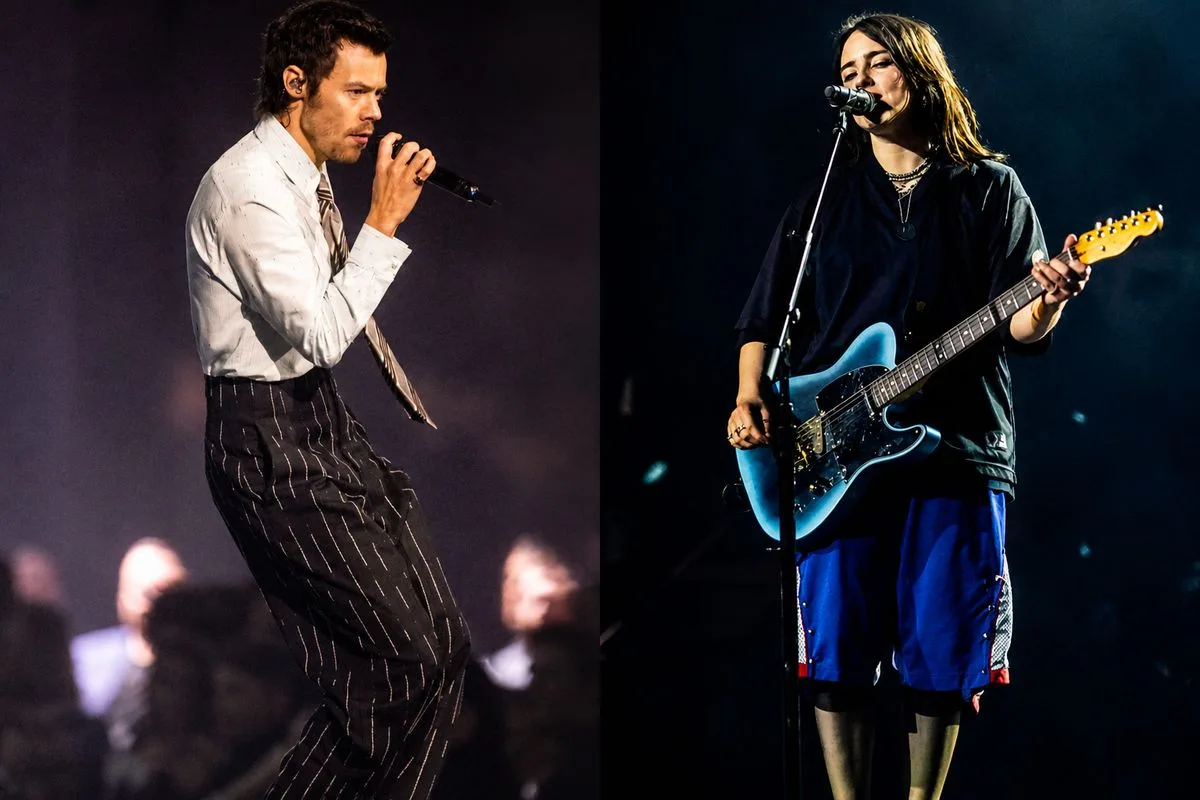
On 18 November 2026, the festival’s organisers and major music press effectively move the conversation on from rumour to reality. The headline news is simple and huge: Harry Styles, Billie Eilish, Sam Fender, and Cher are named as top-line names for Glastonbury 2027, with Cher taking the traditional Sunday “legends” slot. The festival is confirmed to run 23 to 27 June 2027 at Worthy Farm in Pilton.
But the more interesting bit is what this lineup signals. It is a post-fallow-year reset, with a bill that leans hard into modern pop stardom, big British songwriting, and a heritage moment designed to cut through the noise. And it lands in a year when the ticket price nudges past £400. That changes the decision-making for a lot of people, even the diehards.
Glastonbury 2027 dates, location, and the big headline development
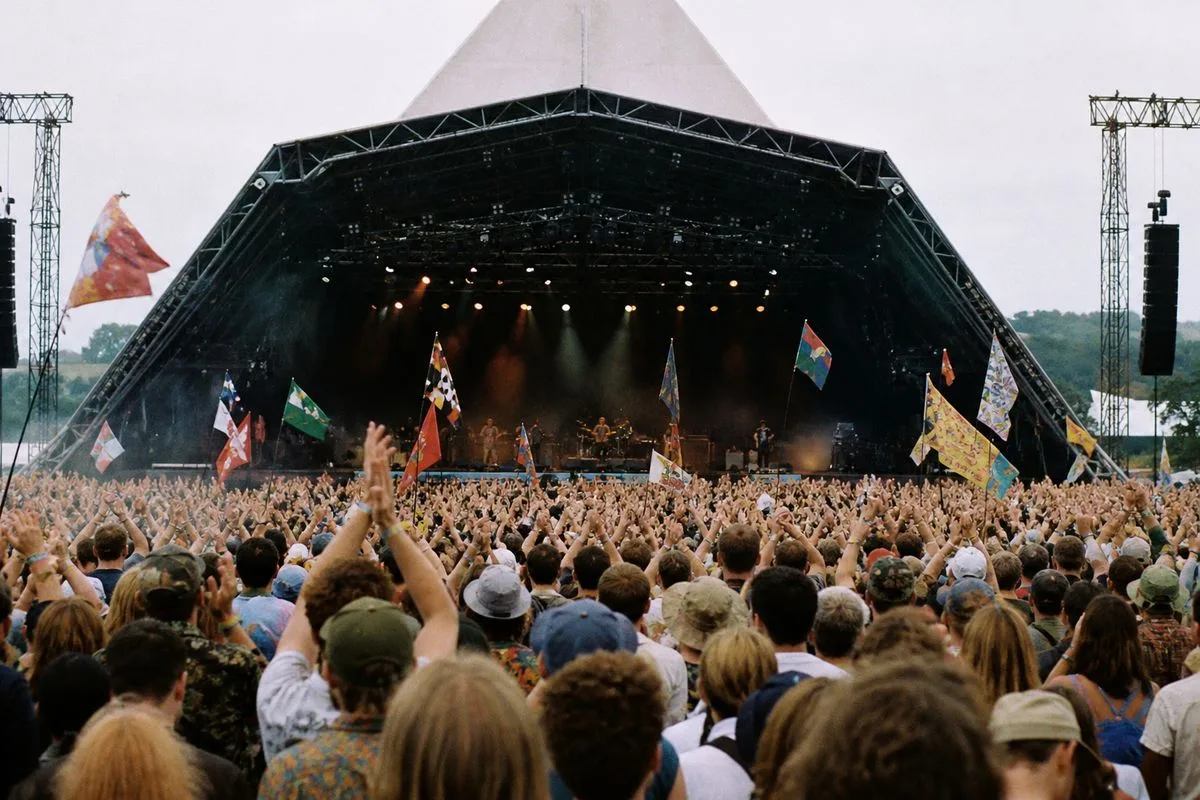
The concrete details are now on the table. Glastonbury 2027 runs from Wednesday 23 June to Sunday 27 June 2027, returning to Worthy Farm after the festival’s customary fallow year. That fallow year matters, not just symbolically. It is part of how the site recovers and how the festival sustains itself long term. And yes, it also builds anticipation, which never hurts.
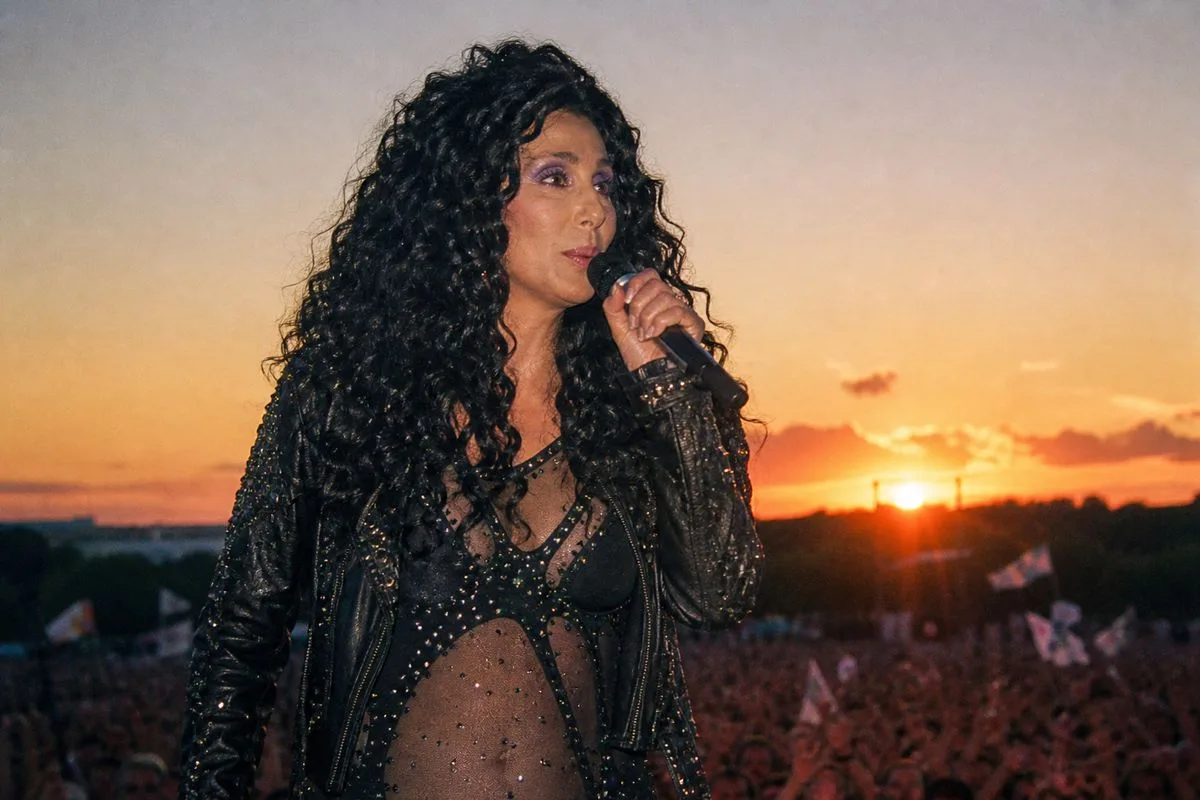
The headline development is the early reveal of major names. According to the announcement covered on 18 November 2026, Harry Styles and Billie Eilish are positioned as Pyramid Stage headliners, with Sam Fender also named among the headliners. Cher is booked for the Sunday legends slot, and that is not a throwaway booking. She has not toured since 2020, which makes this a genuine event rather than a routine festival circuit stop.
There is also a wider spread of artists already mentioned, including Massive Attack, Sombr, Lily Allen, the XX, Robyn, Chvrches, Kacey Musgraves, Lola Young, and Adéla. More names are promised in the new year. In other words, this is an early “taster”, not the full poster, and the organisers are being explicit about that.
And then there is the money. Ticket prices for 2027 are £408, up from £378.50 in 2025, and the sale date cited is 4 October, when tickets sold out instantly. That price point and that speed of sell-out are the context for everything else. Glastonbury is not just a festival now, it is a competitive purchase decision.
Glastonbury 2027 vs the rumour mill: what’s confirmed, what’s not
Glastonbury has always had a parallel festival running alongside it, the one that exists purely in group chats and comment threads. This year is no different. The early lineup reveal does two things at once. It gives fans something real to plan around, and it shuts down some of the louder speculation.
Most notably, the announcement “puts to bed” rumours that Oasis and Madonna might headline. That matters because both names carry a particular kind of Glastonbury fantasy. Oasis would be a Britpop-era cultural moment. Madonna would be a pop spectacle with decades of hits. But the reality, as framed in the coverage, is that Madonna is instead heading to Coachella in April, while Oasis have their own global tour beginning in May. Scheduling, exclusivity, and simple logistics still rule the day, even for Glastonbury.
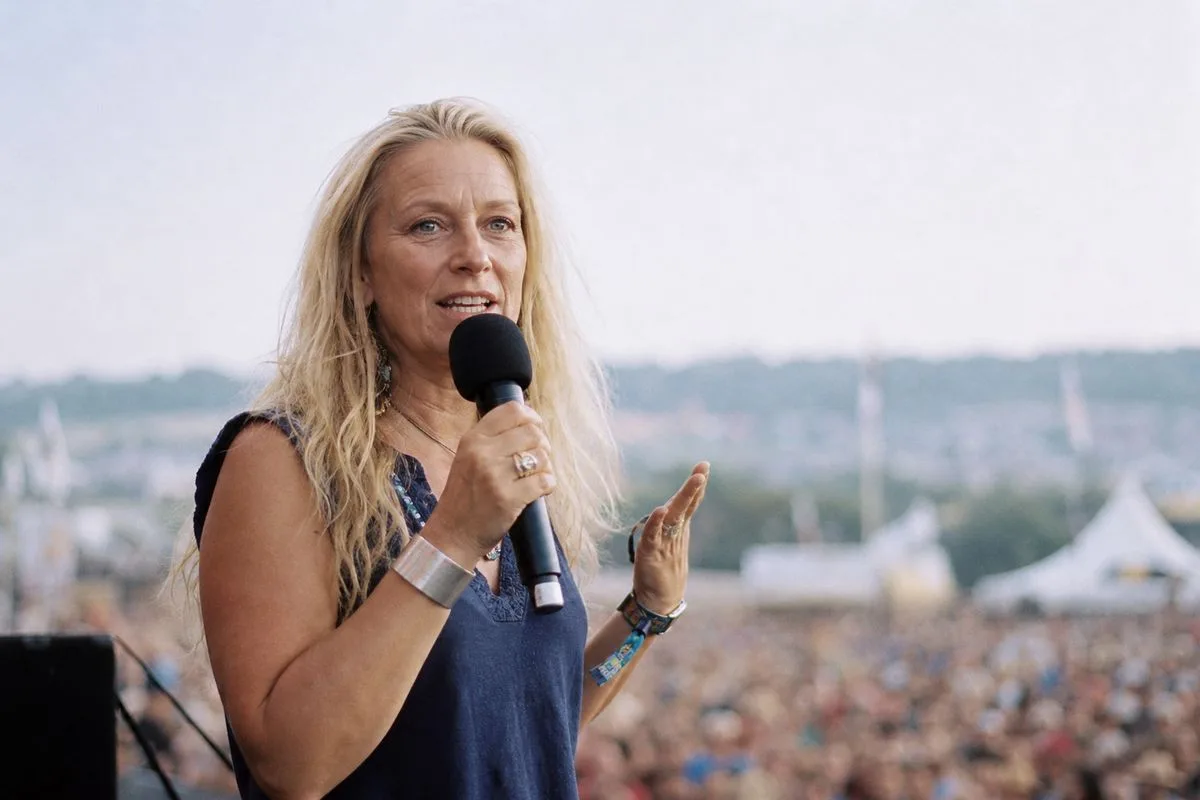
What is confirmed is the organisers’ intent to share more names later. Emily Eavis, speaking via an Instagram post quoted in the coverage, says they are “so happy” to be coming back after the fallow year and that more names will arrive in the new year. That is classic Glastonbury communications strategy. Give people a strong first wave, keep the rest back, and let anticipation do some of the marketing work.
What is not confirmed, at least from the material available here, is the full stage-by-stage breakdown, day splits, or how the rest of the bill balances across genres. The early list is broad, but it is still selective. Anyone expecting a complete poster right now is going to be waiting a bit longer.
Glastonbury 2027 headliners compared: Styles vs Eilish vs Fender vs Cher
It is tempting to treat “headliners” as one blob, but Glastonbury does not book that way. Each top-line name is chosen for a different job: shifting tickets, shaping the cultural narrative, and balancing the weekend’s emotional arc. So the useful comparison is not “who is biggest”, it is “what kind of Glastonbury moment does each one create”.
Harry Styles is the debut story. The coverage explicitly notes this will be his first appearance at Glastonbury. That is a big deal because it frames his set as a first-time cultural arrival on the Pyramid Stage, rather than a return or a victory lap. For fans, it is the “I was there when…” factor. For the festival, it is a way to pull in a huge pop audience without repeating a recent headline booking.
Billie Eilish is the return story. She is set for her second time at the top of the Pyramid Stage. That is rare enough to be notable, and it signals confidence that she can deliver a defining set again, not just a one-off moment. It also positions Glastonbury as aligned with contemporary global pop, not just heritage rock narratives.
Sam Fender is the British guitar story, the kind of booking that traditionally anchors the festival’s relationship with homegrown songwriting and big singalong choruses. The source material does not specify which night he headlines, but his inclusion alongside Styles and Eilish suggests the organisers are building a weekend that moves between pop spectacle and more band-led catharsis.
Cher is the heritage event, and the “legends” slot is its own category. It is not a consolation prize. It is a Sunday night communal moment, often multi-generational, and it tends to be one of the weekend’s most widely watched and talked-about sets. The fact she has not toured since 2020 adds weight. This is not just a booking, it is a statement.
| Artist | Role at Glastonbury 2027 | What it signals | Why it matters to fans |
|---|---|---|---|
| Harry Styles | Headline billing, debut appearance | A modern pop tentpole, first-time Pyramid narrative | A “first time” moment, high demand, broad appeal |
| Billie Eilish | Headline billing, second Pyramid top slot | Confidence in a repeat-defining set, global relevance | A proven live draw, likely headline-level production |
| Sam Fender | Headline billing | UK guitar songwriting at the centre of the weekend | Big crowd energy, anthems, homegrown pride |
| Cher | Sunday legends slot | Heritage booking with genuine rarity value | Multi-generational singalong, cultural moment factor |
Glastonbury 2027 lineup depth vs value: is £408 justified?
Here is the uncomfortable truth. The moment ticket prices break £400, the conversation changes. People still love Glastonbury, obviously. But they start doing mental maths. They compare it to other festivals, to city breaks, to a couple of arena gigs and a decent hotel. And fair enough, because £408 is not pocket change.
The organisers are, in effect, making a value argument through programming. You get a spread that already includes Massive Attack, Lily Allen, the XX, Robyn, Chvrches, and Kacey Musgraves, plus newer names like Lola Young and Adéla. That is a mix of legacy credibility and contemporary relevance, which is exactly what Glastonbury needs if it wants to feel like a cultural centre rather than a nostalgia park.
But value is not only about names. It is about density. Glastonbury is not a three-act festival. It is a sprawling, multi-stage ecosystem where the best set of the weekend might happen at 2pm somewhere you did not plan to be. The source material does not list stages or day splits, so it is impossible to quantify how stacked each day is yet. Still, the early reveal suggests the festival is going for breadth, not a narrow “three headliners plus filler” model.
There is also the sell-out reality. Tickets sold out instantly when they went on sale on 4 October. That does not prove value for every individual buyer, but it does show demand remains ferocious at this price. In market terms, Glastonbury can charge this because people will pay it. In fan terms, it raises the stakes. If someone is spending £408, they want fewer compromises, fewer “maybe it will be good” bookings, and more certainty that the weekend will deliver.
Glastonbury 2027 vs other 2027 festival choices: what’s the differentiator?
It is useful to compare Glastonbury 2027 to the alternative a lot of people quietly consider: skipping the mud and doing something else with the money. The coverage itself nods to the wider festival ecosystem by mentioning Coachella and the way major artists choose between competing commitments. That is the landscape now. Big artists are chess pieces, and festivals are making strategic bets.
Glastonbury’s differentiator is not that it has famous names. Plenty of festivals do. It is that Glastonbury can make a booking feel like a national conversation. A Harry Styles debut is not just a set, it is a headline. Billie Eilish returning to the Pyramid is not just a repeat, it is a statement about who gets to define the era. Cher in the legends slot is not just a crowd-pleaser, it is a piece of pop history placed right at the emotional end of the weekend.
Another differentiator is timing and tradition. The festival runs 23 to 27 June 2027, and it returns after a fallow year. That “we’re back” energy is real. People who have been before know it. People who have not been before feel it through everyone else’s excitement. And the organisers are leaning into that, explicitly describing the return as “much-needed good times”. It is not exactly subtle, but it is effective.
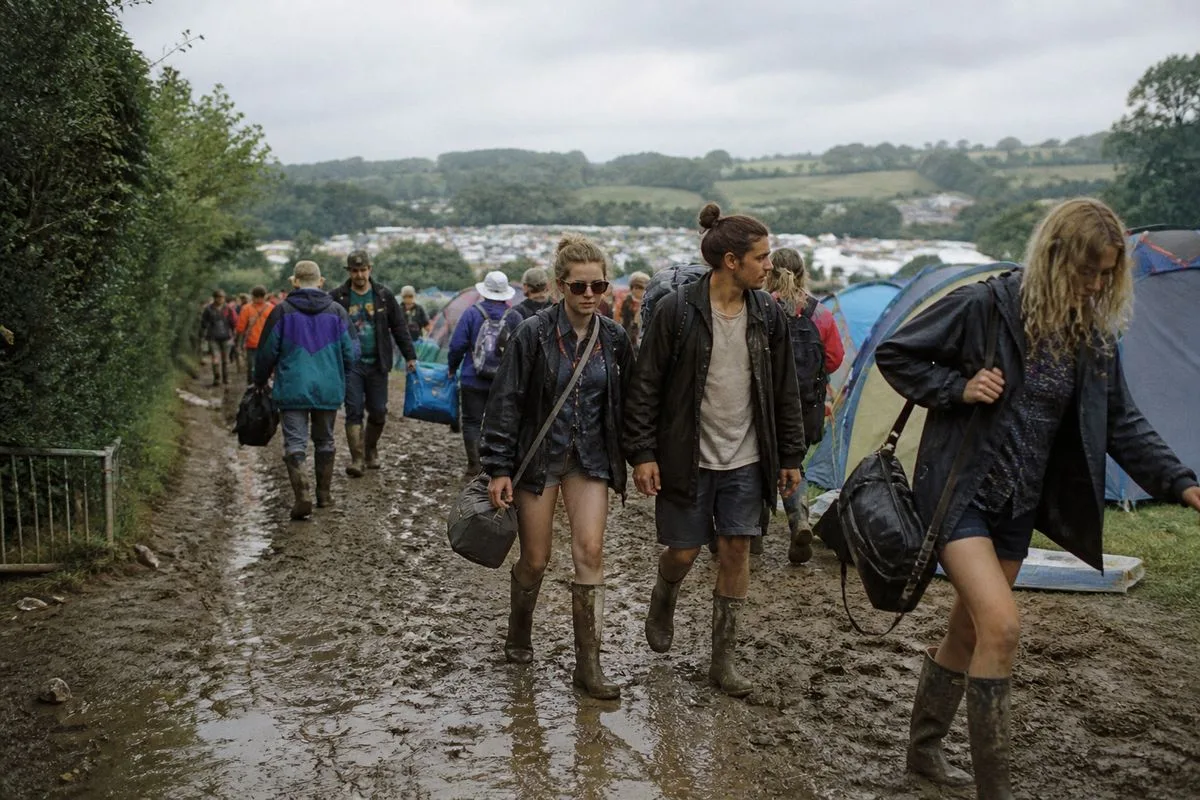
Still, there are trade-offs. Glastonbury is logistically intense. It is not a neat weekend in a city park. For some, that intensity is the point. For others, it is a reason to choose a different festival where the experience is more controlled. The key is to be honest about what kind of weekend is being bought, not just which names are on the poster.
Pros and cons: committing to Glastonbury 2027 vs waiting for more lineup drops
Because the lineup is only partially revealed, many fans face a very Glastonbury-specific dilemma. Commit early based on the top line, or hold off emotionally until the full picture is clearer. Tickets are already sold out, so this is less about whether someone can still buy easily and more about whether they feel good about the decision, or whether they start eyeing resale routes and swaps.
To make it practical, it helps to compare two approaches. Option A is going all-in now, planning travel, time off work, and the whole kit. Option B is mentally parking it until the next wave of names arrives in the new year, and then deciding whether the festival feels like “must go” or “maybe skip”. Neither is wrong. They just suit different people.
| Decision approach | Pros | Cons |
|---|---|---|
| Commit now (based on early lineup) | Locks in excitement and planning, makes the most of the “return after fallow year” energy, strong top line already confirmed | Full bill not yet known, risk that personal favourites are missing, £408 price makes buyer’s remorse more painful |
| Wait for more names (new year announcements) | More information before emotionally committing, clearer sense of genre balance and depth, easier to judge overall value | Misses the early buzz, planning window shrinks, may feel like playing catch-up on logistics |
Pros (Glastonbury 2027, as currently shaped)
- Clear headline intent: Styles, Eilish, Fender, and Cher cover different audiences and different kinds of “moment”.
- Return after fallow year: the festival comes back with momentum and a sense of occasion.
- Early undercard signals breadth: names like Massive Attack, the XX, Robyn, Chvrches, and Kacey Musgraves suggest range rather than one-note programming.
Cons (and the bits to watch)
- Price pressure: £408 is a new level, and expectations rise with it.
- Incomplete picture: more acts are still to be announced, so it is hard to judge day-by-day strength.
- Rumours will keep swirling: even with Oasis and Madonna rumours dampened, speculation never really stops.
The Verdict on Glastonbury 2027: who this lineup is for, and who might want to sit it out
For fans who want Glastonbury to feel current, glastonbury 2027 is shaping up as a confident, modern edition. Harry Styles making his debut is the kind of booking that pulls in people who might not usually bother with the mud and the queues. Billie Eilish returning to headline again signals the organisers are not scared of repeating a contemporary pop headliner if they believe she can deliver. And Sam Fender gives the weekend a very British centre of gravity, the sort of set that turns a field into one massive choir.
Cher in the legends slot is the wild card that makes the whole thing feel bigger than a standard festival cycle. She has not toured since 2020, and that rarity value matters. It suggests Glastonbury is leaning into what it does best, creating moments that feel like they could only happen there, on that farm, on that Sunday night when everyone is exhausted and emotional and somehow still up for one more song.
Who might want to sit it out, or at least wait for the next announcement wave? Anyone for whom £408 feels like a stretch, and who needs the undercard to be absolutely stacked with personal favourites to justify it. The early list is promising, but it is not comprehensive. If someone’s festival happiness depends on specific scenes or niche genres, they should probably reserve judgement until the new year names land. That is not cynicism, it is just sensible budgeting.
Closing thoughts: what to watch next for Glastonbury 2027
The immediate story is the headliners, but the next phase is where the festival’s identity really shows. The organisers have said more names are coming in the new year. That is when the shape of the weekend becomes clearer, not just the peaks but the pathways between them. Which day feels strongest? Which stages get the most love? Does the lineup lean more electronic, more indie, more pop, more leftfield? Those details are what turn a headline into a lived experience.
In the meantime, the early signals are strong. The festival returns from its fallow year with a bill designed to cut across generations and tastes, and it does so at a higher price point than ever, £408. That combination, ambition plus cost, is the real story underneath the names. Glastonbury is betting that it can still feel essential. Based on the first wave, it probably can. But the next announcements will decide whether it feels merely big, or genuinely unmissable.
Either way, one thing is already clear. Glastonbury 2027 is not trying to be safe. It is trying to be talked about. And it will be.