
Side hustle covent garden, the name that now means two different London nights out
Search for side hustle covent garden in 2026 and a slightly odd thing happens. The phrase points to a very specific place, Side Hustle at The NoMad London on Bow Street, but it also collides with a second London venue that shares the same name, The Side Hustle near St Paul’s. For diners, theatre-goers, and corporate bookers, that overlap is not just a curiosity. It shapes expectations, pricing tolerance, and even how people plan an evening in the West End versus the City.
The immediate news hook is straightforward: Side Hustle at The NoMad is firmly established as a Covent Garden destination, positioned as the hotel’s “cool younger sibling” to its main restaurant, Atrium. The venue sits inside a building with serious history, the old Bow Street magistrates court, directly opposite the Royal Opera House. And while the hotel’s opening was delayed by Covid after being slated for Autumn 2020, the operation now looks like a fully formed, high-confidence play for London’s premium casual market.
At the same time, the events and venue hire market is seeing its own “Side Hustle” story. The Side Hustle, St Paul’s is newly partnered with Tagvenue, marketed as a compact, club-like bar with multiple hireable spaces, capacity up to 200 seated and 400 standing, and pricing that starts from £10 per person in some configurations. The shared naming is accidental, but the contrast is instructive: one “Side Hustle” sells a five-star hotel bar-restaurant experience in Covent Garden, the other sells bookable space and minimum spends in the City. London, in other words, is running two very different versions of the same idea.
What is actually happening at Side Hustle in Covent Garden in 2026
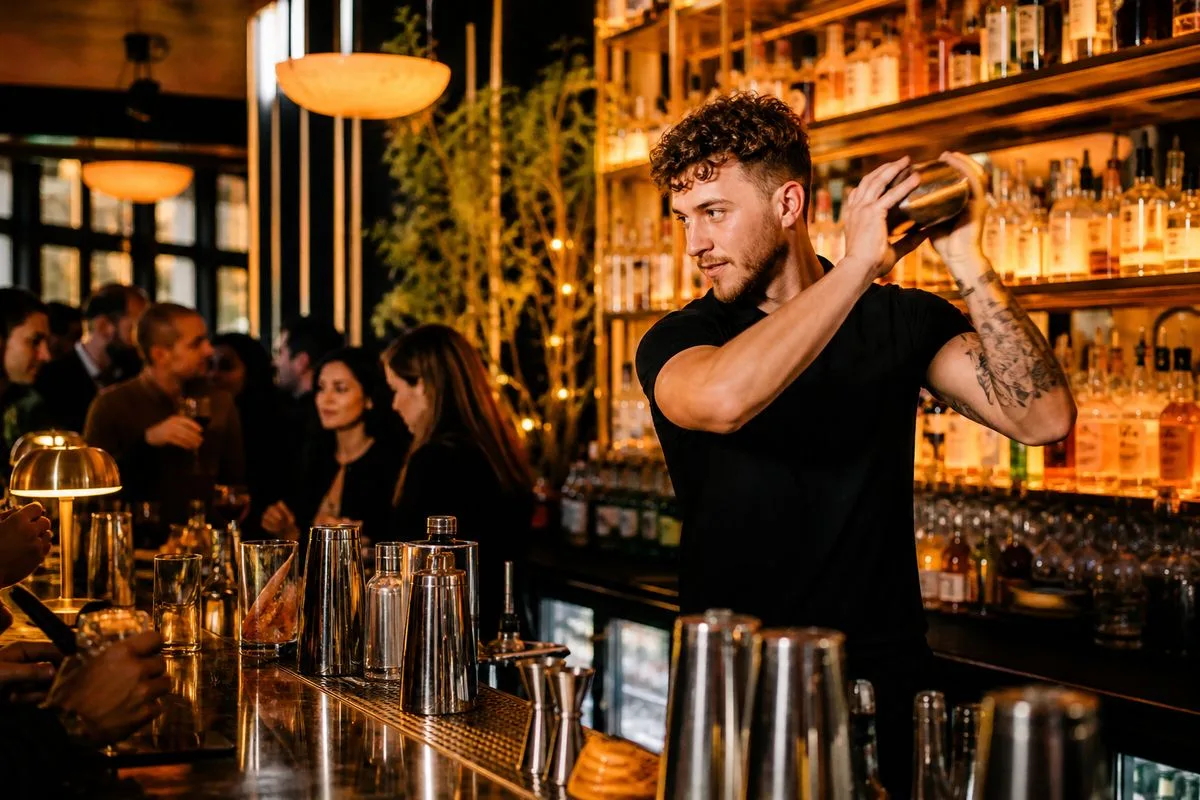
Side Hustle at The NoMad London is not presented as a bolt-on bar. It is a deliberate concept with its own identity: upscale, pub-inspired interiors paired with a distinctly Mexican-leaning food and cocktail programme. The Palate Magazine review frames it as a place where cocktails are a centrepiece, and where the menu has “real gems”. That matters because it signals intent. This is not a hotel bar that happens to serve food. It is a restaurant-bar hybrid designed to compete with destination venues across the West End.
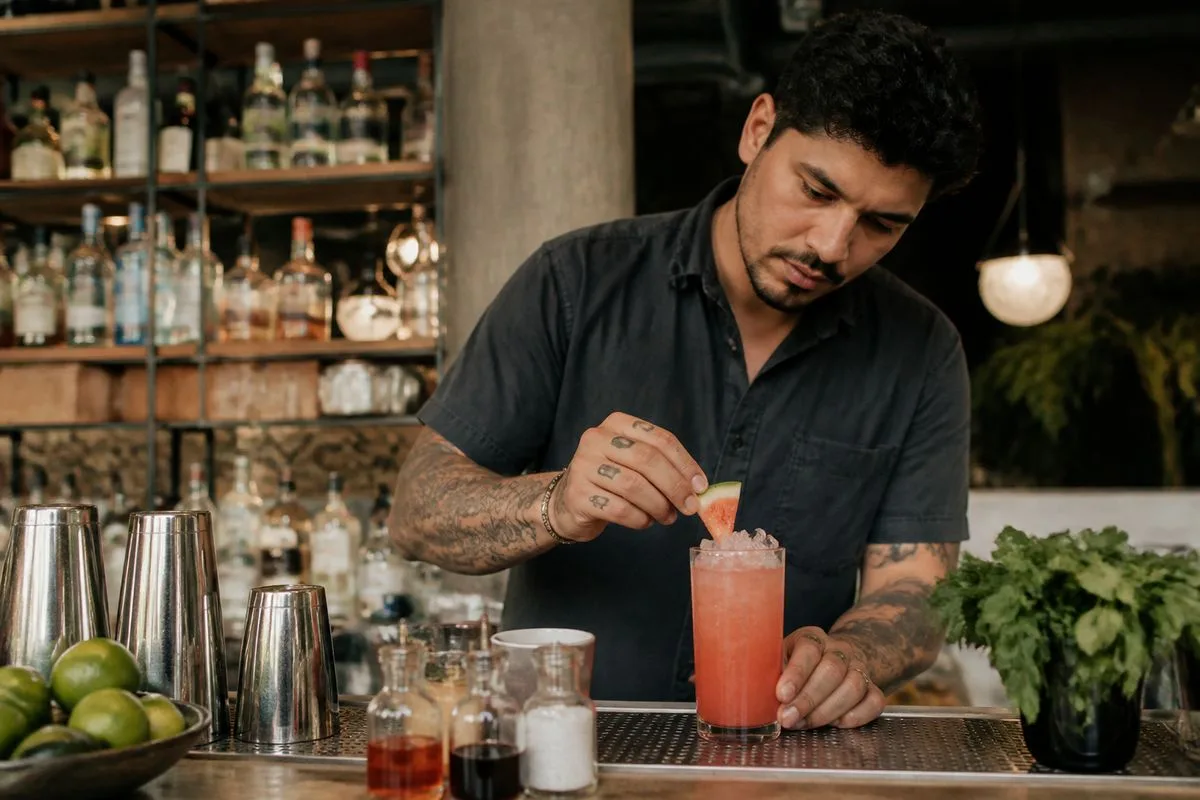
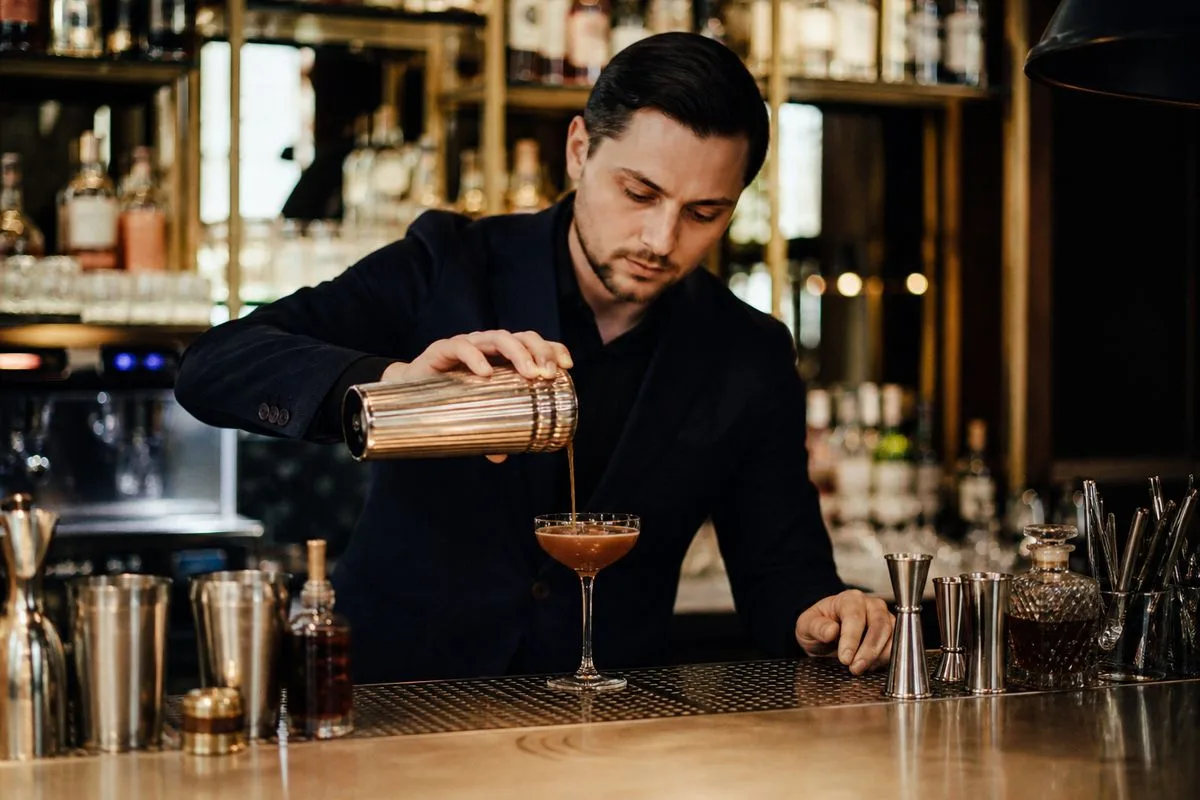
Pricing is part of the story, and it is not subtle. The review notes that “the vast majority of cocktails are priced at £16”. In a so-called casual sibling venue, even within a five-star hotel, that is described as “a little punchy”. But the same review also makes clear why the venue can attempt it: the cocktail programme is led by Leo Robitschek, described as a star bar director with links to Eleven Madison Park, Make it Nice, and NoMad New York. In London’s premium bar economy, that sort of leadership is not window dressing. It is the product.
The food detail reinforces the positioning. Dishes called out include pork belly with tomatillo and avocado salsa at £15 for four small slices, a prawn aguachile described as the “star of the show”, plus tacos and a trio of tostadas including octopus with potato, a vegetarian tostada with spiced aioli and tomato, and beef short rib with avocado. The review also notes desserts, specifically churros and an ice-cream sandwich, though the reviewer does not personally try them due to theatre tickets. That last detail is telling, because it places Side Hustle in a very specific Covent Garden rhythm: pre-theatre, post-theatre, and in-between.
Why Side Hustle Covent Garden is inseparable from The NoMad’s Bow Street story
It is hard to understand the appeal of Side Hustle without understanding the building and the neighbourhood. The NoMad London occupies the old Bow Street magistrates court, a site with built-in drama and a sense of London institutional history. And it faces the Royal Opera House, which effectively guarantees a steady flow of guests who already accept that an evening out in this part of town costs money. Covent Garden is not a bargain district, and it does not pretend to be.
The hotel itself is described as “London’s hottest new hotel”, and the timeline matters. The NoMad was originally slated to open in Autumn 2020, but Covid caused repeated delays. By 2026, that delayed opening has become part of the narrative: a long-awaited arrival that now needs to justify the hype. In that context, Side Hustle functions as more than a restaurant. It is a brand expression, a way to pull in non-residents who might never book a room but will happily book a table, order cocktails, and leave with a strong impression of the NoMad style.
There is also a strategic point here that often gets missed. Covent Garden is saturated with options, from long-standing pre-theatre institutions to trend-driven small plates concepts. A hotel venue cannot rely on footfall alone. It has to be a destination. By attaching Side Hustle to a recognisable “bar director” name and a clear flavour identity, The NoMad gives itself a fighting chance of being chosen on purpose, not by default.
Inside the menu and bar programme at Side Hustle Covent Garden, what the details reveal
The Palate Magazine review provides unusually specific texture, and that texture is where the business logic shows through. Take the Pandan Negroni. The reviewer is sceptical about “mucking around” with a classic, citing additions such as tequila, coconut water, and pandan. But the drink wins them over, described as delicious, balanced, and finishing with a delicate coffee flavour. That is not just a tasting note. It is evidence of a programme designed to take familiar formats and make them feel new, without losing credibility with people who care about the originals.
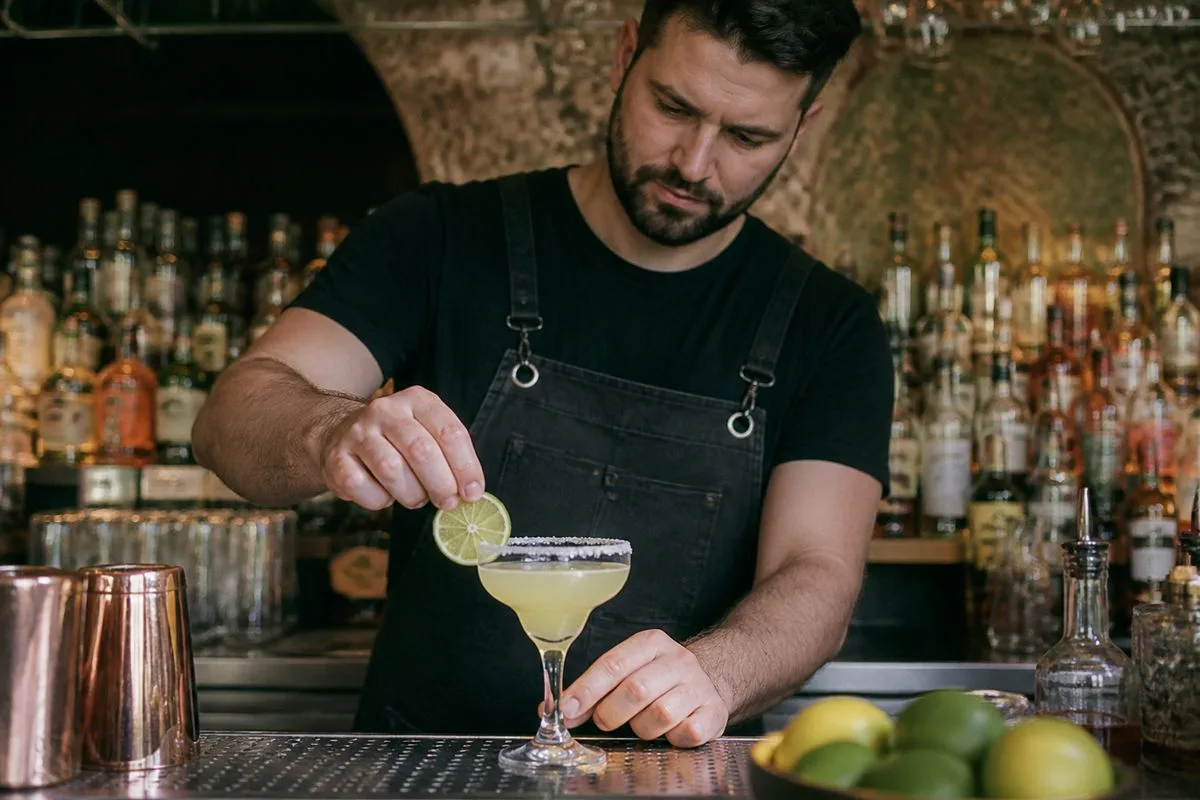
Then there is the Margarita, also priced at £16, which the reviewer finds less impressive and “slightly lacking in the flavour department”. That critique is important precisely because it is not a takedown of the whole list. It suggests Side Hustle is aiming high, sometimes hitting, sometimes missing. In premium hospitality, that can be acceptable, but only if the overall experience is strong enough to keep people coming back. The review explicitly praises service as “genuinely excellent”, which helps explain how a venue can sustain premium pricing even when not every item is a home run.
On food, the review highlights a familiar London tension: portion size versus price. The pork belly is described as four small slices for £15, but “perfect”, with crispy skin and juicy fat. The chicharrones are criticised for being “Christmas cracker in size” and a touch plain. The guacamole is “tasty enough” but not exceptional. And then the prawn aguachile arrives and changes the mood entirely, described as glorious, joyous, and profoundly pleasing in texture, with lime, pickled cucumber, and radish. That pattern is revealing. Side Hustle is not trying to be uniformly crowd-pleasing. It is trying to create spikes of delight, the sort of dishes people talk about afterwards.
The other “Side Hustle” in London, and why it matters to Covent Garden searchers
For anyone searching “side hustle covent garden”, the St Paul’s venue might feel like irrelevant noise. But in practice, shared naming affects consumer behaviour. People book the wrong place, message the wrong venue, or arrive with the wrong expectations. And in London, where a 20 minute cab ride can take someone from theatreland to the City, confusion is not hypothetical. It is operational.
The Side Hustle, St Paul’s is presented as a venue hire proposition first and foremost. It sits at 130 Wood Street, London, EC2V 6DL, near St Paul’s Station (listed as 0.1 miles away). It offers multiple hireable spaces, including Full Venue Hire with 200 seats and 400 standing, plus smaller areas such as Wilkinson (Gallery Bar) at 25 seats and 50 standing, and Bradey (Martini-Den) at 35 seats and 50 standing. There is also a Reserve Area with pricing shown “from £10 per person”.
The listing also includes operational details that matter to bookers: alcohol licence until 23:00, the possibility of an alcohol licence extension, and options around PA systems and playing music depending on the space. It even includes a seasonal commercial hook, a Christmas buffet menu priced at £25 per person for full venue hire with a minimum of 10 guests, with items ranging from brie and cranberry wontons to mini mince pies. In short, this is a different market. But the shared name means the Covent Garden Side Hustle is no longer competing only with nearby restaurants. It is competing with a broader set of associations that the phrase “Side Hustle” now carries in London hospitality.
What this tells us about London hospitality in 2026, premium casual, bookable spaces, and the price of a night out
Put the two “Side Hustle” stories side by side and a clear 2026 pattern emerges. London hospitality is splitting into two high-performing lanes. One lane is premium casual, where venues look relaxed but charge like they are not messing about. Side Hustle in Covent Garden fits that mould: a pub-inspired setting, Mexican-leaning menu, and £16 cocktails that dare customers to decide whether the experience is worth it. The other lane is bookable, modular event space, where the product is flexibility, capacity, and a clear minimum spend structure. The Side Hustle, St Paul’s is built for that.
It is tempting to treat these as separate worlds, but they feed each other. Corporate events and private hires train customers to accept minimum spends and per-head pricing as normal. Meanwhile, premium casual venues train customers to accept that “casual” does not mean cheap. The result is a city where the sticker shock moves upwards, and where value is judged less by raw price and more by whether the venue delivers a story people want to repeat.
There is also a branding lesson here, and it is not exactly groundbreaking, but it is a big deal. Names are not just names anymore. They are search terms, map pins, and message threads. When two venues share a name, the one with the clearer identity tends to win mindshare. Side Hustle in Covent Garden has a built-in identity anchor: The NoMad, Bow Street, and the Royal Opera House opposite. The Side Hustle, St Paul’s has a different anchor: capacity, hireable rooms, and a venue manager structure. Both can thrive, but only if they communicate clearly, consistently, and repeatedly.
How Side Hustle Covent Garden fits into the pre-theatre economy, and why timing shapes the menu
Covent Garden is not just a location, it is a timetable. People arrive before curtain up, they leave during intervals, they spill out after the final applause. The Palate Magazine review casually mentions theatre tickets as the reason dessert is skipped. That throwaway line is actually a sharp insight into how Side Hustle likely wins business: it is part of an evening plan, not necessarily the whole evening.
That context helps explain menu design choices. Dishes like tacos and tostadas are inherently modular. They can be ordered quickly, shared easily, and scaled up or down depending on how much time a table has. Even the critique about small slices of pork belly at £15 reads differently when time is tight. In a pre-theatre rush, customers often prioritise flavour impact and speed over volume. And when the service is “genuinely excellent”, as the review states, the venue can turn tables without making guests feel hurried (a delicate trick, but doable).
And then there is the cocktail programme. A Negroni variation that still respects balance, a margarita that perhaps needs more punch, and a list spanning mezcals, tequilas, and agave spirits. This is a drinks identity that fits the West End’s appetite for recognisable classics with a twist. People want something they can describe in one sentence to a friend. “Pandan Negroni” does that job nicely.
Practical takeaways for anyone searching “side hustle covent garden” right now
First, clarity: Side Hustle in Covent Garden refers to the venue inside The NoMad London at 28 Bow Street, positioned opposite the Royal Opera House. It is a restaurant-bar with a Mexican-leaning menu and a cocktail programme led by Leo Robitschek. If the goal is a West End night out, pre-theatre food, or a hotel bar experience that is trying to be a destination, this is the relevant result.
Second, expectations: pricing is premium. The source material explicitly states that most cocktails are £16, and that some dishes are priced in a way that makes portion size feel like part of the debate. That does not automatically mean poor value, but it does mean the venue is asking customers to pay for craft, setting, and service, not just ingredients. Anyone going in expecting a cheap and cheerful “side hustle” pun will have a rude awakening. Fair enough, but better to know upfront.
Third, the name collision: The Side Hustle, St Paul’s is a separate venue with a different purpose, geared towards venue hire and events, with capacities up to 400 standing and pricing structures such as minimum spends and per-person rates. If someone is booking for a group, especially a corporate crowd, it is worth double-checking which “Side Hustle” is being discussed internally. London teams have wasted more time on less.
Closing thoughts, a tale of two Side Hustles and a city that keeps raising the bar
The phrase “Side Hustle” started life as slang for a second income stream. In London hospitality, it has become something else: a brand signal that suggests energy, late-night mood, and a certain knowing wink. In Covent Garden, Side Hustle at The NoMad uses that signal to sell a premium casual experience, with a serious cocktail brain behind it and a menu that aims for memorable highs, especially on seafood and agave-led drinks.
Meanwhile, in the City, The Side Hustle near St Paul’s uses the same signal to sell bookable space, capacity, and a structured events offer, right down to a £25 per person Christmas buffet. Two venues, two business models, one name. Confusing at times, yes. But also a neat snapshot of London in 2026: a place where hospitality is both theatre and logistics, where value is argued over a £16 cocktail, and where the most important battleground might simply be what people type into a search box.
For anyone searching side hustle covent garden, the bottom line is simple. The Covent Garden venue is real, established, and designed to be talked about. And in this part of London, that is half the job.