Side Hustle Lounge becomes a two city talking point for cocktail culture
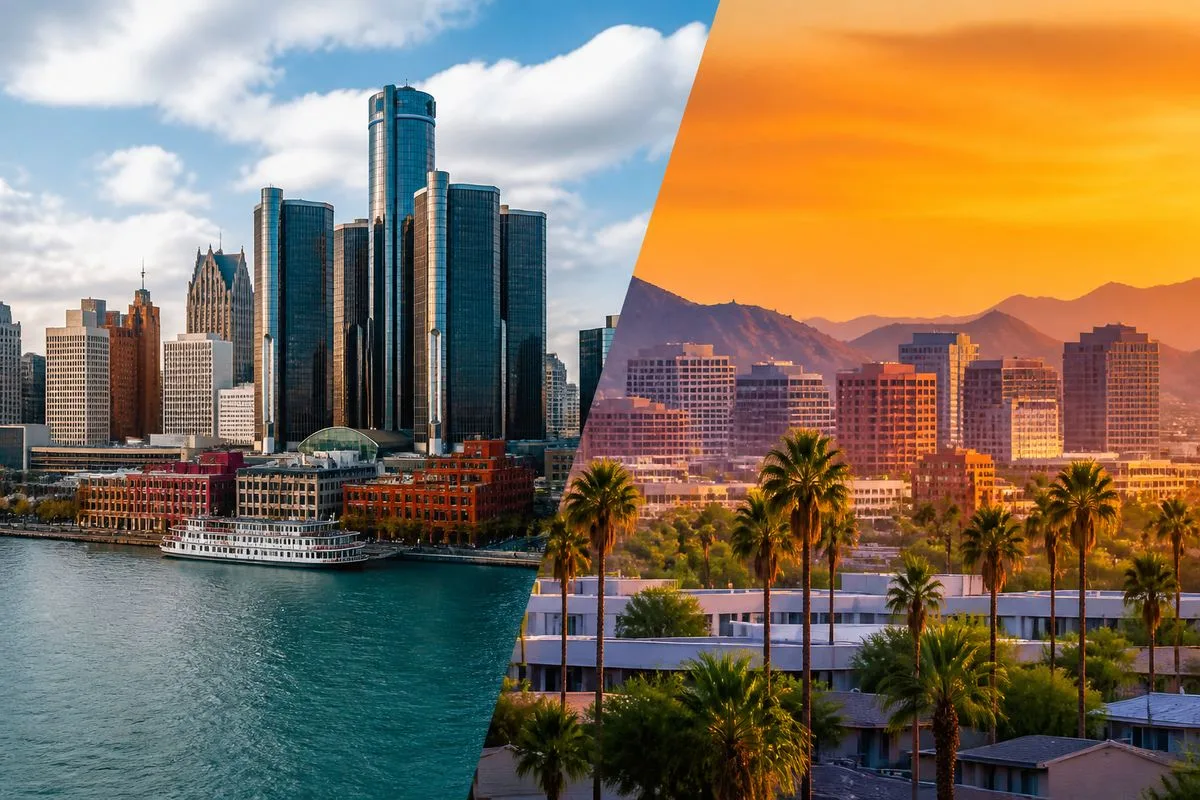
Side Hustle Lounge is suddenly more than a single venue name. In Detroit, it is positioned as a must visit cocktail bar built around craft drinks, elevated plates, and the kind of lounge atmosphere that trades on conversation and energy. In Phoenix, the same Side Hustle name is attached to an on premise outdoor bar supporting live music and private events at the Egyptian Motor Hotel, with catering provided by Chilte. Put those two pieces together and a clear development emerges: the Side Hustle brand is now operating, or at least being marketed, across two distinct hospitality markets in 2026.
That matters because hospitality brands rarely travel well unless they have a point of view. Detroit’s Side Hustle Lounge leans into classic lounge culture and the city’s creative spirit. Phoenix’s Side Hustle, by contrast, is framed as an events led, calendar driven outdoor bar experience tied to a hotel setting. Same name, different operating context. And that is exactly why the story is interesting: it signals a broader playbook for how bar concepts can scale without becoming bland, and how “experience” is increasingly the product, not just the drinks.
There is no announcement in the source material spelling out ownership structures, franchising, or formal corporate links between the Detroit lounge and the Phoenix bar. So it would be wrong to claim a confirmed corporate expansion. But the headlines and descriptions do point to a real world shift: consumers searching for “Side Hustle” now encounter a multi market footprint, and that changes brand perception, search behaviour, and competitive dynamics in both cities.
What is actually happening in 2026, and why it qualifies as a news development
The immediate development is straightforward. Side Hustle Lounge in Detroit, Michigan is being promoted as a destination for craft cocktails and food, with messaging that emphasises a stylish room, a curated menu, and hosting capabilities for everything from birthdays to corporate mixers. The venue’s own positioning is deliberate: “built for those who appreciate a well made drink, good conversation, and a room with energy”. It is not trying to be all things to all people. It is selling a vibe, and it is doing so with confidence.
At the same time, Side Hustle in Phoenix, Arizona is presented as an on premise, outdoor bar connected to the Egyptian Motor Hotel, with a clear emphasis on live music and events. The Phoenix operation explicitly invites corporate and personal events, private or semi private, and directs enquiries to an event team. Catering is handled by Chilte, described as renowned in the source material, which is a meaningful detail because it signals a partnership model rather than a purely in house food programme.
So what is the “news” angle? It is the emergence of Side Hustle as a recognisable hospitality label across two cities with very different nightlife ecosystems. Detroit’s lounge culture and Phoenix’s hotel anchored outdoor bar scene do not usually share the same branding language. Yet here they do. Whether this is a coordinated brand strategy or parallel naming, the effect is similar: Side Hustle becomes a keyword, a concept, and a set of expectations that now travel beyond one postcode.
Inside Side Hustle Lounge Detroit, craft cocktails, elevated plates, and the lounge proposition
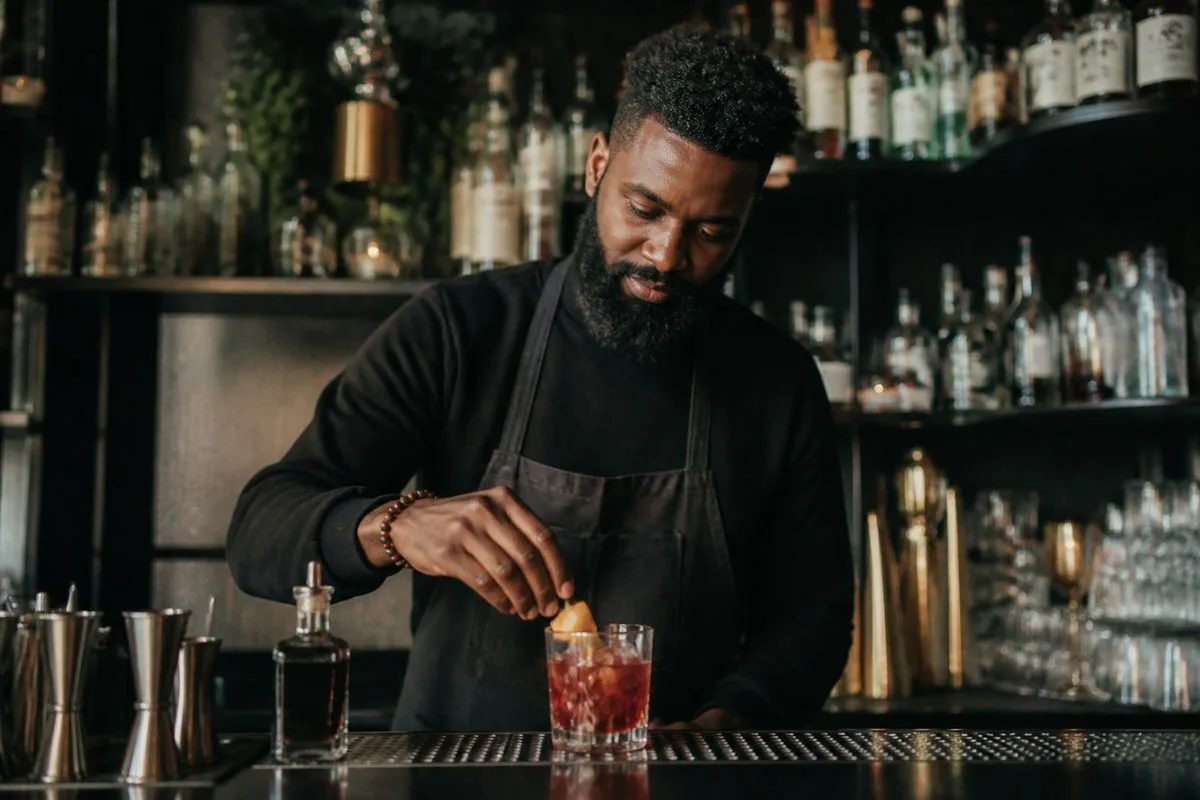
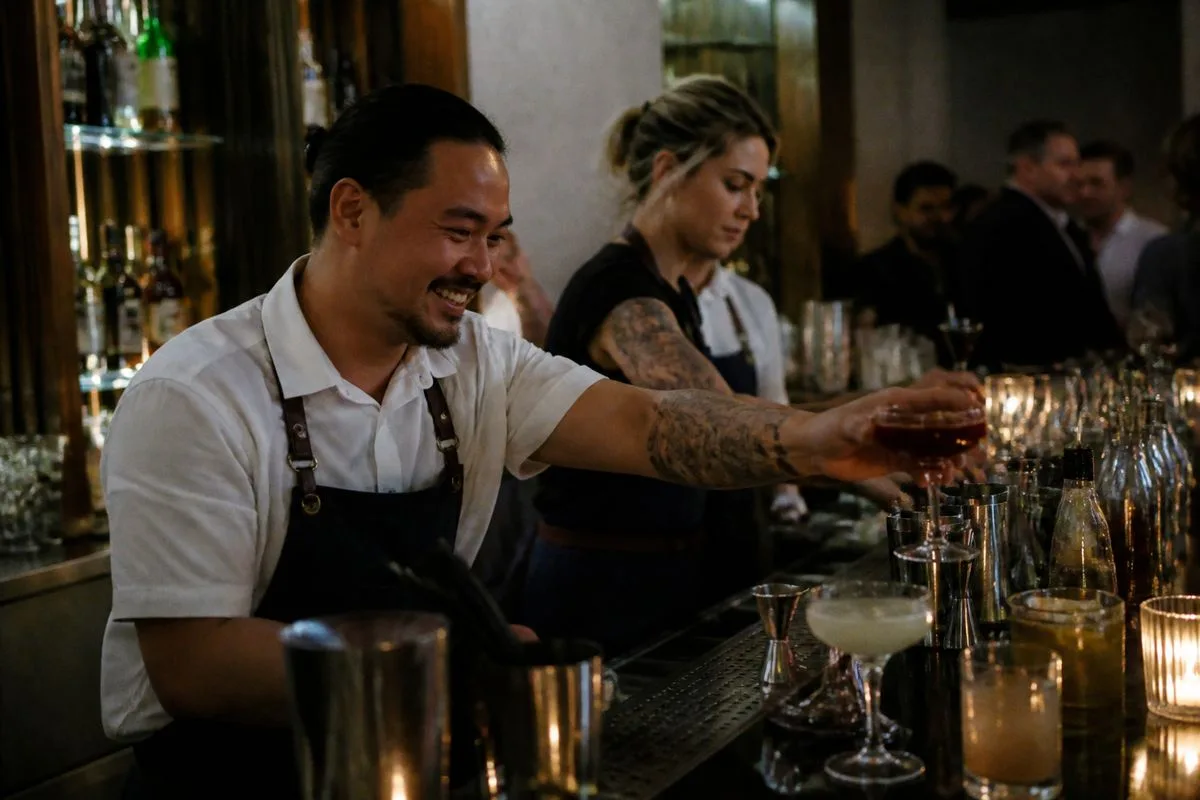
Side Hustle Lounge in Detroit describes itself in the language of classic lounge culture, but with a contemporary edge. The menu is framed as “crafted drinks, elevated plates”, and the promise is that cocktails blend timeless classics with creative twists, all made to order. That “made to order” detail is not trivial. It signals a commitment to proper bartending rather than batch convenience, and it positions the venue in the premium casual tier where guests expect both speed and craft.
Food is not treated as an afterthought. The offering is described as “crave worthy dishes designed for sharing or savoring solo”, which is a very modern way to build dwell time. Sharing plates keep groups ordering. Solo friendly dishes keep the bar approachable for individuals, including the after work crowd. And that matters because the lounge category lives or dies on repeat visits, not one off tourism.
There is also a clear commercial spine to the concept: events. Side Hustle Lounge explicitly markets itself for “birthdays to corporate mixers”, promising a stylish space, craft cocktails, and a curated menu that makes hosting “effortless”. In other words, it is not just selling Friday night. It is selling Tuesday night buyouts, team celebrations, client socials, and the kind of midweek revenue that stabilises a hospitality business when footfall is unpredictable.
Even the social proof is telling, because it is specific. Three named reviewers are quoted: Dee H mentions stopping in for happy hour “a few months back” and praises food, drinks, and service. Rachel C highlights a holiday pop up themed after Elf, calling out the bartender’s humour as part of the experience. Keith S describes staff as fun and says he is looking forward to going back. None of this is hard data, but it does point to a venue that is actively programming seasonal moments and training staff to deliver personality, not just pours.
Side Hustle Phoenix at the Egyptian Motor Hotel, live music, outdoor bar energy, and events
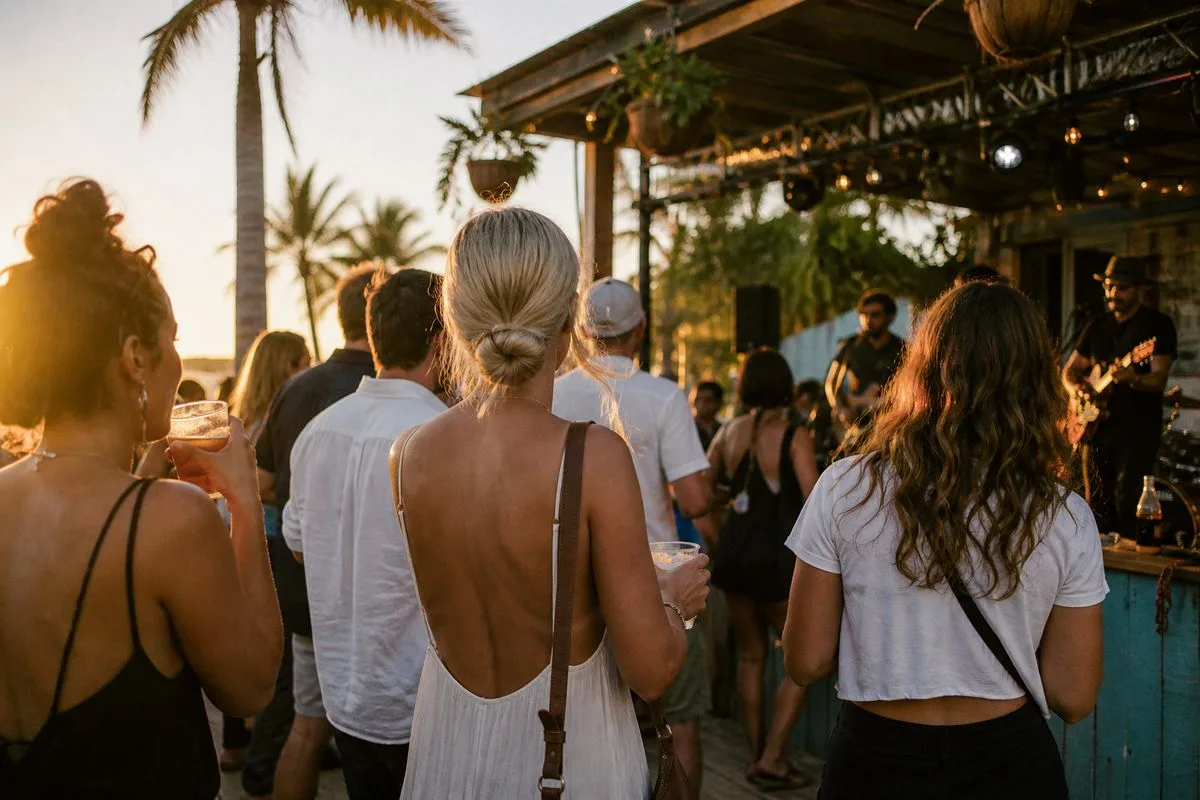
Phoenix’s Side Hustle is presented through a different lens. The emphasis is on live music, an outdoor bar, and an events operation that is ready for corporate or personal bookings. The venue sits within the Egyptian Motor Hotel ecosystem, which immediately changes the customer journey. Hotel footfall, visitor discovery, and event driven demand become central. People do not just “pick a bar”. They attend a gig, book a semi private space, or follow a calendar of upcoming events.
The operational model also looks different because of catering. The source material states that events offer catering by the “renown Chilte”. That implies a partnership with a food brand that already has credibility, rather than building a full kitchen identity under the Side Hustle name. In practice, this is a common and often smart approach: it reduces complexity, improves consistency, and lets the bar focus on beverage, service, and programming.
And the language is unambiguous about intent. The Phoenix team invites people to contact an event team “to get the good times rolling”. It is casual phrasing, sure, but it is also a signal that the business is structured to handle enquiries, manage bookings, and convert interest into revenue. Many bars talk about private hire. Fewer have a clear operational funnel for it. Here, the funnel is front and centre.
What is missing, and it is worth saying out loud, is detail on the drinks list, pricing, capacity, or specific artist line ups. The source material does not provide those figures, so they cannot be invented. But the strategic shape is still clear: Side Hustle Phoenix is an events and entertainment bar concept anchored by a hotel, with food credibility outsourced to a known partner.
How the Side Hustle brand travels, and what that says about modern bar marketing
There is a reason “Side Hustle” works as a name. It is contemporary, slightly cheeky, and instantly legible. It suggests after hours energy, a second life after the day job, and a place where people come to decompress or celebrate. That semantic flexibility is gold in hospitality branding. It can fit a Detroit lounge built on conversation and cocktails. It can also fit a Phoenix outdoor bar built on live music and events. Same phrase, different execution. Fair enough.
But the bigger point is that experience led hospitality is now the default expectation. Detroit’s Side Hustle Lounge leans into atmosphere, staff personality, and seasonal pop ups. Phoenix’s Side Hustle leans into calendars, programming, and event infrastructure. Both are selling a reason to show up that goes beyond “we have drinks”. In 2026, that is not exactly groundbreaking, but it is increasingly non negotiable. Consumers have too many options, and they are more selective about where they spend their nights out.
This is also where digital discovery quietly shapes the market. When a brand name appears in multiple cities, search results, social mentions, and word of mouth start to overlap. That can be a blessing, because it amplifies awareness. It can also be a headache, because it creates confusion about location, concept, and booking. For operators, it raises practical questions: how is the brand protected, how is it differentiated, and how does each venue ensure it captures the right audience rather than losing them to ambiguity?
And there is a competitive angle. A Detroit lounge that positions itself as a premium but approachable cocktail destination is competing with other craft cocktail bars, yes, but also with restaurants that have improved their bar programmes. A Phoenix outdoor bar with live music is competing with music venues, hotel bars, and event spaces. The Side Hustle label, used in both contexts, is effectively a bet that a strong name plus a clear vibe can cut through crowded markets.
Events, private hire, and the new economics of bars in Detroit and Phoenix
Both Side Hustle venues, as described, lean hard into events. Detroit explicitly markets corporate mixers and celebrations. Phoenix explicitly markets corporate and personal events, private or semi private, with an event team ready to engage. That is not a coincidence. It reflects the economics of running bars in 2026, where relying purely on walk in trade is risky, and where predictable revenue streams are prized.
Private hire and semi private bookings do a few things at once. They increase average spend per head, because packages and pre orders reduce friction. They stabilise staffing, because schedules can be built around known demand. And they create marketing content, because events generate photos, stories, and repeatable moments that can be repurposed. In Detroit’s case, the lounge framing makes it a natural fit for corporate mixers where ambience matters. In Phoenix’s case, the outdoor bar and live music angle makes it a natural fit for celebrations that want entertainment baked in.
There is also a subtle operational difference between the two models. Detroit’s Side Hustle Lounge positions food and drink as an integrated experience, “elevated plates” paired with cocktails. Phoenix’s Side Hustle leans on external catering from Chilte, which can make events easier to scale without overextending kitchen operations. Neither approach is inherently better. But they reflect different risk profiles and different paths to consistency.
For the wider industry, the takeaway is blunt: bars that treat events as a side line leave money on the table. Bars that build events into the core proposition, with clear messaging and operational readiness, are better placed to weather seasonal dips and shifting consumer habits. Side Hustle, in both cities, is being marketed as the latter.
From classic lounge culture to hotel courtyard gigs, a quick history of the formats Side Hustle is using
Detroit’s Side Hustle Lounge draws on “classic lounge culture”, which historically means a space designed for lingering. Comfortable seating, a sense of occasion, and a drinks programme that rewards attention. Lounges have long served as social connectors in cities with strong nightlife identities, offering something more intimate than a club and more playful than a formal restaurant. Detroit, with its deep creative heritage, is an obvious place for that kind of concept to resonate, especially when the venue explicitly nods to the city’s spirit.
Phoenix’s Side Hustle sits in a different tradition: the hotel attached bar that doubles as an entertainment and events platform. Hotel bars used to be, frankly, a bit anonymous. But in many markets they have evolved into destination venues, particularly when they offer outdoor space, programming, and partnerships that bring in locals as well as guests. An on premise outdoor bar with live music fits that modern hotel playbook neatly.
What ties these formats together is the shift from product to programming. A great cocktail list is table stakes in many urban markets. The differentiator is what else is happening: pop ups, themed nights, live music, curated menus for groups, and staff who can deliver hospitality with personality. The Detroit reviews calling out a holiday pop up themed after Elf are a small but telling example of this. It is not just a drink. It is a moment.
And there is a broader cultural context too. The phrase “side hustle” itself reflects a world where people juggle work, passion projects, and social lives in tighter windows. Hospitality that understands that rhythm, offering an “after hours” identity and making it easy to drop in or book out, is aligning with how people actually live now.
What to watch next for Side Hustle Lounge and Side Hustle Phoenix
The immediate question is whether the Side Hustle name represents a coordinated brand family or simply two separate businesses using the same label. The source material does not confirm shared ownership, franchising, or management, so any claim either way would be speculation. But from a market perspective, the distinction may not matter as much as operators think. Consumers experience brands through search, social chatter, and recommendations. If the name overlaps, the reputations can start to bleed into each other, for better or worse.

For Side Hustle Lounge in Detroit, the next competitive frontier is likely consistency and programming cadence. The venue already signals seasonal pop ups and a strong service culture. The challenge is sustaining that energy beyond the novelty phase, keeping menus fresh without losing the classics, and continuing to convert first time visitors into regulars. Events, especially corporate mixers, can become a reliable backbone if the venue maintains a polished, predictable delivery.
For Side Hustle in Phoenix, the watch point is calendar quality and operational throughput. Live music and events are only as strong as the pipeline of bookings and the guest experience on busy nights. The partnership with Chilte for catering could be a real advantage here, because it allows the bar to scale food service for events without reinventing the wheel. But it also means coordination has to be tight. Guests do not care who is responsible when something runs late. They just remember the night.
Across both cities, the broader industry lesson is that hospitality brands are increasingly built like media brands. They need a narrative, a schedule, and a reason to return. Side Hustle, as presented in 2026, is leaning into that reality. And if it keeps doing so, it will not just be a bar name. It will be a recognisable format.
Closing thoughts, a shared name, two distinct plays, and a sign of where nightlife is headed
Side Hustle Lounge in Detroit and Side Hustle in Phoenix are being marketed with different emphases, but they share a common thread: both are designed to make nights out feel organised, intentional, and worth leaving the house for. Detroit offers crafted cocktails, elevated plates, and lounge energy built for conversation and celebration. Phoenix offers an outdoor bar, live music, and an events machine supported by catering from Chilte. Different cities, different customer journeys, same underlying bet on experience.
For operators watching from the sidelines, the practical takeaway is not about copying a name. It is about copying the discipline. Build a clear proposition. Make events easy to book and easy to deliver. Give people a reason to talk about the place afterwards, whether that is a themed pop up, a hilarious bartender, or a live set that turns a casual drink into a proper night out.
And for guests, it is simpler. The Side Hustle label, in both Detroit and Phoenix, is being used to signal a certain kind of evening: a bit of style, a bit of energy, and a sense that someone has thought about the details. In 2026, that is what wins. Not just the cocktail. The whole room.