

A good side hustle in 2026 is less about hype, more about fit
In 2026, the phrase good side hustle gets thrown around so much it has almost lost meaning. One person means a quick way to bring in cash this month. Another means a low risk experiment that could become a business. And plenty of people simply mean, “something I can do after work without burning out”. Fair enough. The useful question is not “what is the best side hustle”, it is “what is good for this person, in this season, with this schedule and risk tolerance”.
The latest wave of side hustle guidance in 2026 points in a clear direction. First, there is a renewed push towards real examples and first actions, not vague inspiration. Second, there is a strong emphasis on seasonal demand, especially summer driven services and local selling. Third, online platforms keep maturing, making it easier to start with little or no inventory, and in some cases get paid quickly. The development is not a single dramatic announcement, it is a practical shift in how side hustles are framed: pick a shortlist, take one small step, and validate demand before investing heavily.
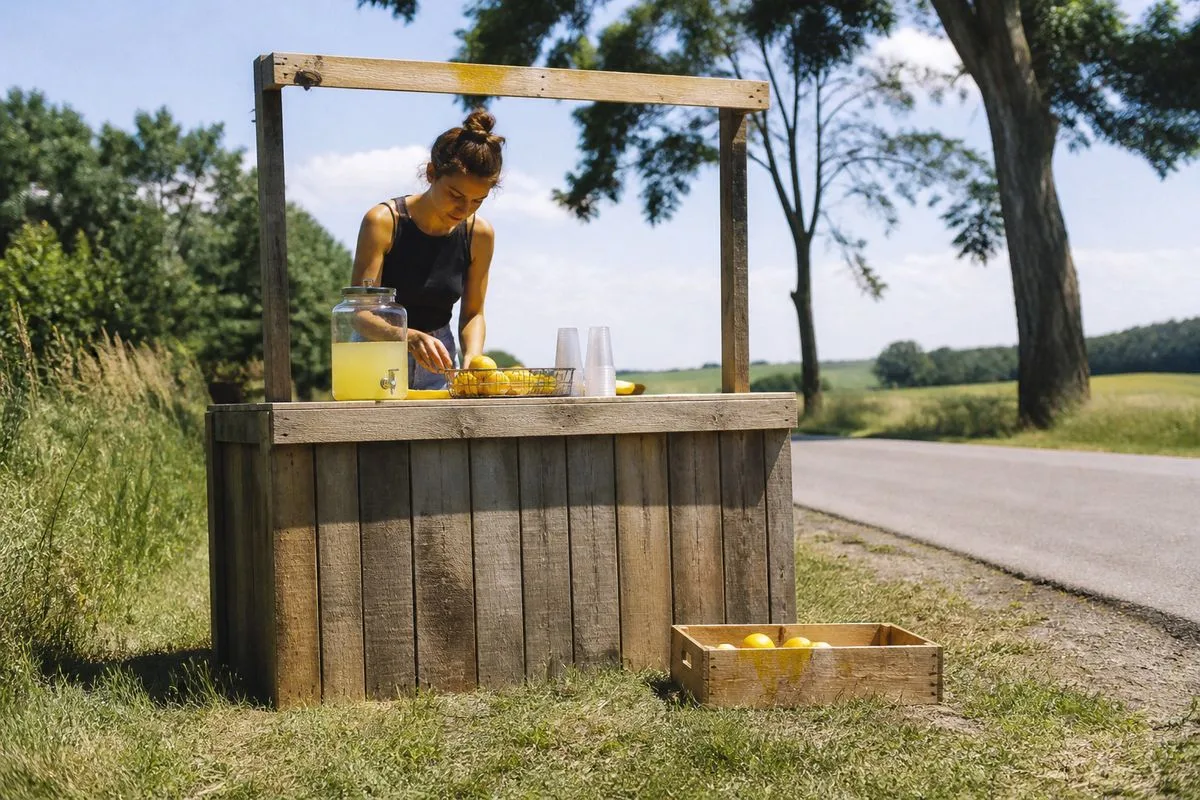
This article pulls together that 2026 picture using three strands of source material: a set of 50 real side hustle examples with “first step” prompts, a guide to summer side hustles built around seasonal demand, and a 2026 focused list of online side hustles that can pay out quickly. The goal is simple. Help readers choose a good side hustle, and actually start.
The 2026 development: side hustle advice becomes more operational, and more seasonal
The most notable change in side hustle coverage in 2026 is the move from broad lists to operational next steps. Instead of “start a side hustle in freelancing”, the guidance increasingly says, “write down the one device task people ask you about most and offer a 30 minute paid lesson”. That kind of specificity matters because it forces a decision, and it forces contact with the market. And contact with the market is where side hustles either become real, or quietly die.
Alongside that, there is a clear seasonal angle. Summer is framed as a particularly fertile period because of longer days, school breaks, travel, festivals, community events, and a spike in home improvement projects. That seasonality is not a cute detail, it is demand. It is why pet sitting surges when people travel, why lawn care and outdoor services become easier to sell, and why local markets and festivals create a ready made retail environment for handmade products.
Online, the development is about lower friction. Print on demand, digital downloads, online tutoring, affiliate marketing, and freelance digital marketing are positioned as reliable starting points that can be run from a laptop or phone. Some models avoid inventory entirely. And one specific figure in the 2026 online side hustle material stands out because it is concrete: a print on demand provider reports a 0.24% reprint rate, which is presented as evidence of production reliability. That does not guarantee anyone’s profits, obviously, but it does signal that the infrastructure is mature enough for ordinary people to build around.
What people really mean when they search “good side hustle”
Search behaviour around “good side hustle” is usually practical, not philosophical. People want options, but they also want a way to choose. The sources point to a few recurring motivations: saving for a holiday, paying down debt, building an emergency fund, or test driving a future business idea. Those goals shape what “good” means. A person trying to cover a short term cash gap will prioritise speed to first payment. A person trying to build a business will prioritise repeatability, differentiation, and a path to growth.
There is also a quiet constraint that rarely gets said out loud: time and energy. A side hustle that looks great on paper can be a terrible fit if it requires constant evening availability, heavy customer service, or upfront spending that creates stress. The better approach, reflected in the “shortlist” style guidance, is to pick up to three ideas, take one small first action for each, and see which one responds. That is not exactly groundbreaking, but it is how real projects start.
From the 2026 online side hustle guidance, there is another key insight: online side hustles tend to fall into three buckets, those that require money, those that require skills, and those that require an audience. A good side hustle is often the one that matches what someone already has. If they have skills, freelancing is a natural lever. If they have an audience, digital products and affiliate marketing can work. If they have neither, service based local work can be the fastest route to cash and confidence.
Good side hustle ideas that work in 2026, with real first steps
Lists are easy. Starting is the hard part. The most useful thing in the “50 real examples” material is that each idea comes with a first step that is small, specific, and testable. That is the difference between a fantasy and a plan. Below are several ideas drawn directly from the source material, with the logic of why they can qualify as a good side hustle in 2026.
Teach people how to use their smart devices
Tech support for ordinary people remains a quietly strong opportunity because new Apple and Android products keep arriving, and plenty of users feel left behind. The suggested model is not “be a general tech tutor”, it is a focused lesson that helps someone complete a specific task. That focus is what makes it sellable. People do not want “tech lessons”, they want “help setting up my new phone” or “how to back up photos properly”.

The first step is refreshingly direct: write down the one device task people ask about most and offer a 30 minute paid lesson. In practice, that first customer often comes from existing relationships, neighbours, or local community groups. And once a person has delivered a few sessions, they can package the most common tasks into a repeatable service menu.
Sell CV and cover letter templates, then upsell coaching
Template selling is a classic digital product play: create once, sell repeatedly. The source material suggests building templates and selling them on a marketplace, with a smart add on: optional coaching and tiered packages. That is a meaningful detail because it creates two revenue layers, passive template sales and higher value service work.
The first step is to make one template for a specific role and ask three job seekers where they would look for it. That question matters because distribution is the real challenge. If the answer is “I would search a marketplace”, that supports the template model. If the answer is “I would ask my network”, that points towards a service led approach instead.
Rent out your car through a car sharing platform
Asset rental can be a good side hustle when the asset already exists and is underused. The example given is listing a car through a car sharing service, with a practical tactic: start at a low price for the first few rentals, then raise it once reviews are strong. Reviews, not clever marketing, are the trust engine here.
The first step is risk management: confirm one vehicle, the insurance requirements, and one rental channel before committing. That is the right order. People often jump to earnings projections without checking the operational constraints, and that is how “easy money” turns into a headache.
Put art on phone cases using a print platform
For creatives, productising artwork can be more scalable than taking commissions. The example uses a platform that handles production and fulfilment, paying the creator a commission when customers purchase. This is a low friction way to test whether an audience will pay for a particular style.
The first step is market validation, not design perfection: pick one illustration, mock it up on a case, and ask five people who know the work what they would buy. It is a small sample, but it forces clarity. If nobody wants it, better to learn that in a day than after weeks of work.
Become a niche photographer rather than a generalist
Photography is often presented as saturated, but the source material makes a sensible point: niche positioning beats being an all purpose photographer. Cosplay, pin up, sports, events, these are examples where clients want someone who understands the culture and the shots that matter.
The first step is portfolio building with intent: choose one niche, publish three sample shoots, and invite one potential client to a paid test session. The paid test session is important. It sets expectations early that this is a business, not a hobby.
Summer demand makes a good side hustle easier to sell, if the offer is concrete
Seasonality is not just about weather, it is about behaviour. In summer, people travel more, attend festivals and community events, and tackle home improvement projects. That creates a predictable lift in demand for certain services. The summer side hustle guidance lists several: lawn care and landscaping, pet sitting and dog walking, tutoring and summer learning programmes, handmade products and crafts, freelance creative services, and delivery or rideshare work.
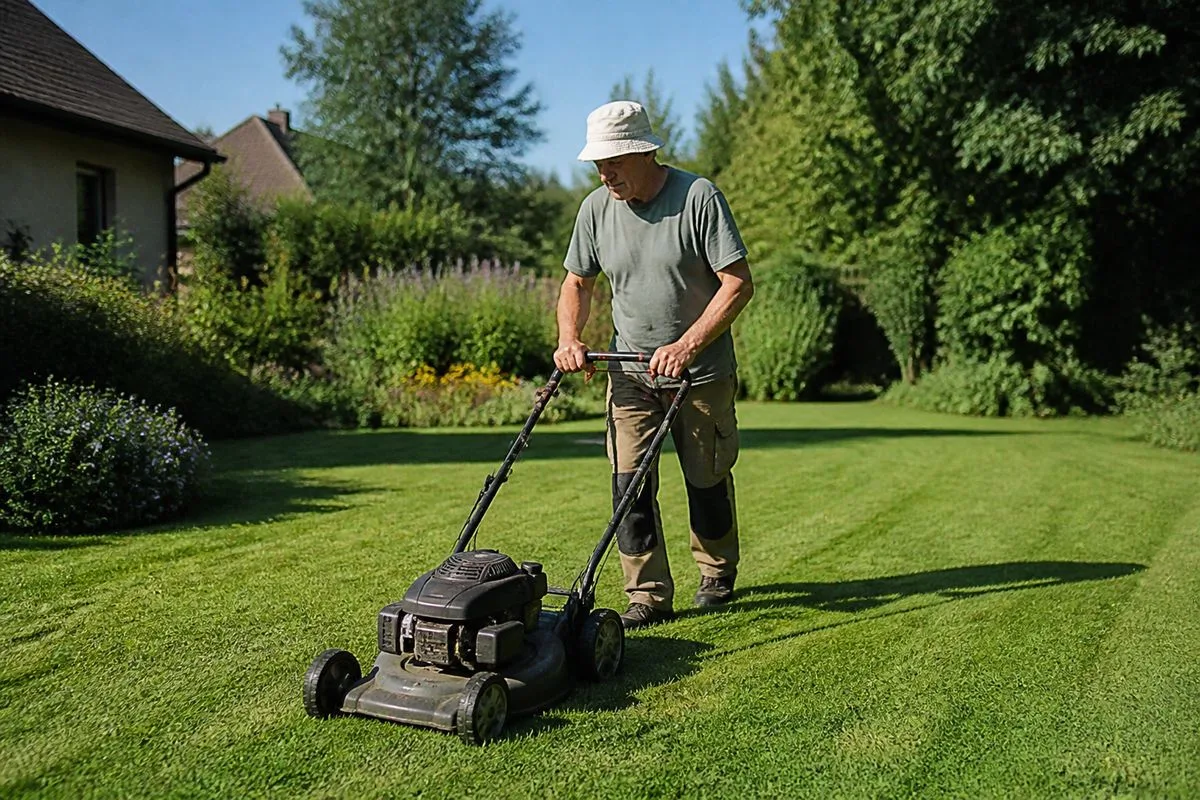
The key is that summer demand rewards simple offers. “Lawn care” is vague. “Fortnightly mowing and edging for eight weeks” is a product. “Pet sitting” is vague. “Daily drop in visits while you are away, with photo updates” is a product. People buy clarity because it reduces their mental load. And in summer, mental load is often the problem, families are juggling holidays, childcare, and a calendar full of events.
There is also a growth angle baked into summer. Community events and local markets create a physical place to test products, pricing, and messaging quickly. A maker selling handmade goods can learn more in one weekend market than in months of guessing online. And service providers can build referral loops fast, neighbours talk, local groups share recommendations, and seasonal urgency pushes people to decide.
Online side hustles in 2026: low inventory models mature, but traffic is the real job
Online side hustles are often sold as “work from anywhere” freedom. That is true, but incomplete. The 2026 online side hustle guidance is more honest about what actually drives results: platforms handle fulfilment, but the seller still needs a niche, an offer, and a way to get attention. In other words, the work shifts from logistics to marketing.
Print on demand is a good example. The model is straightforward: upload a design, a partner prints and ships when an order comes in, and the seller sets the retail price, keeping the margin above fulfilment cost. The source material includes a specific operational metric, a 0.24% reprint rate, used to signal production reliability. That matters because reliability reduces customer service issues, refunds, and reputational damage. But it does not solve the hard part, demand generation.
The same pattern shows up in digital products. Create once, sell repeatedly, potentially building passive income. But the guidance is clear that the product must be built around a problem the creator has solved, and it should be shown in use rather than merely described. That is a subtle but important point. People do not buy a spreadsheet because it is a spreadsheet. They buy it because it saves time, reduces stress, or keeps them organised.
And then there is dropshipping, positioned as quick to set up because there is no inventory to manage. The trade off is differentiation. If the products are not custom, branding and marketing do the heavy lifting, and competition can be brutal. The practical advice is to order from suppliers personally to verify delivery times, and to write original product descriptions rather than copying supplier text. That is not glamorous, but it is how trust is built.
How to choose a good side hustle, using a shortlist and a simple test
The most effective decision framework across the source material is the simplest one: shortlist a few options, then take a small first action for each. The “50 examples” approach explicitly encourages choosing up to three ideas and completing one first step per idea. That structure prevents the two common failure modes, endless browsing and over commitment to an untested idea.

Selection should start with constraints, not dreams. The summer side hustle guidance suggests asking: what activities are enjoyable, what skills already exist, how much time is realistic, what start up costs are involved, and what the financial goals are. A good side hustle typically sits at the intersection of what someone is good at, what they enjoy, and what people will pay for. That intersection is not always obvious, which is why the first step should involve talking to potential customers, not just thinking.
In 2026, it also helps to be explicit about which “bucket” the side hustle sits in. If it is skill based, like freelance writing, graphic design, or social media management, the fastest path is often packaging a service and building a small portfolio. If it is audience based, like affiliate marketing or content led sales, the path is slower but can compound. If it is asset based, like renting a car, the path depends on operational rules and risk. Different buckets, different timelines, different stress profiles.
A practical test can be run in a single week. Day one, write a one sentence offer and identify who it is for. Day two, speak to three potential buyers or users, even informally. Day three, create a minimum viable version, a template, a one page service menu, a simple product listing, or three portfolio samples. Days four and five, ask for a paid trial. Not a “let me know what you think”, but a real transaction, even if discounted. If money changes hands, the idea has legs. If it does not, the feedback is still valuable, it tells the creator what to adjust.
When a good side hustle becomes a business, and what changes operationally
Side hustles often start as weekend projects, hobbies, or a way to make extra cash. But the summer side hustle guidance is clear on the signs that something is shifting into a business: consistent customers, predictable income, repeat clients or referrals, increasing demand, and reinvestment into growth. Those are operational signals, not vibes. And once they appear, the side hustle needs different habits.
One change is planning. Not a lengthy document, but a simple business plan that answers basic questions: what is being offered, who the target customer is, how marketing will work, what monthly expenses look like, and what income goals are. This matters because side hustles fail in the messy middle, when demand exists but delivery is inconsistent, pricing is unclear, and costs creep up unnoticed.
Another change is financial separation. The guidance recommends separating personal and business finances to keep income and expenses organised, making budgeting, tax preparation, and planning easier. It is not glamorous, but it is the difference between “a bit of extra money” and “a business that can be managed”. And management is what enables growth, hiring help, increasing prices, or expanding into new products.
There is also a mindset shift around repeatability. A good side hustle can be a one off gig. A business needs systems. The device tutoring example becomes a set of standard lessons. The CV template seller builds a product line and a coaching funnel. The niche photographer develops a repeatable client journey from enquiry to shoot to delivery. That is where stability comes from, and stability is what most people are actually chasing.
The non-obvious reality in 2026: the best side hustles are boringly specific
Here is the part that does not get enough airtime. In 2026, the side hustles that tend to work are not the ones with the flashiest branding or the loudest claims. They are the ones that are boringly specific. A general promise like “make money online” is too abstract to act on. A specific offer like “30 minute lesson to set up your new smartphone and secure your photos” is easy to buy and easy to deliver.
The sources, taken together, point to a practical truth: side hustles succeed when they reduce friction for the buyer. Summer services do that by solving time pressure. Digital products do that by saving time or organising chaos. Print on demand does that by letting a niche audience buy identity and humour on a t shirt, without the creator running a warehouse. Even reselling and flipping, mentioned in the summer guidance, works best when the seller specialises and learns what moves, rather than randomly listing items and hoping.
And there is a second truth that is easy to ignore. Platforms are not a strategy. They are plumbing. A print on demand partner can handle production. A marketplace can handle transactions. But the creator still needs positioning, pricing, and a basic marketing engine. That engine can be as simple as referrals and community groups for local services, or as structured as SEO led product listings for online sales. Either way, the work is in the message and the consistency.
Closing thoughts: a good side hustle starts with one small action, not a grand plan
In 2026, the most useful side hustle advice is the least dramatic. Choose a shortlist. Take the first step. Talk to real people. Ask for a paid trial. Then adjust. The sources used here repeatedly steer away from big upfront investments and towards small, testable actions, whether that is calling a local visitor service to learn what baby gear travellers request most, offering a 30 minute paid device lesson, or building one role specific CV template and validating where job seekers would look for it.
A good side hustle is not a universal list. It is a match between a person’s skills, schedule, and appetite for risk, and a market’s willingness to pay. Summer demand can make that match easier for local services and selling. Online platforms can make it easier for digital products and print on demand. But the deciding factor is still execution, and execution starts small. Do the first step this week. That is the whole game.