
Hong Kong Open 2026, two very different stories, and why fans should care
The hong kong open is doing what good tournaments do, it is giving tennis a clear set of choices to think about. Not just who wins the trophy, but what kind of week it is for the players who arrive with something to prove. In 2026, the early headlines are dominated by two threads that could not feel more different: Katie Boulter grinding through a match that briefly slips out of her control, and Venus Williams absorbing another first round loss while openly hinting she may not come back next year.
For anyone searching “hong kong open”, the practical question is simple: what is happening at the tournament right now, and what does it tell us about the state of the women’s game? This piece tackles that by treating the week as a comparison guide. On one side is Boulter’s route, a modern top 50 player trying to turn strong patches into a consistent late season run. On the other is Williams, a seven time Grand Slam singles champion, now ranked 597th and relying on wildcards, facing the blunt reality of results.
And yes, it matters beyond the gossip. These two storylines speak to the sport’s pressure points: officiating and on court composure, the thin margins at the end of a long season, and the uncomfortable question of when a legend’s presence stops being inspiring and starts being, well, a bit sad to watch.
What follows is a structured, side by side look at the key developments from 2 November 2026 onwards, what is known from the reporting, and what it means for the tournament and the wider tour.
Hong Kong Open match momentum: Boulter’s escape act vs Williams’ straight sets exit
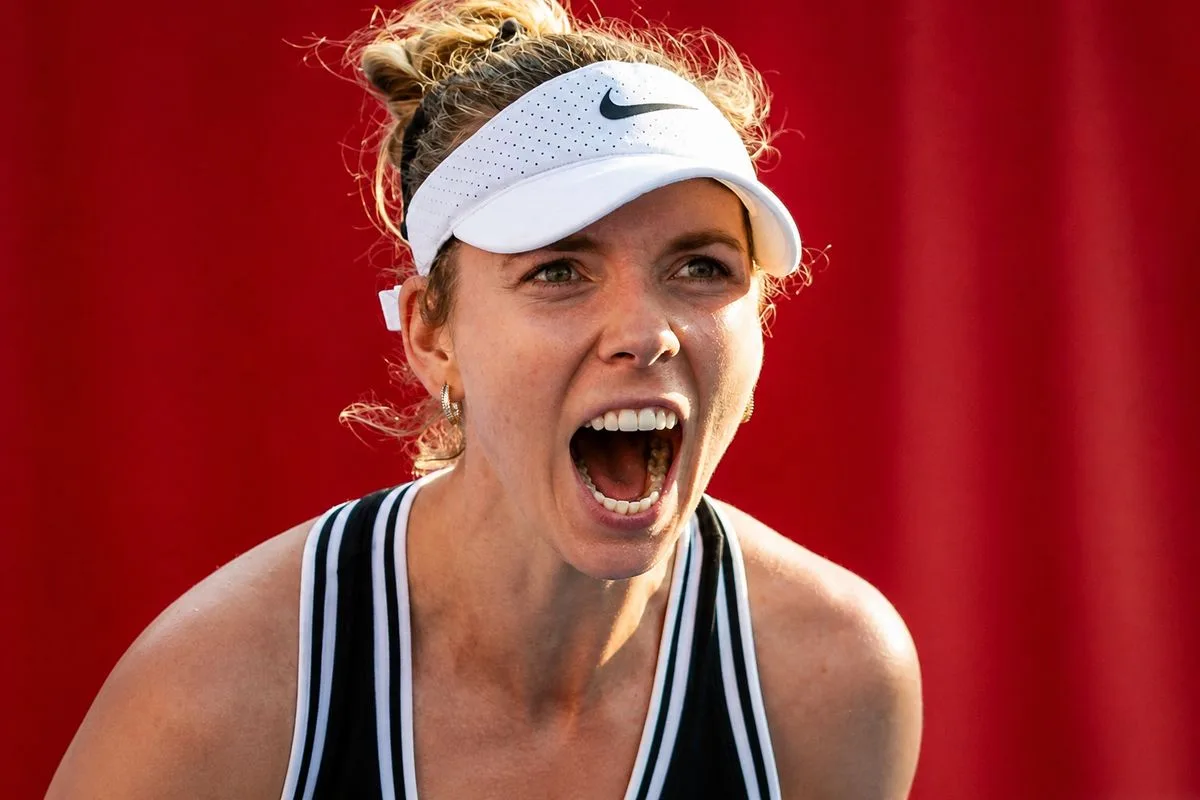
Boulter’s headline moment comes in the round that takes her into the last 16. Against Viktorija Golubic, she looks in control, then suddenly does not. The British number one wins the first set 6-2 and reaches 5-2 in the second set while serving for the match. Then the match turns awkward. Golubic breaks, and Boulter complains to the umpire after a point is not replayed despite an audible noise from outside that she says distracts her.
The key detail is not the noise itself, it is what happens next. Boulter, unsettled, loses another service game. A match that should be routine becomes a test of nerve. She still gets it done, winning 7-6 via a tie break (7-2) to close out 6-2 7-6 (7-2). Afterwards she calls it a “lesson learned”, saying the judgement “got under my skin” and that she is “a little tired” at the end of the season. That is honest, and it is revealing.
Williams’ story is starker. She loses in the first round to Mary Stoiana, a 23 year old compatriot ranked 113th, in straight sets 6-2 6-3. The BBC notes it is her 17th consecutive singles defeat, and that she has not won a singles match since July 2025. The South China Morning Post adds a telling line: Williams says, “I haven’t made any plans for next year, but I didn’t make plans this year either.” It is not a retirement announcement, but it is not nothing either.
Put the two together and the contrast is sharp. Boulter is irritated, wobbles, then reasserts control. Williams does not get close enough to wobble, she simply cannot generate the pressure required. The SCMP reports she drops serve four times and does not create one break point. That last detail is brutal, because it suggests the match is not decided by a couple of tight moments. It is decided by a gap in baseline effectiveness.
Hong Kong Open 2026 player profiles: the contender building, and the icon fading
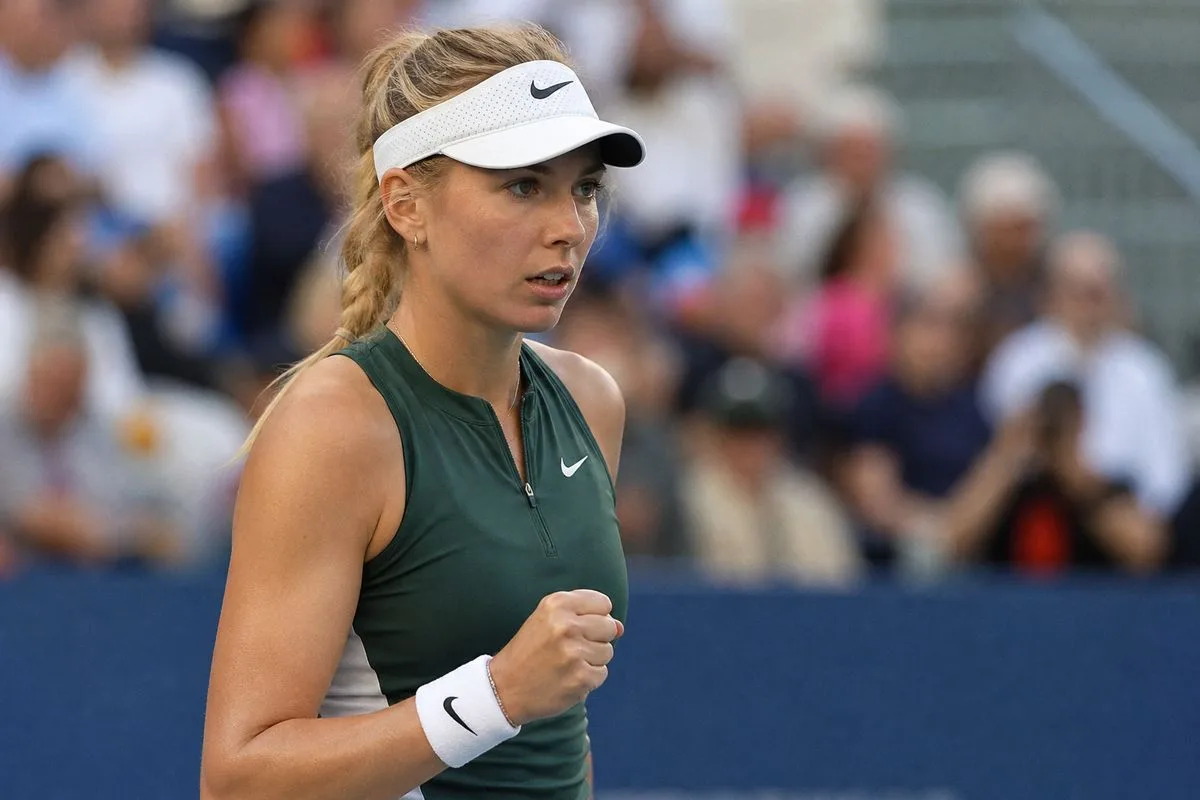
Boulter arrives in Hong Kong with recent evidence that her level can travel. The BBC points out she beat Golubic in dominant fashion when reaching the semi finals at the Japan Open last month, where Golubic is listed as world number 89 in that context. In Hong Kong, Boulter is described as world number 49. Rankings move, and late season results can swing quickly, but the broad point holds: Boulter is operating in that tier where a good week can become a seed, and a seed can become a deep run.
There is also a bit of unfinished business here. Boulter is the losing finalist at the Hong Kong Open in 2024. That matters psychologically. Players remember venues where they came close, and Hong Kong is the kind of stop where confidence can snowball. She now plays Claire Liu next, an American opponent who will not care about any of that narrative. But Boulter’s job is clear: keep her level high enough that the drama stays external, not internal.
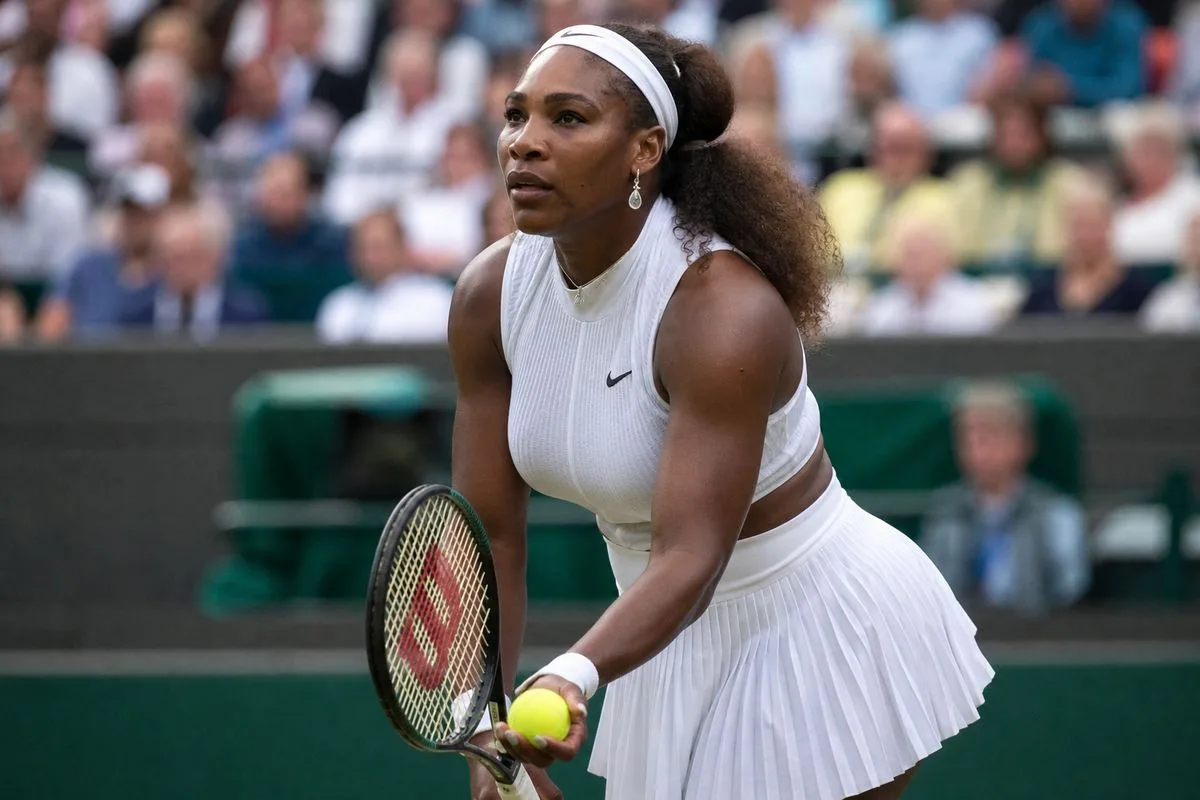
Williams, meanwhile, is living in a different competitive universe. She is 46, ranked 597th, and the BBC notes she relies on wildcards to enter WTA tournaments. The SCMP describes her as “a shadow of the player” from her peak. That is loaded language, but the match stats included back it up: four service breaks conceded, and no break points created. At that point, the conversation shifts from tactics to viability.
And yet, it is not just about whether she can win matches. It is about what her presence does to a tournament like the Hong Kong Open. A Venus Williams first round match still draws attention, still sells tickets, still creates a moment. But sport is not theatre. If the results keep going one way, the story turns from celebration to discomfort. That is the tightrope for organisers, and for Williams herself.
Pressure points compared: composure, officiating friction, and the end of season grind
Boulter’s match is a neat case study in how quickly a player’s emotional temperature can change. One disputed decision, one refusal to replay a point after an outside noise, and suddenly the mind is louder than the ball. She says she is usually good at “batting it off” but does not manage it immediately this time. That is not a character flaw, it is the end of a long year. Players talk constantly about physical fatigue, but mental fatigue is the sneaky one. It turns minor irritations into major distractions.
What is interesting is that Boulter still wins, and she wins cleanly in the tie break. A 7-2 tie break is not a coin flip. It suggests that once she resets, her tennis is simply better. That is the difference between a top 50 player having a wobble and a player who is genuinely out of form. The wobble is a moment. The out of form player cannot find the moment to turn it around.
Williams’ loss, by contrast, reads like a match where the pressure never transfers to the opponent. No break points created means Stoiana serves without that creeping fear that tends to hit inexperienced players when they sense a famous name across the net. And that is the thing, Stoiana is ranked 113th, not a top 10 star. If Williams cannot manufacture even a few games where the opponent feels squeezed, it is hard to see where the next win comes from.
There is also a wider officiating angle here. Boulter’s complaint is about whether a point should be replayed due to an external distraction. The reporting does not specify the exact noise or the umpire’s reasoning, so it is not possible to judge the decision itself. But the episode highlights a recurring tension in tennis: players want consistency and protection from disruption, officials want flow and clear thresholds. The sport still struggles to make those moments feel fair to everyone watching.
What these Hong Kong Open storylines mean for the WTA ecosystem
At tournament level, Boulter’s progress is good news. A British number one making the last 16 gives the event a narrative that is about competition, not nostalgia. She is also a player with a recent Hong Kong history, losing finalist in 2024, which makes her run easier to frame for fans. And crucially, she is not just scraping by. Even with the wobble, she wins in straight sets.
Williams’ presence is more complicated. On the one hand, a legend in the draw brings attention. On the other, a 17 match singles losing streak is not a storyline that helps the sport look healthy. The BBC states she has not won since July 2025. That is a long time in tennis, where careers can rise and fall in a single season. The SCMP notes her Hong Kong loss ends her 2026 singles campaign. That phrasing matters. It suggests a closing chapter, even if nobody is saying it outright.
For the WTA as a product, this is the tension between star power and competitive integrity. Wildcards exist for a reason, to reward past achievement, to boost events, to create moments. Fair enough. But if the wildcard becomes a predictable first round exit, it starts to feel like a ceremonial slot rather than a competitive one. That can be fine once or twice. As a pattern, it becomes awkward.
And then there is the generational signal. Stoiana is 23. Williams is 46. The age gap is 23 years, and the match score is straightforward. That is not a moral judgement, it is just the sport doing what sport does. The next generation does not wait politely. It takes what is available.
Hong Kong Open 2026 at a glance: Boulter vs Williams comparison table
To make the contrast clearer, here is a side by side snapshot using only details reported in the source material. It is not a complete statistical profile, because the reporting does not include serve speeds, winners, unforced errors, or rally metrics. But it is enough to show the shape of the week so far.
| Category | Katie Boulter | Venus Williams |
|---|---|---|
| Hong Kong Open round | Reaches last 16 | Loses in first round |
| Opponent | Viktorija Golubic | Mary Stoiana |
| Score | 6-2 7-6 (7-2) | 6-2 6-3 (loss) |
| Key moment | Umpire dispute after outside noise, loses two service games late | Drops serve four times, creates zero break points (per SCMP) |
| Ranking detail in reporting | World No 49 | World No 597 |
| Next step | Plays Claire Liu | Says no plans for next year, 2026 singles campaign ends |
The table makes one thing obvious. Boulter’s story is about managing moments. Williams’ story is about whether the moments exist at all.
And for the Hong Kong Open as an event, that difference shapes the tone of the week. Competitive tension is what keeps people watching day to day. Legacy is what gets people through the gates. The best tournaments have both, but they need the balance to feel right.
Pros and cons: backing Boulter’s run vs tuning in for Venus’ farewell watch
Not everyone watches the Hong Kong Open for the same reason. Some want the best chance of seeing high level tennis deep into the week. Others want to witness a potential final chapter for one of the sport’s biggest names. Here is the trade off, laid out plainly.
Option A: Follow Katie Boulter’s campaign closely
- Pros: She is winning matches, and the level is high enough to survive a wobble. The 6-2 first set against Golubic shows control.
- Pros: There is a clear narrative arc, losing finalist in 2024, now trying to go one better in 2026.
- Pros: The next round is defined, she plays Claire Liu, so fans can track a straightforward path.
- Cons: The incident shows how quickly frustration can creep in when tired. Against stronger opponents, that kind of dip can be fatal.
- Cons: The reporting does not indicate she is dominating the field, only that she is navigating it. That can mean more tight sets to come.
Option B: Focus on Venus Williams’ situation and what comes next
- Pros: It is genuinely significant whenever a seven time Grand Slam singles champion speaks publicly about uncertainty. Her quote about not making plans for next year is a real signal.
- Pros: The Hong Kong Open becomes a lens on how the tour handles legends, wildcards, and the line between celebration and competitiveness.
- Cons: The tennis, at least in this match, is one sided. A 6-2 6-3 loss with no break points created is not a thriller.
- Cons: There is no confirmed retirement plan. Fans can end up stuck in limbo, reading tea leaves rather than watching a defined farewell.
Neither option is “right”. But they are different experiences. One is sport first. The other is history first. And the Hong Kong Open is hosting both at the same time, which is why it is getting attention.
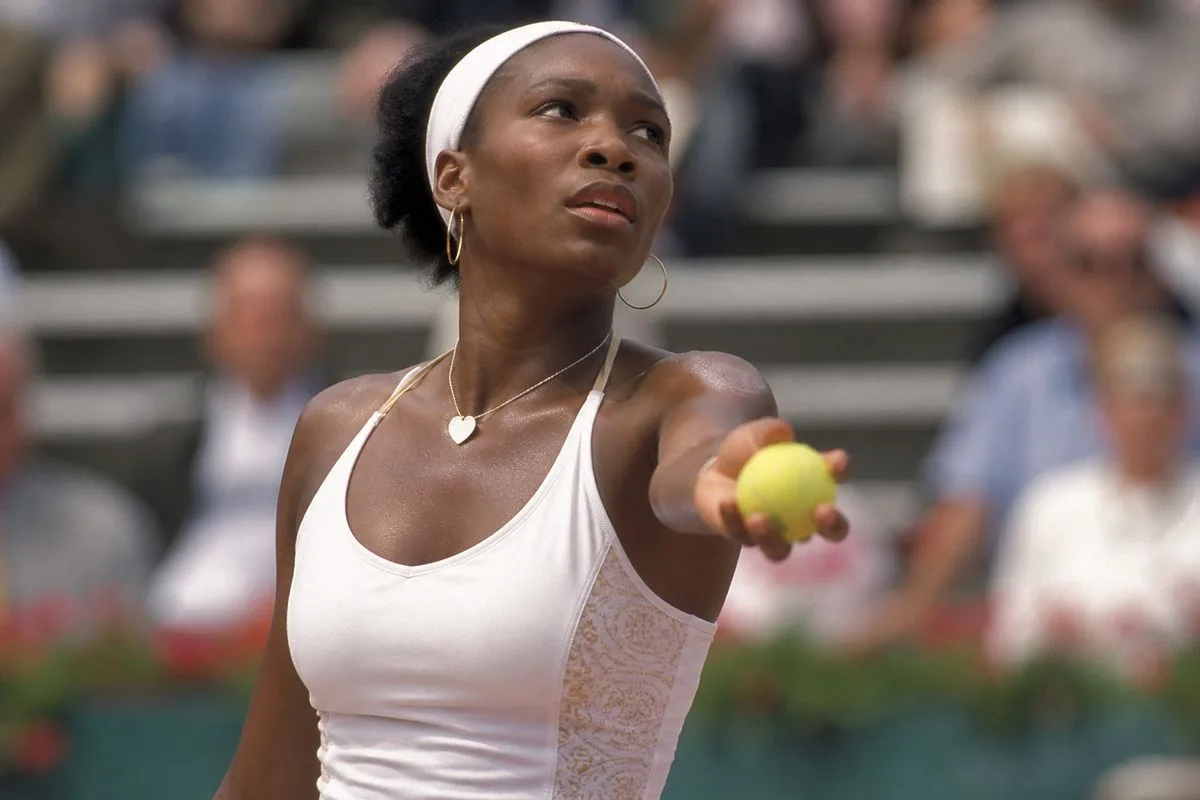
There is also a third, quieter point. Boulter’s match shows the tour’s present, the constant negotiation with pressure, noise, officiating, fatigue. Williams’ match shows the tour’s past colliding with its present. That collision is not always comfortable, but it is honest.
The Verdict: what to prioritise at the Hong Kong Open, depending on what you want
For viewers who want the best read on where the hong kong open is heading competitively, Katie Boulter is the clearer bet to follow. She is already into the last 16, she has a defined next opponent in Claire Liu, and she is dealing with the kind of mid match turbulence that separates good players from reliable ones. The fact she calls it a “lesson learned” is not just a nice quote, it is the mindset of someone still building. She expects to be better next time. That is how progress looks in real life, messy, then corrected.
For viewers drawn to the bigger, more emotional question, Venus Williams remains the headline, even in defeat. A 17 match singles losing streak, a winless run dating back to July 2025, and a candid admission that she has not made plans for next year, that is a crossroads, whether she labels it that way or not. The Hong Kong Open, in this sense, is not just a tournament stop. It is a stage where the sport’s relationship with its icons is being tested in public.
If this article has to land on a recommendation, it is this: watch Boulter for the tennis, watch Williams for the meaning. And if forced to pick one priority, pick Boulter. Not because Williams is not important, she is. But because the Hong Kong Open in 2026 is at its best when it is about matches that can still swing, not legacies that can only fade.
Closing thoughts: what happens next, and what this week says about tennis right now
The immediate next step is straightforward on paper. Boulter moves on to face Claire Liu. The reporting does not offer a preview of that match up, so it would be wrong to pretend there is a tactical certainty. But the theme is already set: Boulter needs to keep her emotional baseline steady, especially when the environment gets noisy, literally or figuratively. Hong Kong crowds can be lively, venues can be tight, and distractions happen. The players who treat that as background tend to last longer.
Williams, for now, leaves the tournament with questions hanging in the air. The SCMP quote is careful, almost evasive, but it is also revealing. No plans for next year. No plans this year either. That is a player living season to season, possibly match to match. The BBC notes she relies on wildcards, which means her schedule is partly in other people’s hands. That is a strange place for a champion to be, and it adds to the sense that change is coming, even if nobody knows what form it takes.
Zoom out and the Hong Kong Open is doing its job. It is producing tension, conversation, and a snapshot of the tour’s present reality. Some players are fighting for momentum at the end of the year. Others are fighting time. And the sport, as ever, does not pause for sentiment. It just keeps serving the next ball.
That is why this week matters. Not because one umpiring call annoys a player, or because a legend loses again. But because both moments, in their own way, show what professional tennis actually is: a constant test of control, over the ball, over the mind, and over the story people tell about you when the match is done.